• Link to X
  • Link to Youtube
  • Link to Instagram
  • Link to Mail
  • Link to Facebook
Join the community and receive a free EBOOK
Treading My Own Path | Less waste, less stuff, sustainable living
  • ⌂
  • About
  • Work with me
  • Upcoming events
  • Books
    • The Less Waste No Fuss Kitchen
    • Less Stuff
  • Resources
    • Printables
    • Infographics
    • Quotes and facts
  • Explore
    • Minimalism
    • Plastic-free living
    • Real Food and Recipes
    • Zero Waste
  • Blog
  • Click to open the search input field Click to open the search input field Search
  • Menu Menu

One man’s trash is another man’s treasure

15 Comments/in Living With Less Waste/by Lindsay (Treading My Own Path)

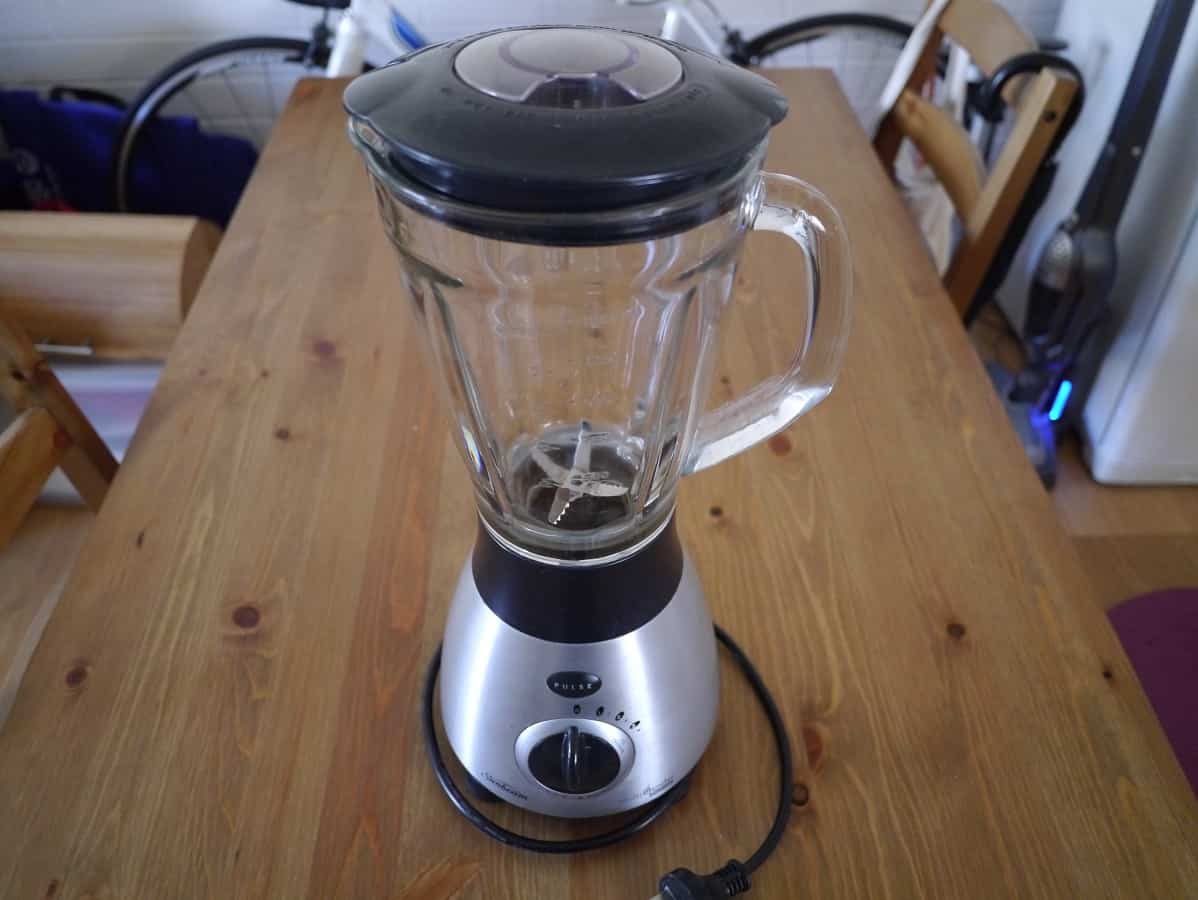
I sold my glass jug blender today on Gumtree. Not exactly front page news, I know, but bear with me.

When I got my new kitchen robot I listed my Magimix food processor and my jug blender on Gumtree straightaway. The Magimix sold almost instantly for the money I asked; they are solid gadgets with fantastic motors and I knew it would be easy. I did not have such optimism for the blender. It’s not a bad blender and it still works, but it wasn’t a great brand, it didn’t have a massive motor and it was a few years old. There was only one other same-model Magimix on Gumtree when I listed mine; there were hundreds of blenders.

I listed it anyway, and after a week, rather unexpectedly, I got a call. Someone wanted to buy it, and offered $20. Rather amazed that I’d even got the call in the first place I agreed (I’d listed it for $30).

When the guy turned up, he explained that he had the same blender and the glass jug had fallen off the kitchen bench and smashed. He’d called the manufacturer who’d told him the price of a new jug…and the price of a new blender. Guess which one was cheaper? Yep, the whole unit. They actually advised him on the phone to just order a whole new unit. But rather than buy a new one, he’d checked on Gumtree first, and there was mine.

It makes me so mad that companies do that deliberately. One bit breaks and you have to replace the whole thing. It’s so incredibly wasteful. Of course it doesn’t make sense that a whole unit would be cheaper than its parts. Yet it always seems to be that way. I feel like they’re trying to condition us to never try to repair things or replace parts, but mindlessly buy new ones instead.

We don’t have to stand for that! That’s why sites like Gumtree and eBay are so useful. They give all the people who need replacement parts access to loads of people who have replacement parts. We don’t have to let these companies have their way!

If I’d have sent that blender to the charity shop, there’s a chance it would have gone to landfill anyway. Not all charity shops accept electrical goods, and they also need to be able to test them for electrical safety. Plus I sometimes feel that sending stuff to the charity shops is shirking our responsibility a little bit. It’s too easy to dump our unwanted stuff and feel good about giving to charity when there’s no guarantee they’ll actually want what we’ve given them. This way I can be sure that the item I’m selling has gone on to a new home where it will be used.

People sometimes think I’m crazy for listing things on Gumtree for such small amounts of money. (I have listed things on there for free, but the lowest price I’ve listed something for was 50 cents – and it got a buyer!) But it’s not about the money. It’s about diverting something from landfill and stopping somebody else buying something brand new when there’s a suitable second-hand alternative. Double win! The argument that you haven’t got the time? Seriously?! You need to take a photo, upload it and write a short description. You can do it from your mobile phone in about 1 minute. Not exactly labour intensive!

I’m feeling pretty smug that I thwarted the electronic company’s attempt to get a new sale, pleased that I was able to give the guy exactly what he was looking for, and glad the blender isn’t stuck on a dusty shelf in a charity shop or heading to landfill.

If you’ve got stuff that’s broken or got parts missing, it’s doesn’t mean no-one will want it. I bet for every functioning blender with the glass jug broken, there’s another with an intact jug but a burnt-out motor. Even if you think something’s beyond salvage, someone else may find it useful for an art or sculpture project. Before you chuck it in the bin, give it a go on the second-hand listings sites. You’ve got nothing to lose!

[leadpages_leadbox leadbox_id=1429a0746639c5] [/leadpages_leadbox]

https://treadingmyownpath.com/wp-content/uploads/2013/08/blender1.jpg 900 1198 Lindsay (Treading My Own Path) https://treadingmyownpath.com/wp-content/uploads/2019/06/logo.png Lindsay (Treading My Own Path)2013-08-12 12:53:512017-08-30 21:40:30One man’s trash is another man’s treasure

The kitchen gadget with a cult following – the Thermomix

7 Comments/in Living With Less Waste, Real Food/by Lindsay (Treading My Own Path)

If you don’t live in Australia (or Germany, Poland or Spain) you’ve probably never heard of the Thermomix. It’s a kitchen gadget designed and made in Germany by a company called Vorwerk that isn’t sold in shops, or even online. Instead it’s sold directly to customers by “authorised consultants”. That kind of thing makes me highly skeptical, and more than a little bit scared. Read more

https://treadingmyownpath.com/wp-content/uploads/2013/08/thermomix.jpg 900 1198 Lindsay (Treading My Own Path) https://treadingmyownpath.com/wp-content/uploads/2019/06/logo.png Lindsay (Treading My Own Path)2013-08-09 12:38:072013-08-18 11:53:40The kitchen gadget with a cult following – the Thermomix

One year on: how Plastic Free July changed our lives for the better

23 Comments/in Living With Less Waste, Plastic Free July, Plastic Free Living/by Lindsay (Treading My Own Path)

On Wednesday night my boyfriend and I spoke at the Plastic Free July closing ceremony about how our lives had changed since taking part in Plastic Free July last year. It was lovely to be asked to speak, and great to be able to share with the community what it had meant to us. It was also a chance for us to reflect on how far we had come.

Whilst it’s still fresh in my mind I thought it would be good to share on the blog too.

One Year On from Plastic Free July

When we signed up for Plastic Free July in 2012, I have to confess, I thought it was going to be easy. I thought that we were pretty sustainable already – after all, we took our own shopping bags to the supermarket! I figured we’d buy a few more things in jars, a few more things in cardboard packets, and it would be a breeze.

Then I saw the movie Bag It.

If you haven’t seen this movie, I beg you to seek it out. It’s a documentary that’s funny, clever, down to earth and it gives out so much information without overloading the viewer. I think I’ve seen it five times now and each time I get something new out of it.

I know others who have seen environmental movies and claimed it changed their lives. An Inconvenient Truth is one. The End of Suburbia is another. I haven’t seen either of these, but for me, Bag It was one of those movies. After seeing it, I knew there was so much more I could do. I also knew it wouldn’t be something we just tried for a month. After July was over, we intended to carry on.

July 1st came around, and the challenge began.

Our first couple of supermarket shops after starting Plastic Free July looked like this:

???????????????????????????????
2ndshop

We realised that if we weren’t going to starve we would probably have to make some big changes to our shopping habits.

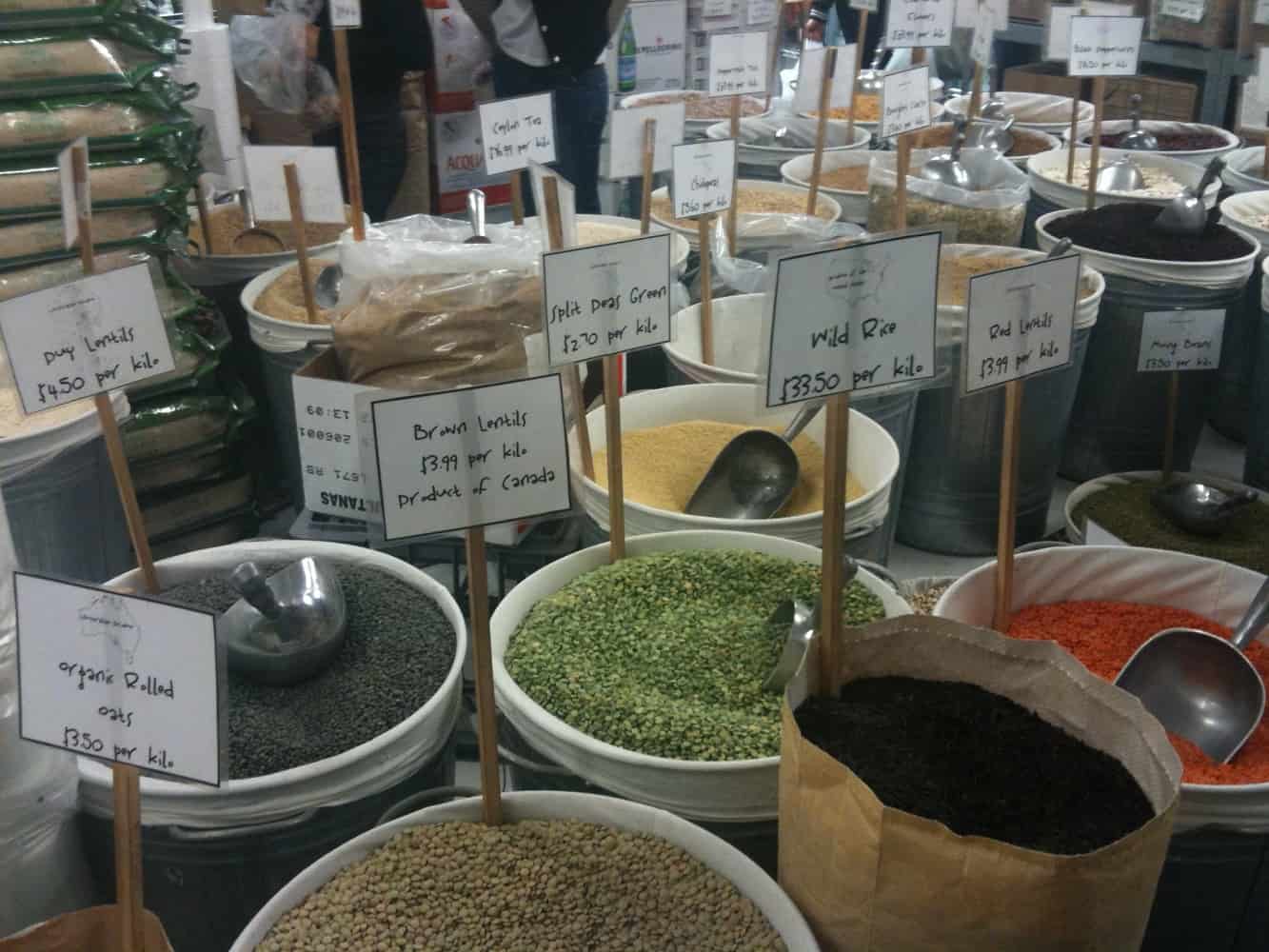
So we started shopping at markets and bulk food shops like these:

bulkInstead of taking bags at the shop, we re-used old bags – both plastic ones that we already had and also paper bags – and also went to a workshop and made our own washable cloth bags. We also took our own containers to the deli counter and got reusable cups which we carry everywhere with us.

bags
fish
2013-06-12 10.40.15

Another simple change we made was to buy bar soap rather than shower gel and liquid handwash that come in plastic. We choose soap made with natural ingredients and without chemicals or additives so we can avoid all that nastiness too, plus it’s made locally by a woman with her own natural skincare and aromatherapy oil business. Wins all round!
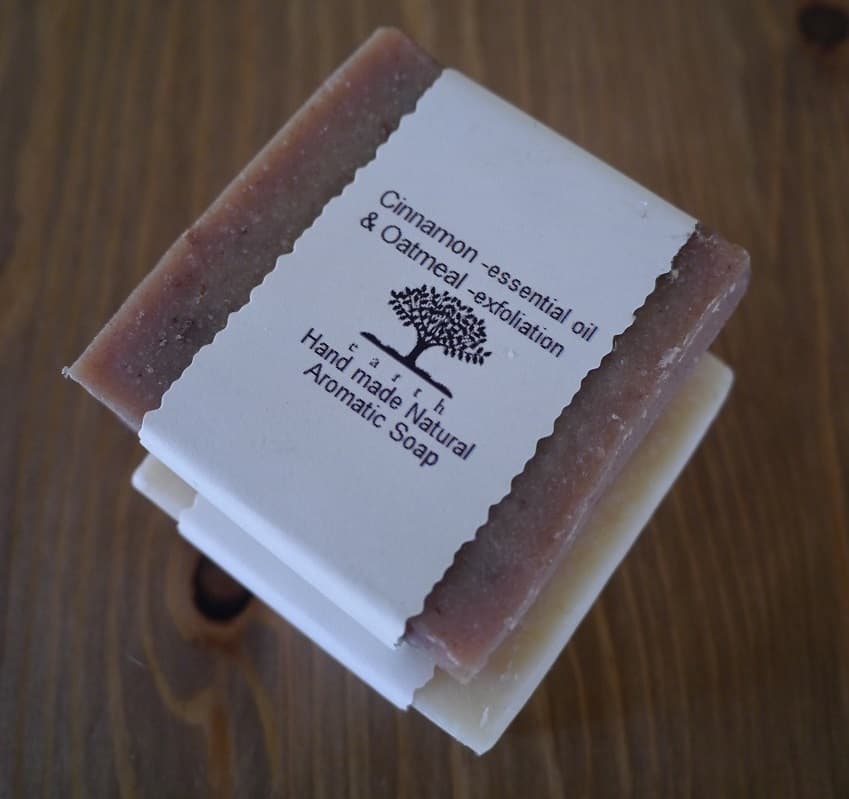
soapSo what else? We started buying more of our stuff second-hand. When we moved into our flat we had committed to buying all our furniture second-hand, but after Plastic Free July we started buying second-hand kitchen appliances, and now we always check to see if we can get something we need pre-loved rather than getting a brand new version from the shops.

We make great use of our local library. As well as the obvious books, our library also lends magazines, CDs and DVDs free of charge. This is great if it’s something we just want to flick through, watch once or have a quick listen, as we can then return it for someone else to use. It’s a great way of cutting down on plastic, but also less wasteful of resources and takes up less space in the flat. After all, how many times do you watch most of your DVDs or read most of your magazines?

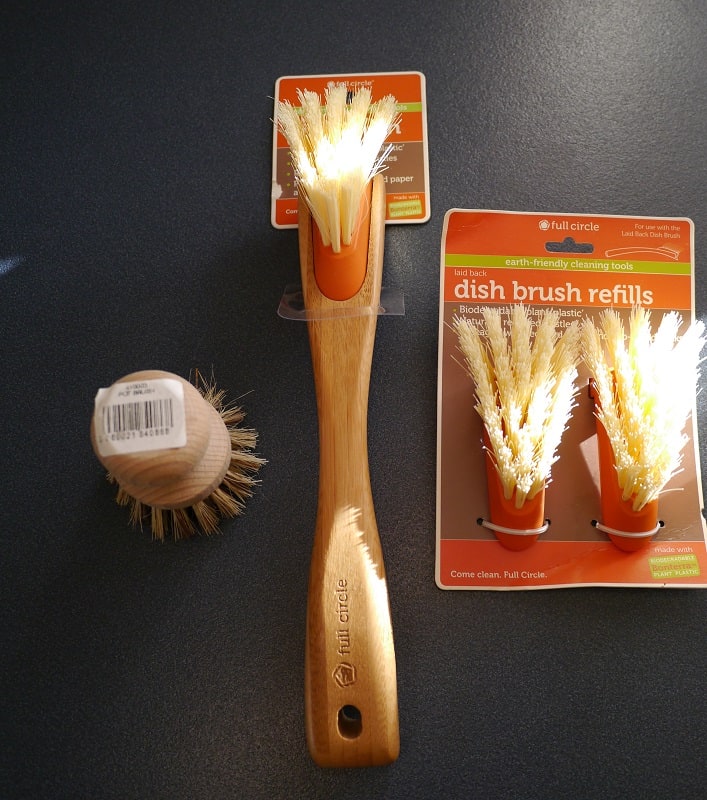
We also started switching plastic items with non-plastic alternatives as they needed replacing. This cleaning brush on the right is made by a company called Full Circle (their Australian site is here). It has a bamboo handle and the heads can be replaced so you don’t need to throw the whole thing away. The head is made of bioplastic and the bristles are a mix of natural fibres and recycled plastic fibres. I’m not quite at the stage of knitting my own dishcloths yet (I don’t know how to knit, for a start) so this is a good compromise for now. The brush on the left is wood and natural bristles.
brushesI also bought my boyfriend this awesome little stainless steel lunchbox for Christmas, which he really likes. It generates a fair bit of conversation at his work, too. The plastic fork in the picture came from a pre-Plastic Free July long haul flight – I kept my initial set of cutlery and reused it for
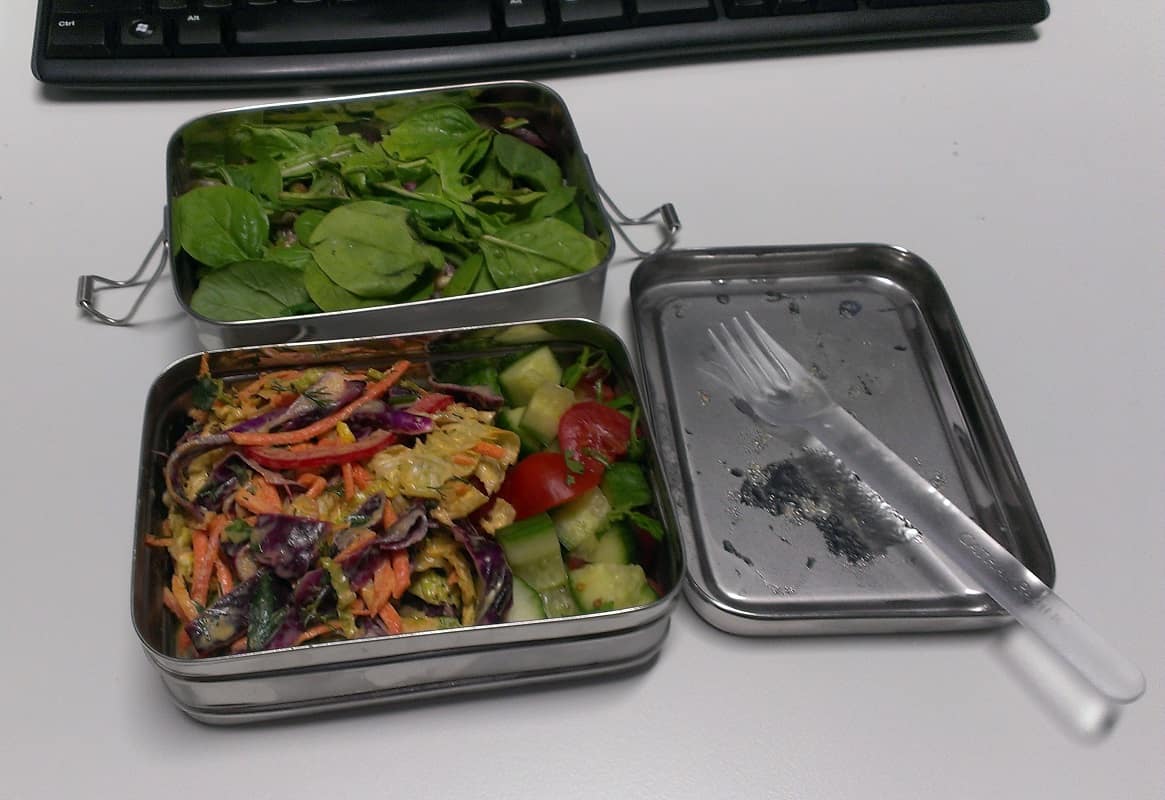
IMAG0360 (2)the entire journey, and then my boyfriend used it at work for several months until the prongs finally snapped. Wouldn’t have happened with a metal fork though, would it?!

After Plastic Free July was over, the Earth Carers, that fantastic group of people that came up with the Plastic Free July challenge in the first place, ran a 5 session course on waste. Having been inspired by Plastic Free July we went along. One of the days was a trip to a rubbish tip and a recycling facility.

One of the big changes you’ll probably have found if you took part in the Plastic Free July challenge is that you ended up with a lot more glass bottles and jars. This happened to us, and we continued to recycle them diligently until we visited a recycling facility.
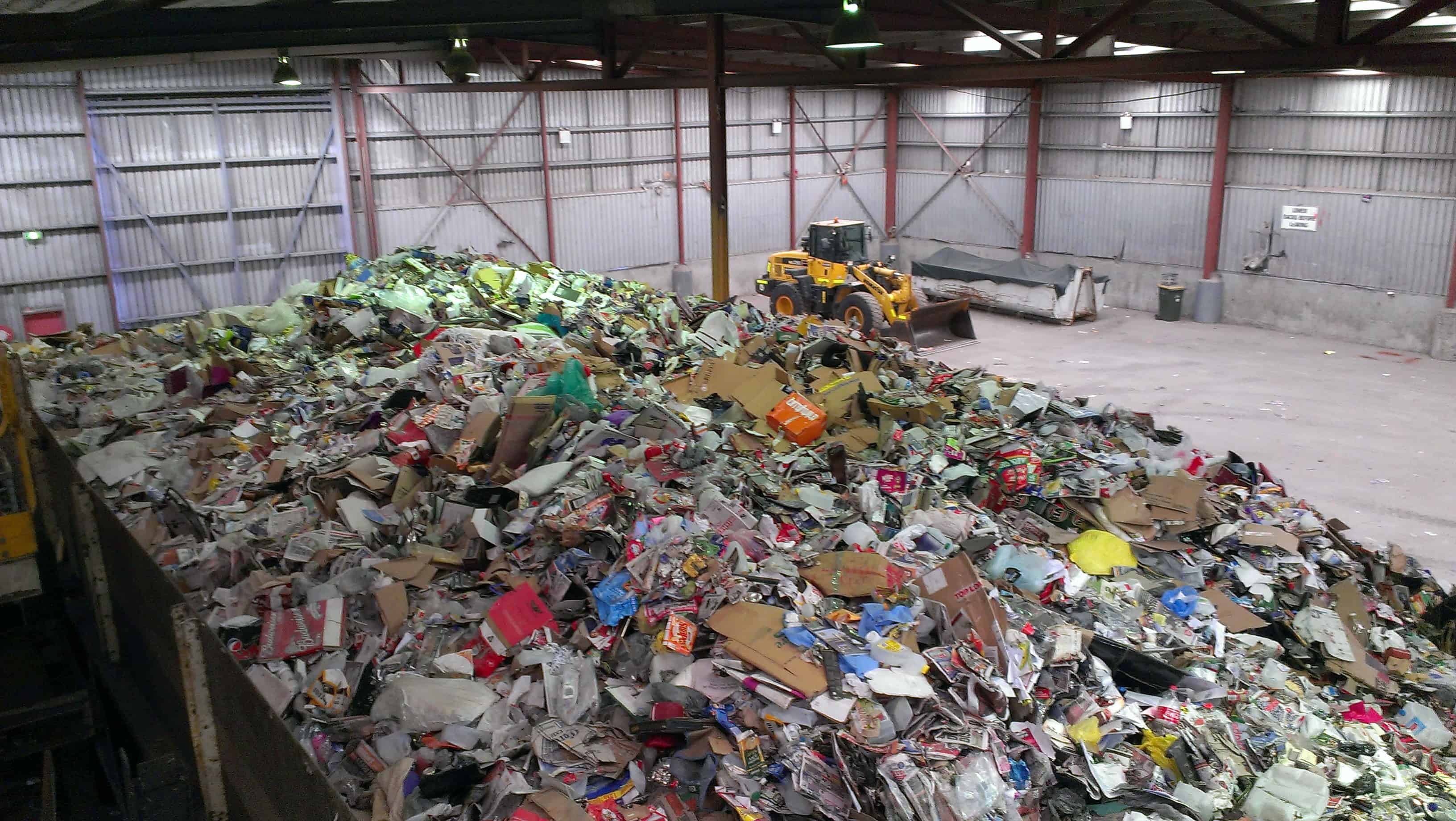
RecyclingThis massive smelly heap is the recycling collected from just a few suburbs of Perth in one afternoon. I also found out that a lot of recycling is actually shipped to Asia for processing, and glass is often trucked thousands of kilometres to be processed in a different state. The glass that is recycled in Perth is often used for road base – not shiny new glass bottles.

Even with the pantry heavily stocked with bulk items stored in glass jars, we were still accumulating more and didn’t have the space to store them indefinitely. To cut them out I decided to make more food from scratch. We committed to try to avoid buying as much as we could in any kind of packaging.

So I learnt how to make yoghurt, labne cheese and sourdough bread, amongst other things.

Cow's milk yoghurt
Cow’s milk yoghurt
labnes5jpg
cutbread4jpg

I also learnt how to make deodorant and toothpaste. I hope eventually to make most of my own cosmetics and skincare, but I haven’t got round to it yet.

The other interesting thing that happened, and arguably the best thing, is that we became a lot more involved in our local community. After the Earth Carers course we also enrolled in a 10 topic, 7 week sustainability course called Living Smart. It focuses on individual behaviour change and goal-setting, and has been a great way to meet like-minded people who live in our area. My boyfriend and I have both completed the Living Smart facilitator training course that allows us to run our own Living Smart courses. So far I’ve had the chance to present at a few courses and we’re looking forward to running our own by the end of the year.

Finding the Balance

One of our biggest achievements over the year has been finding the balance between wanting to consume as little plastic as possible whilst still wanting to stay sane, be happy and remain part of society! There’s no point in depriving ourselves of things if it’s going to make us miserable. After Plastic Free July I thought we’d become plastic extremists and never buy a single thing in plastic ever again. Over time we’ve come to realise that emergencies happen, sometimes we have to compromise and sometimes, plastic can actually be useful. So we do still end up with plastic – here are the main examples.

Firstly, there’s sneaky plastic. If you took part in Plastic Free July, did you buy something thinking that it was plastic free, only to find that beneath the deceptive cardboard outer, some plastic was lurking inside? Yep, us too.

couscous
chocplastic

Secondly, there’s the unavoidable plastic. Despite our best efforts to buy second hand, we sometimes need to buy new things, and these often come with all the little bits and pieces wrapped in unnecessary plastic bags. For example, when I decided to make my own yoghurt I bought a wide-neck flask and a milk thermometer new because I couldn’t find either second hand. Both of these had stupid unnecessary plastic, but it helped stop waste further along. Another thing I’ve found impossible to avoid is plastic lids on glass bottles, or plastic linings inside metal lids, although I buy as few as I can and refill where possible.

yoghurtplastic
plastic lids

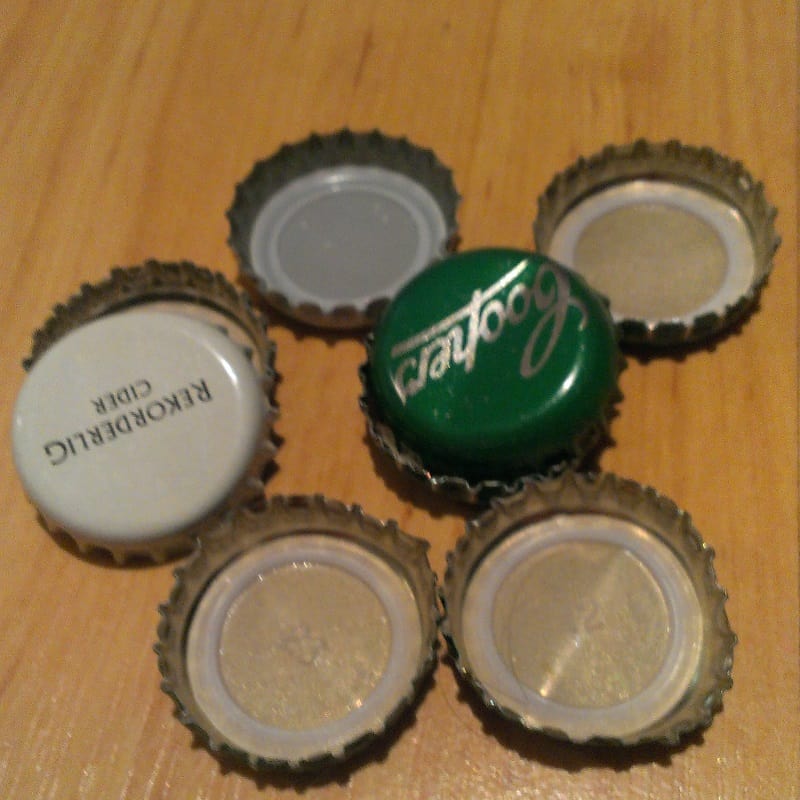
Finally, there’s guilty pleasures. These are the things that contain single use disposable plastic but we continue to buy anyway. My boyfriend’s top example is beer bottle tops. Maybe when we have our own place he can try his hand at homebrew. Hopefully he will turn out to be a master brewer; otherwise I think these are likely to stay.
capsBirthday and Christmas presents to each other are excluded from the plastic-free rule too – although we keep it for gifts we give to everyone else in the family! We never go crazy though. The stainless steel lunchbox purchased last Christmas actually came in a plastic bag, and I received a board game with various bits and pieces packaged in plastic. Still pretty old-school, really!

If you’d asked me a year ago how Plastic Free July would have affected me, I wouldn’t have guessed anywhere close to where I am now. I think the main lesson has been to take things slowly, and keep at one new thing until it becomes a habit before starting the next thing. A lot of this is now second nature to us, but it took a bit of work to get there.

The other important lesson has to be not to berate others for their choices. Everyone is on their own journey and if you want to inspire your friends and family to change their habits too, it is far better to lead by example than berate them for what they aren’t doing! Once people see you quietly getting on with things, hopefully they will be inspired to try things out for themselves. Everyone needs time!

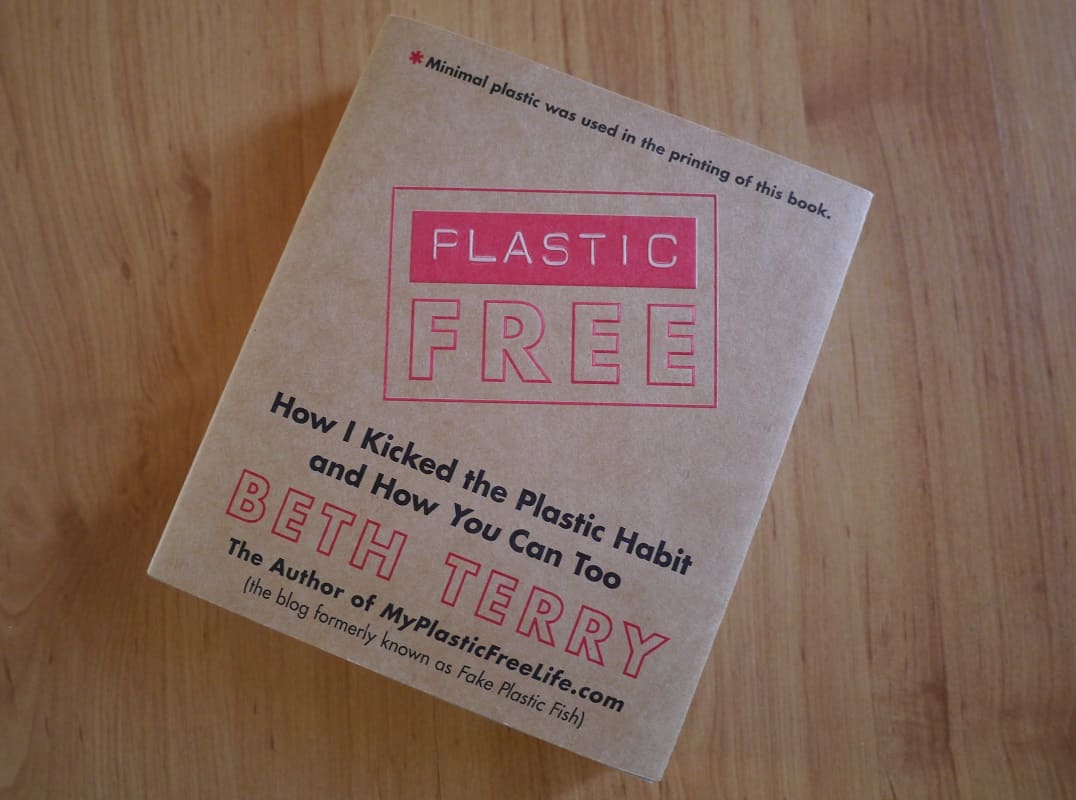
As a thank-you for presenting we were given a copy of Beth Terry’s Plastic Free book. Despite being so committed to plastic free living I’ve never actually read this book, so I’m looking forward to any new inspiration that it brings!
book[leadpages_leadbox leadbox_id=1429a0746639c5] [/leadpages_leadbox]
https://treadingmyownpath.com/wp-content/uploads/2013/08/bulk1.jpg 1000 1333 Lindsay (Treading My Own Path) https://treadingmyownpath.com/wp-content/uploads/2019/06/logo.png Lindsay (Treading My Own Path)2013-08-02 15:15:202020-02-11 11:49:45One year on: how Plastic Free July changed our lives for the better

You’ve made it: the last day of Plastic Free July!

2 Comments/in Living With Less Waste, Plastic Free Living/by Lindsay (Treading My Own Path)

Today is 31st July. If you’ve been taking part in Plastic Free July this year, you’ve probably been counting down this day as you’ve struggled with a month of buying no single use disposable plastic. Well here it is!

Congratulations – you made it! Read more

https://treadingmyownpath.com/wp-content/uploads/2019/06/logo.png 0 0 Lindsay (Treading My Own Path) https://treadingmyownpath.com/wp-content/uploads/2019/06/logo.png Lindsay (Treading My Own Path)2013-07-31 16:12:312013-08-07 16:46:33You’ve made it: the last day of Plastic Free July!

Experimenting with Seed Milks

16 Comments/in Living With Less Waste, Real Food, Recipes/by Lindsay (Treading My Own Path)

Seed milk. If the name ‘nut milk’ sounds bad, seed milk sounds far worse. But don’t let the feeble name put you off… they are surprisingly tasty!

Nut milks are a great substitute for cow’s milk in smoothies (and whatever else your heart desires), and I often make cashew nut milk as a base for my smoothies (see recipe here). But nuts can be expensive, and seeds are often cheaper. Plus pumpkin seeds and sunflower seeds are delicious, which got me thinking…

I decided to experiment with making some different seed milks. So far I’ve made sesame, pumpkin and sunflower seed milk.

Recipe: How to Make Seed Milks

To make these, the procedure is the same. Soak one cup of seeds in water for a few hours, or preferably overnight. Drain and put in a blender with 3 cups of chilled water. Blend until smooth.

Next you need to strain. I used one of my produce bags made with a fine netting type material. You could also use muslin, or improvise with some other material. A fine sieve should work. I’m sure old tights would work too – but do make sure they’re clean first!

Drain the liquid into a bowl. Once the pulp is dry (squeeze any excess moisture out) pour the liquid into a glass bottle or jar and store in the fridge. It will keep for up to 5 days.

Sesame Seed Milk

This milk has quite a distinctive and strong flavour. If you love tahini and sesame then you’ll love it; if not you may find it a bit strong. I used it to make my cacao banana smoothie and even with all the rich chocolatey-ness I could still slightly detect the sesame flavour.

I also tried this with (plunger) coffee and was really impressed with the result. It didn’t curdle (hurrah!) and I thought the flavours really complemented each other.

Pumpkin Seed Milk

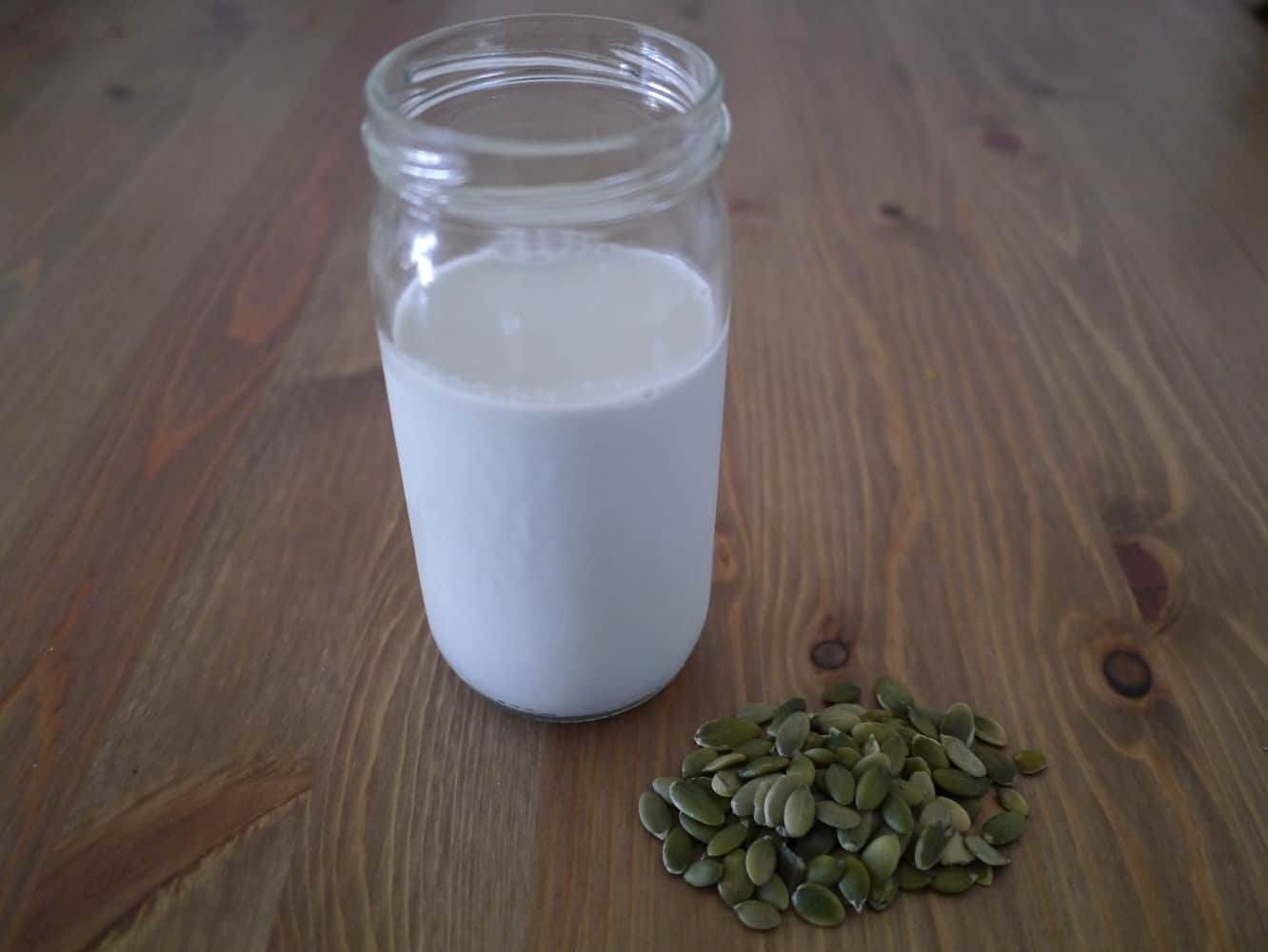
I love pumpkin seeds and I loved this. The flavour is quite subtle and nutty. It has a slight green tinge, which amuses me slightly too.

PumpkinseedmilkSunflower Seed Milk

Sunflower seeds are the hands-down cheapest option I’ve tried so far. The milk tasted great, but had the unfortunate side-effect of separating into a milky layer at the bottom and a strange red liquid layer on top. It is easy to shake and mix the two layers together again, but none of the other seed or nut milks I’ve made have done this before.

Before shaking (separated)
After shaking
After shaking

I tried this in coffee and it worked really well too; it didn’t separate or do anything strange.

Other seed milks

I tried these three because that’s what I had in my cupboard. Also, they are all fairly cheap seeds. There’s plenty of others out there though. I want to make hemp and flax seed milk at some point too; both of these seeds are really good for you and have a great nutty taste that I think will work really well. Plus I love experimenting in the kitchen!

[leadpages_leadbox leadbox_id=1429a0746639c5] [/leadpages_leadbox]
https://treadingmyownpath.com/wp-content/uploads/2013/07/pumpkinseedmilk.jpg 1000 1332 Lindsay (Treading My Own Path) https://treadingmyownpath.com/wp-content/uploads/2019/06/logo.png Lindsay (Treading My Own Path)2013-07-29 13:45:492018-08-20 20:43:37Experimenting with Seed Milks

The many costs of too much stuff (and some lessons for decluttering)

3 Comments/in Living With Less Waste, Simple Living/by Lindsay (Treading My Own Path)

Over time, we accumulate stuff. Maybe we buy it, maybe it’s given to us, maybe we find it. Eventually our space becomes too full and too cluttered, and we need to do something about it.

One solution is to find some more space. There are a few options here. We can move to a bigger house or apartment, we can rent self-storage or a garage, or if we have amenable parents or friends, we can stash our stuff at theirs.

Getting more space costs us – time, money, or both. A bigger house or flat will mean higher costs, or if we decide to live further away in a cheaper neighbourhood then we spend more time travelling (and on fuel). Plus we have to spend time sorting and boxing our stuff and lugging it across town. If we’ve left our stuff with our amenable friends, there’s also the fear factor – the fear that they’ll appear on our doorstep in a few months with all of our stuff because they’re sick of tripping over it.

Plus this stuff cost us in the first place. If we took the time to look for it, and buy it, it cost us. If it was a gift, it cost someone else their time and money. Also, if our stuff was brand-new, there’s an environmental cost too. The raw materials needed to be mined or harvested, transported, processed, assembled, packaged, shipped, displayed and sold in order for us to have it.

Too much stuff also affects us in other ways, too. Clutter can affect our health. Clutter harbours dust and mould, which we breathe in. It makes us stressed and drains our energy. It can be a fire or trip hazard. Having a messy house that’s too full of stuff can be embarrassing, and make us ashamed to invite friends or family over, meaning we can become more isolated. In extreme cases, people have literally been killed by having too much stuff (I’m not going to provide any links but if you don’t believe me, google it.)

We can become slaves to our stuff. The more we have, the more it demands of us, and we end up trying to make our stuff happy. We spend time cleaning and dusting, rearranging and polishing. We buy more stuff to improve our stuff (a new display cabinet to show off our stuff, a bigger wardrobe so our clothes aren’t so squashed, a new addition to our ‘shiny things’ collection that makes it just that little bit more splendid). It is all consuming.

Of course, there’s another way to deal with having too much stuff.

Getting rid of some of it.

It sounds fairly simple, but it’s something I struggle with. Stuff can have a pretty tight grip on us. Living with my boyfriend in our one-bedroom flat – the smallest place I’ve ever lived in – for the last 18 months has been a great experience in living with less. Slowly but surely though, the amount of stuff has built up and the flat is currently feeling less than zen.

We did think about moving into a two-bedroom place, but it would cost us an extra $3000 a year. That’s a lot of money to spend on an extra room to keep all our stuff in. That money could be spent on a pretty amazing holiday. There was no contest. We’re going to stay where we are and I am going to learn how to declutter.

We’ve had a couple of attempts at decluttering so far, with mixed success, and I’ve learned some valuable lessons. Our first attempt was dedicating a weekend to decluttering, where I mostly just got impatient that our flat wasn’t decluttered already. In reality I didn’t really do much to assist the process. We got rid of one box of things. After reflecting, I decided to try a different approach.

Lesson 1: It’s not enough to want to declutter, no matter how much you desperately want it. You have to put in the physical work too.

Lesson 2: Don’t expect miracles. If you’re new to decluttering, or you’ve been a hoarder all your life, you’re not going to change in one weekend. Change takes time.

Lesson 3: If one method doesn’t work for you, try something else until you find something that does.

My next idea was to try to get rid of 100 things by taking smaller steps, and getting rid of 5 things a day. We gathered together a few bits and pieces for the charity shops and Gumtree, and we recycled some glass and cardboard that we’d been keeping (sorry, that I’d insisted we keep) in case they turned out to be useful. Excluding the rubbish and recycling, we got rid of 36 things. Not the 100 I wanted, but we did clear some more stuff.

Lesson 4: Focus on what you did achieve, not what you didn’t, and celebrate your successes, however small they may seem.

Lesson 5: If it all gets too much, take a step back. Come back to it when you feel ready again.

I decided to take some time out, and now I’m feeling re-energised and ready for another attempt. I’ve decided that this time I’m going to focus on clutter. All the stuff that seems transient, and really should have a permanent home, yet somehow doesn’t actually seem to.

I’m going to tackle the clutter from the other side. I’m going to have a major thorough spring clean, one section of the flat at a time. Rather than imagining a clutter-free space, the idea is that I’ll actually create it. Rather than being a conscious thought, it’ll be a physical manifestation. Maybe if I can see it with my own eyes, then my conscious mind will know what’s going on, can let my subconscious mind in on the plan and we’ll all be on the same page. I’ll let you know how it goes.

I don’t have all the answers to successful decluttering, but I’m learning all the time, and I’m hopeful that if I keep at it, it will get easier!

[leadpages_leadbox leadbox_id=1429a0746639c5] [/leadpages_leadbox]

https://treadingmyownpath.com/wp-content/uploads/2013/07/Many-Costs-Too-Much-Stuff.jpg 533 800 Lindsay (Treading My Own Path) https://treadingmyownpath.com/wp-content/uploads/2019/06/logo.png Lindsay (Treading My Own Path)2013-07-24 13:59:372017-05-08 09:48:09The many costs of too much stuff (and some lessons for decluttering)

A simple way to use less gas (and save money)?

3 Comments/in Energy, Living With Less Waste, Water/by Lindsay (Treading My Own Path)

Last week we received our quarterly gas bill. Normally I just groan and pay the money that’s demanded, without really thinking any more about it. (In the UK the gas companies estimate the meter readings so I’d always go check to see if it was actually right, and if it wasn’t I’d call them and ask them to adjust the bill, but here in Australia they actually read the meter before sending you the bill, so there’s no need to double check.)

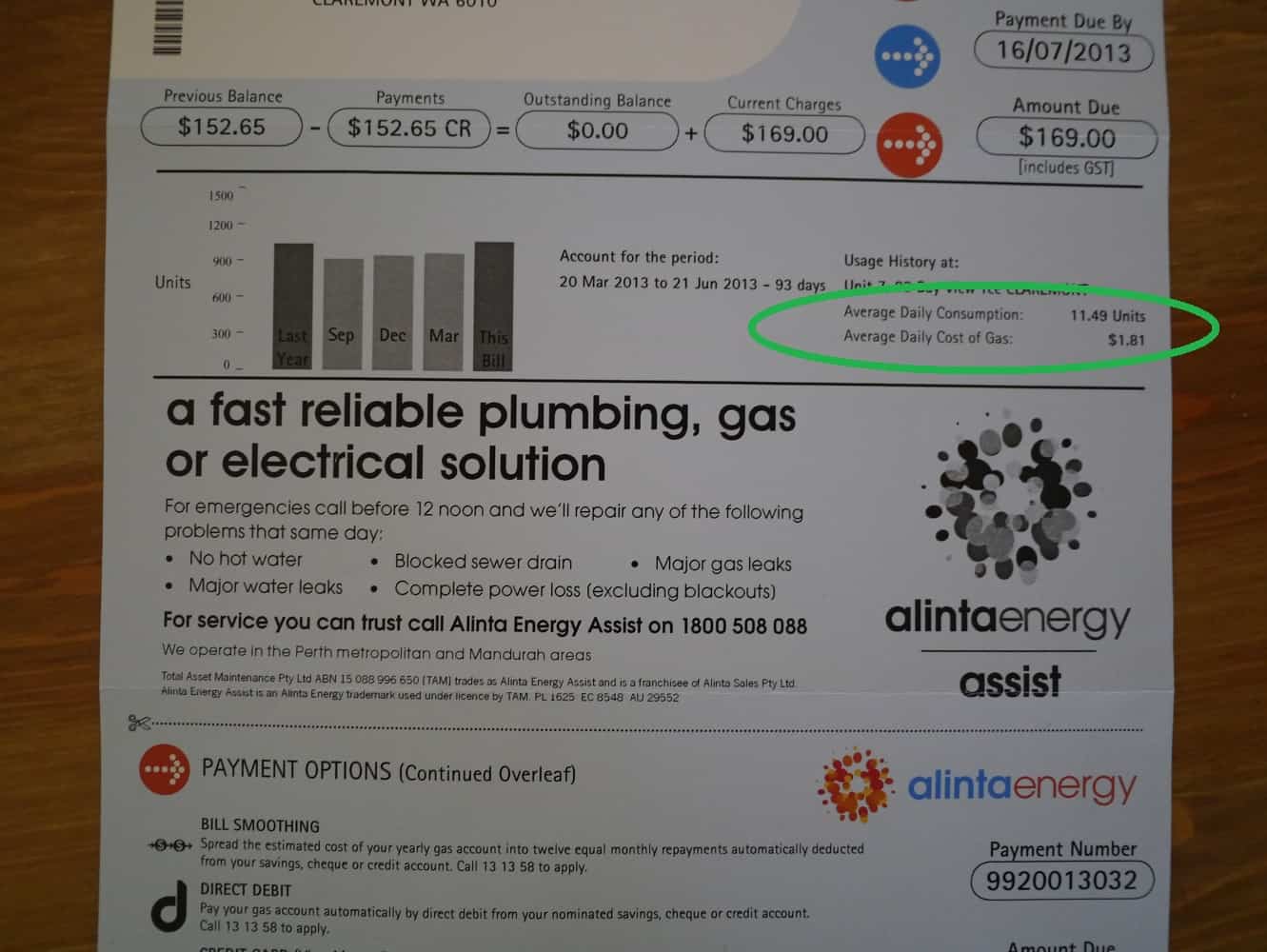
However, a couple of weeks ago we discovered that our gas usage (and hence our gas bill) is surprisingly high. Have you ever looked at your actual daily consumption? According to our bill, we use 11.49 units a day. That didn’t mean anything to us until we were able to compare  with some other bills, and we found that ours was much higher than others who live in bigger houses and appear to use far more gas.

gasbilljpgWhat are we using gas for in our home?

We have four gas stove tops, but the oven is electric. Our water is heated by gas (although not the washing machine) but we’re pretty good at having 4 minute showers. And that’s it. There’s no gas heating, no other gas appliances. I do a fair bit of cooking, but still, why is it so high?

With the hob, I always put lids on my saucepans, and I always use the smallest ring I can, so there’s not much I can change, other than cooking less.

Which means it must be the water.

Ever since we went to that water workshop and dismissed water as not particularly important (perhaps motivating is a better word), we’ve been plagued by situations that have made us notice how much we take it for granted. I wrote this post about how the next day our water was disconnected for the entire day. Over the following two weeks it was disconnected twice more, both without any warning. Apparently the problem has finally been resolved, but there’s nothing like being without water to make you realise how important it is.

Back to the gas. We are using gas to heat the water we use to shower, to wash our hands and to do the washing up. We don’t feel like we’re using excessive amounts of hot water, so one issue must be how hot we’re heating the water. The thermostat.

To make the shower a comfortable temperature, we turn on the hot water, then add cold water to get it to the right temperature. We’re heating the water using gas, and then cooling it straight back down again. How ridiculous is that?!

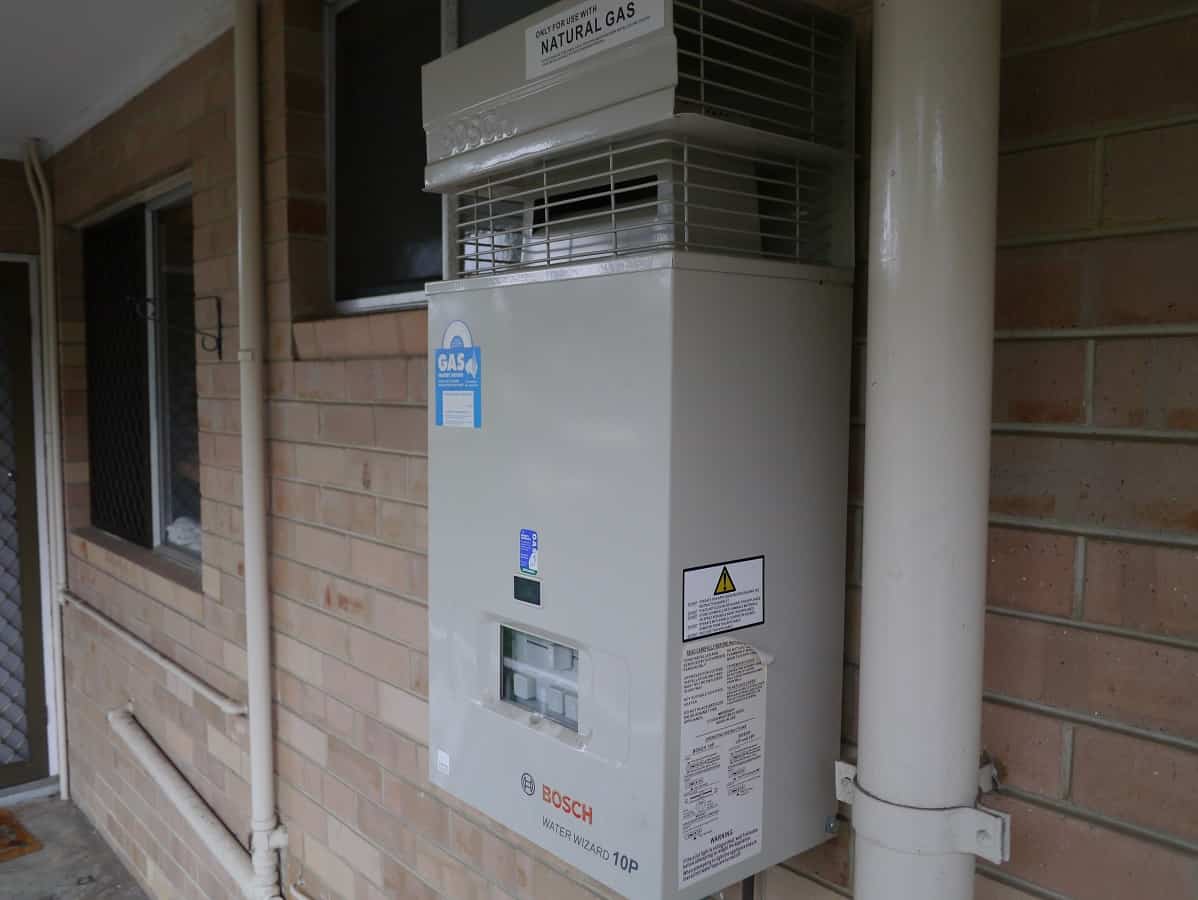
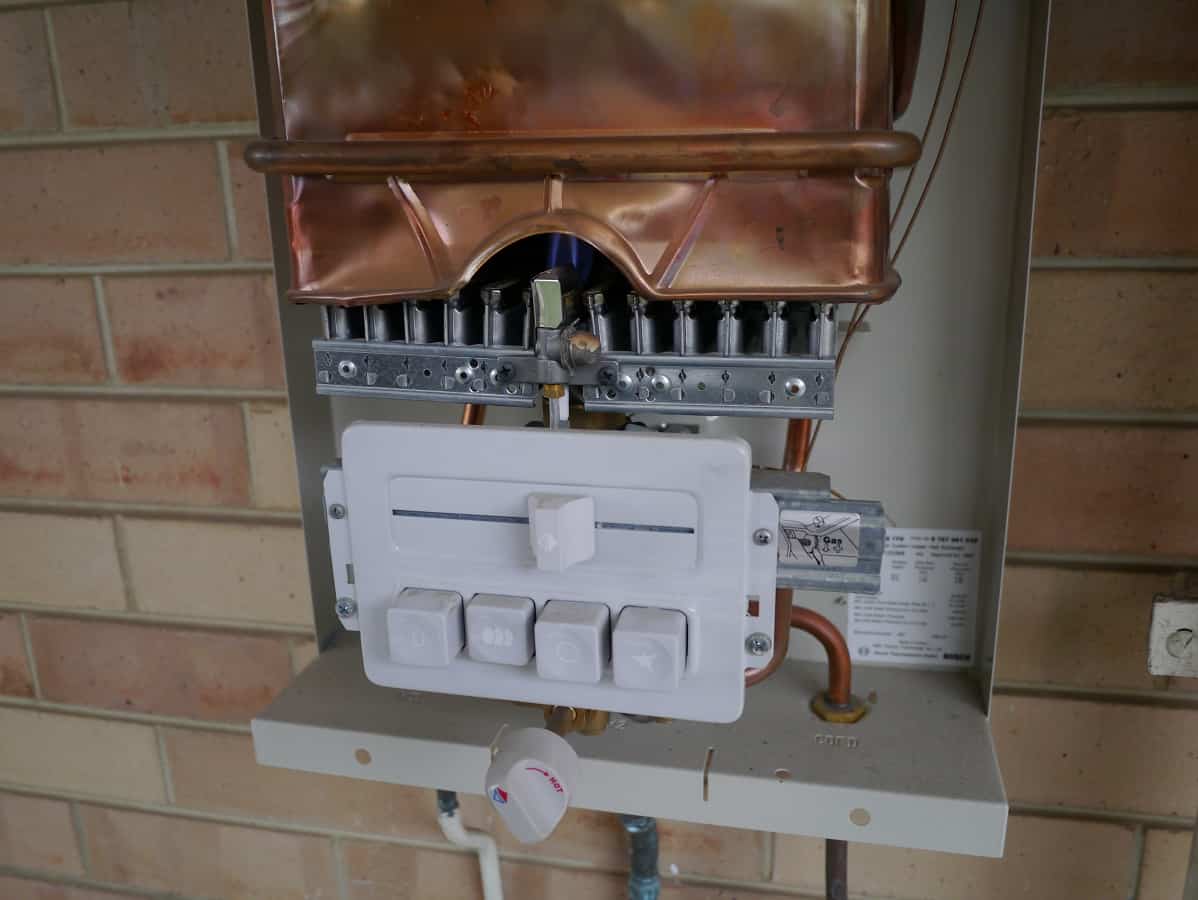
Prompted by the gas bill, this weekend we decided to investigate the water boiler. We live in a rental, and had to get a new boiler installed three months after we moved in when the old one exploded. (Literally.) Being a rental, the landlord installed the cheapest one possible. Interestingly, our gas bill jumped up after the new boiler was installed. At the time we assumed it was because it was winter, but now we’ve got a year’s worth of statements we can see it’s definitely the new boiler. This one has a pilot light, whereas the old one didn’t, and pilot lights burn gas, and are not energy-efficient. (If you’re interested in the physics of it all, check this out!) We can’t change our boiler, but we can change the settings to try to reduce our gas usage.

boiler1When the cover’s taken off, there’s two adjustable knobs. One is for the pilot light, and the other is for the water temperature.

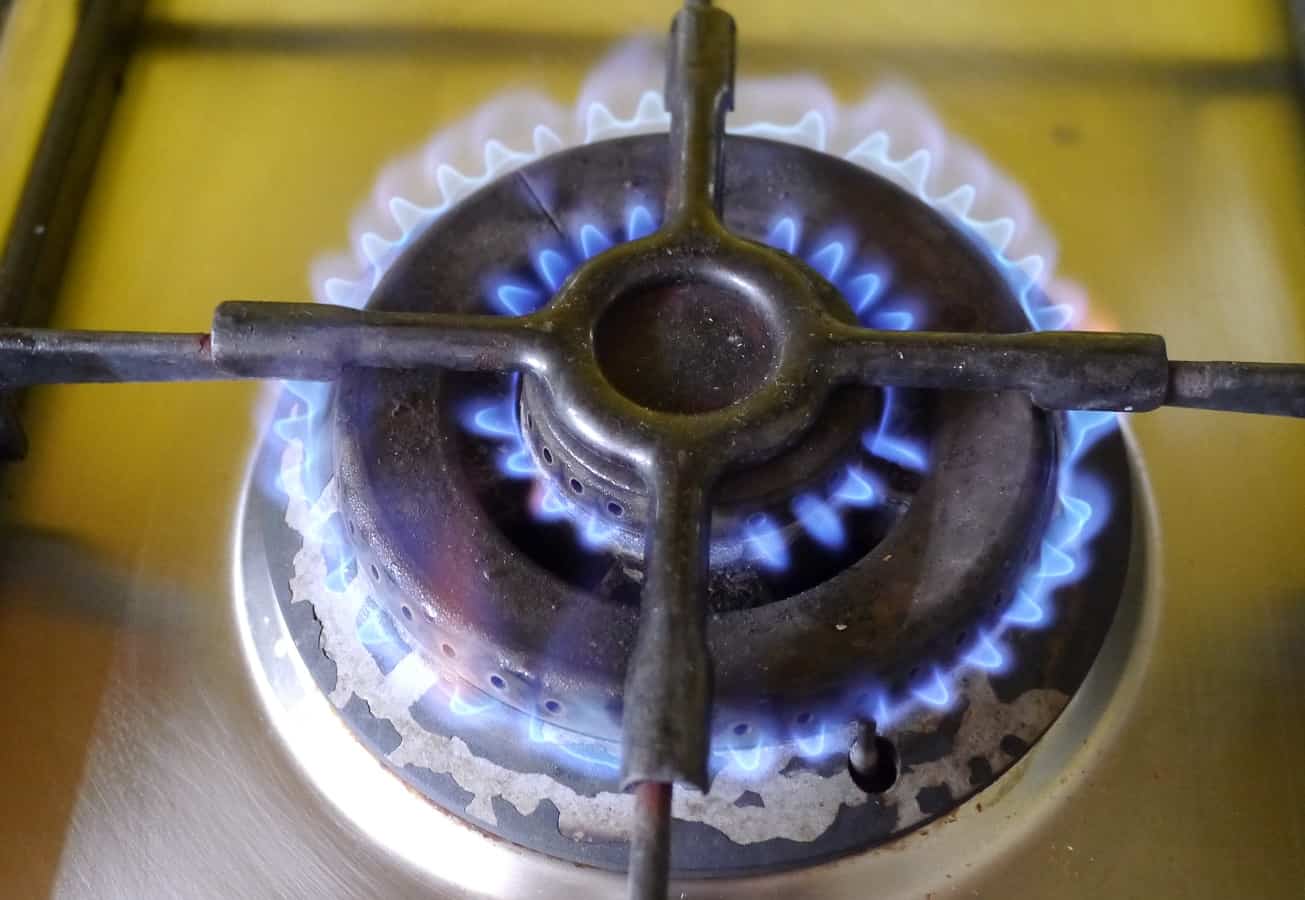
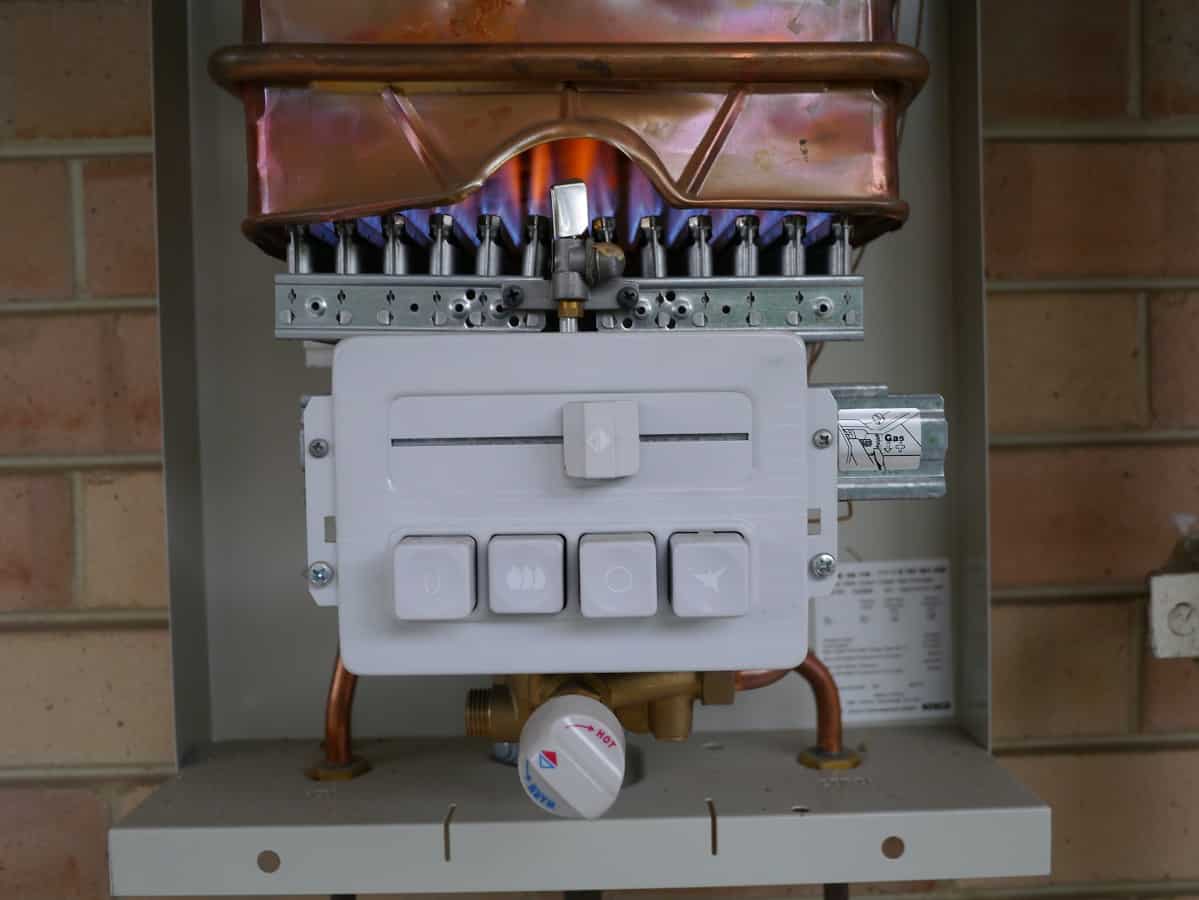
boiler2That big blue flame in the middle is the pilot light. The slide-y knob below it adjusts the pilot light – supposedly. We slid it as far to the left as it would go. It didn’t appear to make any difference, but hopefully it did something. It makes sense to keep the pilot light as low as possible, so it burns as little gas as possible.

The round knob at the bottom is the temperature setting. We turned that down and then tested the temperature of the water in the house, so it was low enough that the water was still hot, but there was no need to add cold water.

I couldn’t believe how much gas is used when the boiler is fired up to heat the water.

boiler3Having seen it in all its blazing glory, we’ve also agreed not to fire the boiler up unnecessarily. No post-dinner, pre-washing-up rinsing of dishes in hot water. No running the hot tap too long.

Hopefully our adjustments will save us some gas, and hence some money. It will be interesting to see if it makes a difference (and how much of a difference) when the next gas bill comes in three month’s time.

If you’ve got a gas boiler, have you checked your thermostat recently?

[leadpages_leadbox leadbox_id=1429a0746639c5] [/leadpages_leadbox]
https://treadingmyownpath.com/wp-content/uploads/2013/07/gas.jpg 900 1305 Lindsay (Treading My Own Path) https://treadingmyownpath.com/wp-content/uploads/2019/06/logo.png Lindsay (Treading My Own Path)2013-07-15 14:03:532017-08-30 21:28:51A simple way to use less gas (and save money)?

The JOCO cup: a reuseable coffee cup made from glass

14 Comments/in Living With Less Waste, Plastic Free July, Plastic Free Living/by Lindsay (Treading My Own Path)

It’s not often that I see a product that I think is worth raving about. After all, we can’t save the planet by buying more stuff, no matter how great the eco credentials claim to be. But when I came across the JOCO cup I thought it was worth sharing.

I’ve talked before about how takeaway coffee cups are made from fossil fuels (yep, that’s where plastic comes from) and are creating a huge landfill problem. The same goes for those biodegradeable ones that actually need commercial composters to biodegrade (you can read that post here).

The way I see it, there’s two simple solutions. Dine in, or bring your own reuseable cup.

I bought a KeepCup, which is made of durable plastic. I’ve used it countless times. I was torn between buying the KeepCup, which appealed to me because its cups are standardised sizes (8oz, 12oz and 16oz, the same as disposable coffee cups), and buying a non-plastic alternative. I would rather have purchased a stainless steel one (or even ceramic) but they all seemed to come in bizarre and impractical sizes. (If your takeaway coffee cup is too tall to fit underneath an expresso machine, it rather defeats the point of having it, don’t you think?!)

The downside of the plastic KeepCup is that it does retain the taste and smell of the previous drink. No matter how many times I wash it out. Soaking overnight with a teaspoon of sodium bicarbonate does a pretty good job of removing it, but wouldn’t it be better if I could wash it once and be done with it? The plastics used in the KeepCup are polypropylene for the cup (type 5) and LDPE (type 4) for the lid, which are both considered safer types of plastic. They thought that about plastic with BPA and phthalates once though. This type of plastic isn’t easily recycled either, so disposal will be an issue at the end of its life. Reuseable plastic is better than disposable plastic, but the best would be no plastic at all.

So I’ve been quietly waiting for KeepCup to bring out a stainless steel alternative.

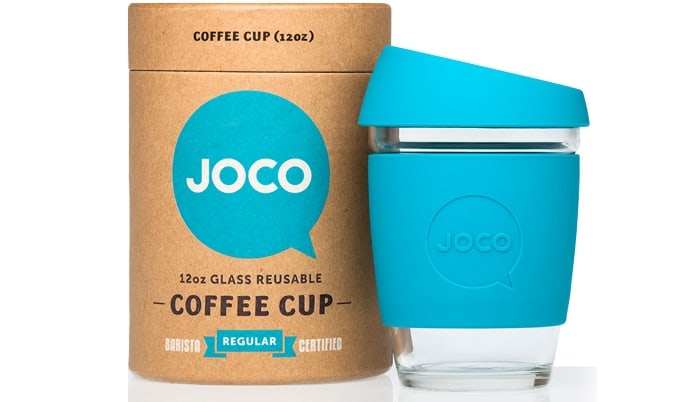
It seems like JOCO have beaten them to it. Not with stainless steel, but another non-toxic material – glass. I wish the JOCO cup had been around when I was in the market for one. It truly seems to be the best of both worlds. The JOCO cup is made out of glass, with a silicone band so your fingers don’t get scalded. It’s the only glass coffee cup I’ve ever seen. Plus they come in proper barista sizes: 8oz and 12oz. And they’re easy on the eye, if stylishness is your thing.

JOCO cupThe other thing I love is that they sell replacement glass, bands and lids so if you lose any of the bits (or the glass breaks) you can replace them without having to buy a whole new one. This may seem obvious, but often companies make it very hard to buy replacement parts. If you’ve ever broken the glass in a coffee plunger and tried to buy a replacement you’ll know exactly what I mean.

I don’t have a JOCO cup, and I haven’t tried using one. I won’t be getting one either, because my KeepCup still has plenty of life left and to get rid of it would be wasteful. Discarding old products to buy new ones, however green they may be, is not the sustainable option.

But I know there’s a few people out there who are taking part in Plastic Free July, and maybe haven’t got round to buying a reusable coffee cup of their own yet. In which case, here’s another option for you to consider.

[leadpages_leadbox leadbox_id=1429a0746639c5] [/leadpages_leadbox]

https://treadingmyownpath.com/wp-content/uploads/2013/07/joco-cup.jpg 402 698 Lindsay (Treading My Own Path) https://treadingmyownpath.com/wp-content/uploads/2019/06/logo.png Lindsay (Treading My Own Path)2013-07-10 20:28:502017-08-30 21:25:15The JOCO cup: a reuseable coffee cup made from glass

The humble teabag: maybe not so innocent?

26 Comments/in Living With Less Waste, Plastic Free Living, Real Food/by Lindsay (Treading My Own Path)

I’ve always used teabags. I like their convenience. That’s the thing, though. Convenience is a word that I’ve come to be suspicious of. After all, convenience is what created the plastic pollution problem that we have today. In particular, convenience foods and all its unnecessary plastic packaging. Like pre-peeled bananas on Styrofoam trays and cling wrapped with more plastic to save us all the ‘hassle’ of peeling them. (Think I’m joking?! Check out the Time magazine article about it here.)

I was very pleased when I found out that Twining teabags do not come in a cellophane wrapped box, nor do they come with that plastic-disguised-as-foil inner packaging inside the box. Most other brands have one (or both) of these. Even those ‘silk’ teabags are actually made of plastic. But Twinings offer me plastic-free teabags, hurrah!

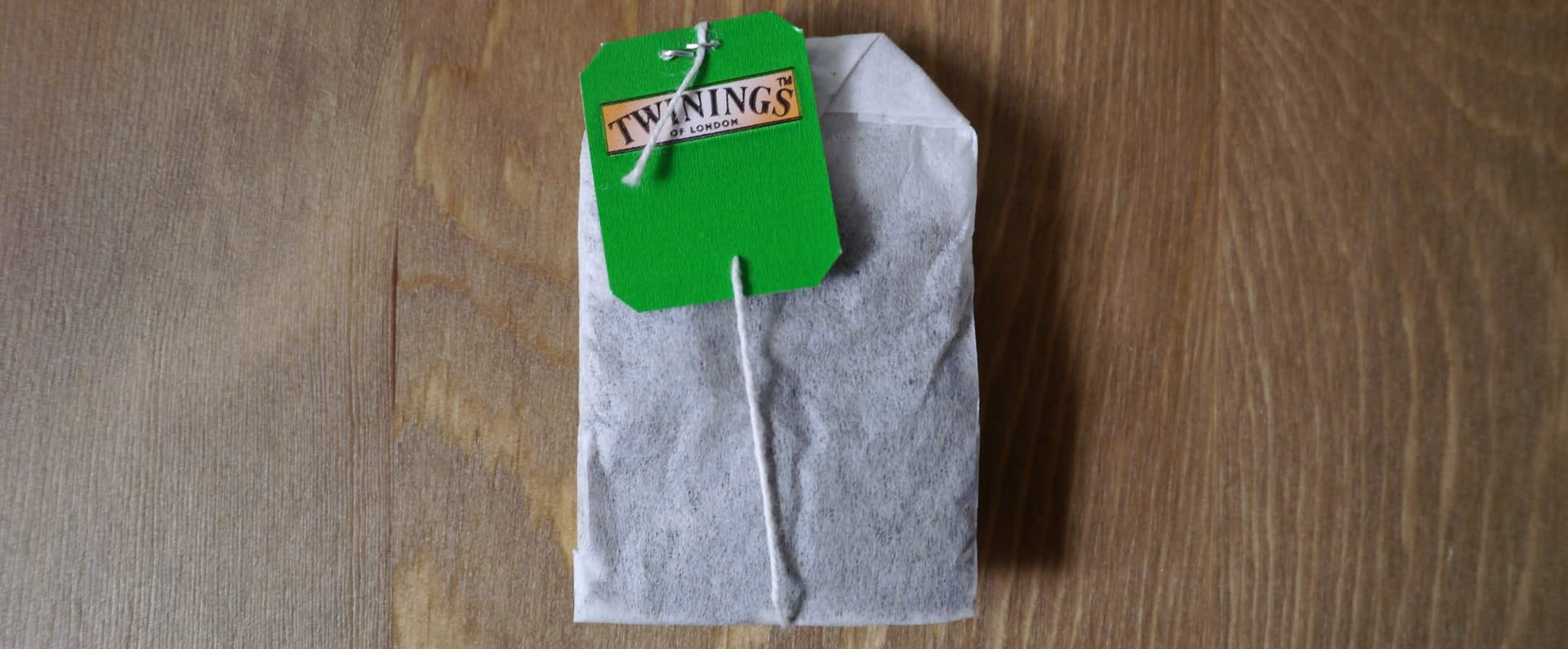
I’d been using these plastic free teabags for a while, and I noticed that the thread is held together by a tiny metal staple. Have you ever noticed that? My box of 100 teabags has 100 staples. How are they stapled together? Is there a person sitting in a dark room somewhere stapling teabags together? Has someone invented a machine that can staple the stringy bit to the tea bag with no physical labour required?

Let’s think about this. Metal comes out of the ground. It’s mined. It’s then got to be made into a staple. It’s got to be transported to the teabag factory. Then, somehow, it’s got to be attached to the teabag along with the stringy bit. And all of this occurs to save me the inconvenience of having to remove the teabag from my cup with a spoon. Is that not a tiny bit ridiculous?

Before you point out that other teabag brands do not have staples, or even strings, whilst I know that’s true, I am yet to find any that don’t have plastic cellophane packaging, or plastic ‘foil’ wrapping, or some other unnecessary packaging.

There’s a simple solution of course. Switch to loose leaf tea.


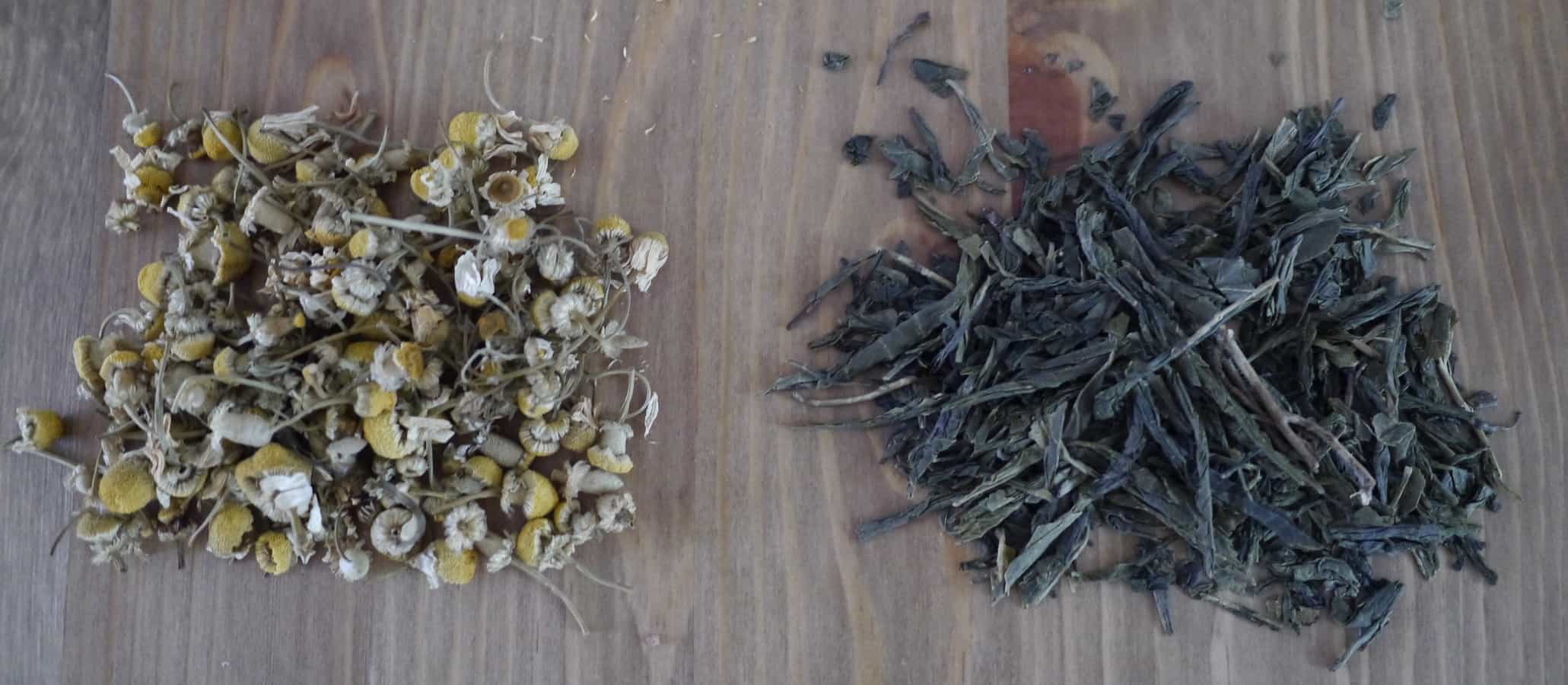
teajpgOver the last few months I’ve slowly been using up my teabag stash, and replacing them with loose leaf tea. The other great thing about this is that loose leaf tea tastes far better. There are a number of grades of tea and the lowest is called dust (or fannings) – it’s this stuff that usually ends up in teabags. If you buy loose leaf tea you’re buying a better quality product.

Switching from teabags to loose leaf tea may not save the planet, but it reduces packaging, prevents plastic-rage (when you get home to discover that the item you were so sure was plastic-free was hiding it all along), and makes a far better brew. What’s not to love?

[leadpages_leadbox leadbox_id=1429a0746639c5] [/leadpages_leadbox]

https://treadingmyownpath.com/wp-content/uploads/2013/07/teabagjpg.jpg 900 2174 Lindsay (Treading My Own Path) https://treadingmyownpath.com/wp-content/uploads/2019/06/logo.png Lindsay (Treading My Own Path)2013-07-08 16:37:052017-08-30 21:20:35The humble teabag: maybe not so innocent?

I was on the radio for Plastic Free July!

6 Comments/in Living With Less Waste, Out & About, Plastic Free July, Plastic Free Living/by Lindsay (Treading My Own Path)

plastic-free-july-logo-banner-lgeWhen I spoke at the Plastic Free July launch back in April (I wrote about it here) about my experience of Plastic Free July in 2012, I was also asked to record a brief interview with radio station RTR FM.

Well, this week my interview was aired!

Quite exciting, as I’ve never been on the radio before.

I have no idea how to add media files to the blog – or if it’s even possible – so I’m just going to share the link. If you’re interested, click here to hear the Understorey Plastic Free July programme recorded by RTR FM.

Happy listening!

https://treadingmyownpath.com/wp-content/uploads/2019/06/logo.png 0 0 Lindsay (Treading My Own Path) https://treadingmyownpath.com/wp-content/uploads/2019/06/logo.png Lindsay (Treading My Own Path)2013-07-06 09:37:212013-07-15 14:46:00I was on the radio for Plastic Free July!
Page 10 of 12«‹89101112›»

Pages

  • 9-tips
  • Birthday book reviews
  • Books
  • Cheatsheets and checklists
  • Every Blog Post I’ve Ever Written
  • Food Waste Challenge
  • Hoarder Minimalist Progress Tracker
  • Instagram
  • Join the mailing list
  • One More Step…
  • Real Food and Recipes
  • Thank you – 3 day food waste challenge
  • Thanks for joining!
  • The Less Waste No Fuss Kitchen Bonus Vault
  • Treading My Own Path Gift Voucher
  • Zero Waste + Plastic Free Living in Perth, Western Australia
  • Home
  • Quotes and facts
  • Resources
  • About
  • Infographics
  • Work with me
  • Minimalism / Simple Living
  • Plastic-free living
  • Upcoming events
  • Zero Waste
  • Explore
  • Blog
  • Less Stuff Book
  • The Less Waste No Fuss Kitchen
  • Thank You
  • Disclaimer & Copyright
  • Privacy Policy

Categories

  • About Me
  • Changemaking
  • Chemical-Free Living
  • Climate action
  • Community
  • Decluttering
  • DIY Skincare
  • Energy
  • environmental guilt
  • Ethical Living
  • Garden
  • growing food
  • Health & Wellness
  • How to…
  • Less Stuff
  • Living With Less Waste
  • Minimalism
  • Money-Saving
  • Musings
  • Out & About
  • Permaculture Gardening
  • Plastic Free July
  • Plastic Free Living
  • Real Food
  • Recipes
  • Simple Living
  • Sustainable Food
  • Thrift
  • Transport
  • Uncategorized
  • urban permaculture
  • Water
  • Zero Waste

Archive

  • November 2022
  • July 2022
  • April 2022
  • March 2022
  • February 2022
  • March 2021
  • February 2021
  • January 2021
  • December 2020
  • November 2020
  • October 2020
  • September 2020
  • August 2020
  • July 2020
  • June 2020
  • May 2020
  • April 2020
  • March 2020
  • February 2020
  • January 2020
  • December 2019
  • November 2019
  • October 2019
  • September 2019
  • August 2019
  • July 2019
  • June 2019
  • May 2019
  • April 2019
  • March 2019
  • February 2019
  • January 2019
  • December 2018
  • November 2018
  • October 2018
  • September 2018
  • August 2018
  • July 2018
  • June 2018
  • April 2018
  • March 2018
  • February 2018
  • January 2018
  • December 2017
  • November 2017
  • October 2017
  • September 2017
  • August 2017
  • July 2017
  • June 2017
  • May 2017
  • April 2017
  • March 2017
  • February 2017
  • January 2017
  • December 2016
  • November 2016
  • October 2016
  • September 2016
  • August 2016
  • July 2016
  • June 2016
  • May 2016
  • April 2016
  • March 2016
  • February 2016
  • January 2016
  • December 2015
  • November 2015
  • October 2015
  • September 2015
  • August 2015
  • July 2015
  • June 2015
  • May 2015
  • April 2015
  • March 2015
  • February 2015
  • January 2015
  • December 2014
  • October 2014
  • September 2014
  • August 2014
  • July 2014
  • June 2014
  • May 2014
  • April 2014
  • March 2014
  • February 2014
  • January 2014
  • December 2013
  • November 2013
  • October 2013
  • September 2013
  • August 2013
  • July 2013
  • June 2013
  • May 2013
  • April 2013
  • March 2013

Treading My Own Path

Privacy / Disclaimer

Sign up to the newsletter

Website by Órla Larkin

Lindsay Miles is an educator, speaker, author and passionate zero waste/plastic-free living advocate helping others live more meaningful lives with less waste and less stuff. She has been sharing ideas, tips, tricks and strategies on her website Treading My Own Path since 2013. Her first book, Less Stuff, was published in 2019 and her second, The Less Waste No Fuss Kitchen was published in June 2020. Originally from the UK, Lindsay now lives in Perth, Western Australia.

Lindsay Miles
© 2024 Lindsay Miles | ABN 84 679 541 090
  • Link to X
  • Link to Youtube
  • Link to Instagram
  • Link to Mail
  • Link to Facebook
Scroll to top Scroll to top Scroll to top

This site uses cookies. Cookies enable me to personalise your experience on this site so I can improve my content and communications.

I'm okay with that

Cookie and Privacy Settings


How we use cookies

We may request cookies to be set on your device. We use cookies to let us know when you visit our websites, how you interact with us, to enrich your user experience, and to customize your relationship with our website.

Click on the different category headings to find out more. You can also change some of your preferences. Note that blocking some types of cookies may impact your experience on our websites and the services we are able to offer.

Essential Website Cookies

These cookies are strictly necessary to provide you with services available through our website and to use some of its features.

Because these cookies are strictly necessary to deliver the website, refusing them will have impact how our site functions. You always can block or delete cookies by changing your browser settings and force blocking all cookies on this website. But this will always prompt you to accept/refuse cookies when revisiting our site.

We fully respect if you want to refuse cookies but to avoid asking you again and again kindly allow us to store a cookie for that. You are free to opt out any time or opt in for other cookies to get a better experience. If you refuse cookies we will remove all set cookies in our domain.

We provide you with a list of stored cookies on your computer in our domain so you can check what we stored. Due to security reasons we are not able to show or modify cookies from other domains. You can check these in your browser security settings.

Other external services

We also use different external services like Google Webfonts, Google Maps, and external Video providers. Since these providers may collect personal data like your IP address we allow you to block them here. Please be aware that this might heavily reduce the functionality and appearance of our site. Changes will take effect once you reload the page.

Google Webfont Settings:

Google Map Settings:

Google reCaptcha Settings:

Vimeo and Youtube video embeds:

Privacy Policy

You can read about our cookies and privacy settings in detail on our Privacy Policy Page.

Privacy Policy
Enough is Enough Free ebook for Subscribers front cover

Join our community and you’ll receive free new content every week and a downloadable eBook “Enough is Enough” to help you take the next steps!

Enough is Enough eBook

Please send me the eBook!

Send my eBook link to:

By downloading the eBook you agree to my Privacy Policy.

I hate spam as much as you do, and I promise to keep your email address safe. I will not share or sell your personal information, ever. You can unsubscribe at any time.

This form collects information I will use to send out the free eBook, new content once a week and an occasional newsletter (with other stuff I think you’ll find useful such as events).

Loading Comments...