Minimalism

Living with less stuff

The case for less stuff

There’s a lot of stuff in the world. Our stuff costs us money, takes up space and stresses us out. And all this stuff is made of resources. Creating new stuff means using more resources. Rather than chasing more, what about chasing less? Valuing what we already have, and passing on those things we don’t use, don’t need and don’t like to someone who actually wants them?

Sharing stuff. Fixing stuff. Less stuff. Better stuff. Re-thinking our relationship with our things.


An accidental minimalist

I never thought I’d call myself a minimalist. I was the girl who liked to collect things, who kept things just in case, who couldn’t bear the idea of waste and throwing anything away. To be honest, I’ve always been more of a hoarder than a minimalist.

But as I started down the path of reducing plastic and less waste, I came to see that zero waste living wasn’t so different from minimalism at all.

It comes down to the idea of “enough”. Having only what I need and will use. If I own things and don’t use them, how is that anything other than a waste of time, space and resources?

I changed my perspective. For me, minimalism and zero waste go hand in hand. These days, I consume less, sort less, tidy less and stress less. I have more time, and more energy, for the things that I truly love to do.

I choose experiences over things. I choose people over stuff. I’m learning to be grateful and content with what I have and who I am, rather than always chasing the elusive “when” and “if”s.


Explore living with less stuff


The ‘less stuff’ lifestyle

There are two parts to the ‘less stuff’ lifestyle. The first is understanding that we do not need to buy or own every single thing we might like, admire, want or even need to use.

We can go without, make do, borrow, rent or hire items instead of owning them.

If we buy every item that is cleverly designed or clearly practical, our houses would be full. Which is the problem – for most of us, they are.

The second part is letting go of the things we no longer need or use. They might be practical and useful, but if we don’t use them, they are better off in a new home where they are serving an actual purpose, not gathering dust.

You don’t have to call yourself (or even want to be) a minimalist to embrace buying less stuff and sharing more stuff.

Decluttering is difficult

Decluttering isn’t getting rid of stuff we use and like. It’s removing the clutter – stuff we don’t use, don’t need and don’t like. I’m pretty sure we all have some stuff like that in our homes.

Decluttering this stuff isn’t necessarily easy. I didn’t find it easy – not at first. I still wouldn’t say I find it easy now, but practice definitely makes it easier.

I felt a lot of guilt around letting go. But I realised that if I could pass things on to people that would actually use them, it was a better use of resources – and I felt good, not guilty. Keeping old resources in circulation, and reducing new stuff being made is a win for everyone  – including the planet.

Decluttering changed my relationship with stuff. Gone are the days of accepting freebies or purchasing ‘bargains’. It’s easier to stop things coming through my front door in the first place than having to deal with letting them go later.


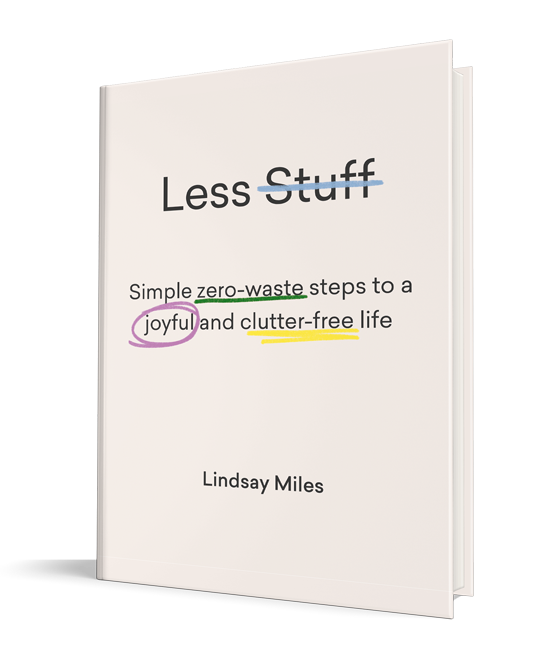
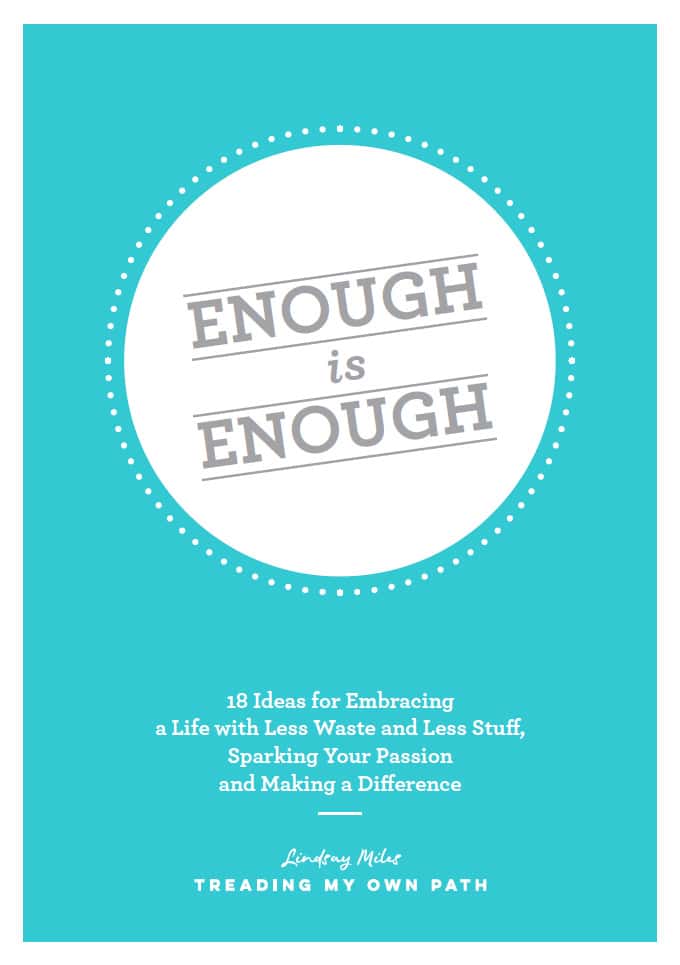
I have a book! Introducing Less Stuff

A book about changing our relationship with our things, from a zero waste perspective

The clutter filling our spaces impacts on our productivity, stresses us out, keeps us stuck and stands in the way of the lives we dream about.


Want more tips for letting go?