• Link to X
  • Link to Youtube
  • Link to Instagram
  • Link to Mail
  • Link to Facebook
Join the community and receive a free EBOOK
Treading My Own Path | Less waste, less stuff, sustainable living
  • ⌂
  • About
  • Work with me
  • Upcoming events
  • Books
    • The Less Waste No Fuss Kitchen
    • Less Stuff
  • Resources
    • Printables
    • Infographics
    • Quotes and facts
  • Explore
    • Minimalism
    • Plastic-free living
    • Real Food and Recipes
    • Zero Waste
  • Blog
  • Click to open the search input field Click to open the search input field Search
  • Menu Menu

The Future of Waste

27 Comments/in Energy, Living With Less Waste/by Lindsay (Treading My Own Path)

What would you expect from a talk about the future of waste hosted by a city that’s proud of its sustainability credentials, promotes zero waste, is working on a program to divert all organic waste from landfill, and is trying to push through a local ban on plastic bags? You’d expect a discussion on reducing waste at source, closed loops systems, community education programmes, better recycling facilities and the role of entrepreneurs in repurposing waste, surely?

You certainly wouldn’t expect to hear the case for building new incinerators as the solution to the waste problem, would you?!

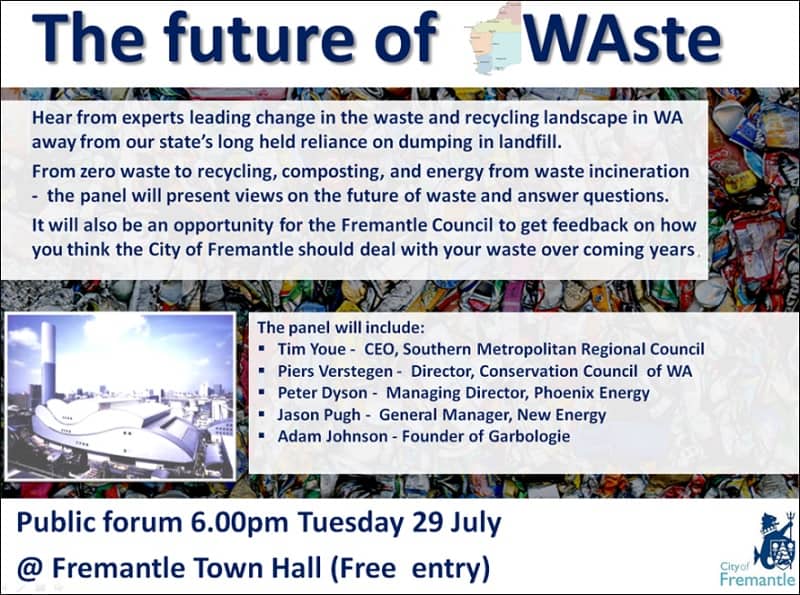
Here’s the flyer:

Waste Forum Freo Event Poster

Looking at the poster, I certainly didn’t. I was expecting an interesting discussion. What I didn’t know beforehand was that both Phoenix Energy and New Energy have applications in Perth for constructing incinerators, in Kwinana and Rockingham respectively. Not only that, but the Major of Fremantle has just come back from a trip to Japan to visit these plants, and was clearly impressed by the technology.

So what was billed as a talk about the future of waste for Perth and Fremantle became a talk about the role and benefits of incinerators, and descended into a slanging match between the pro-incinerator PR guys and the anti-incinerator community members. One of the original speakers had cancelled at short notice, and was replaced with Lee Bell from the National Toxics Network, who made the discussion far more balanced than it otherwise might have been as he was able to talk credibly about the issues incinerators have caused (and continue to cause) globally.

Before I watched Trashed, I had some idea that incinerators were bad. After that, my views were very firm and clear.

Even so, it wasn’t meant to be a discussion about incinerators…it was meant to be a discussion about the future of waste, and how to make it more sustainable! I wasn’t there to be convinced of the need for incinerators, I was there to hear ideas and solutions, new ways of doing things, how to make this idea of zero waste a reality. How to educate the public and look at changing behaviours. Positive solutions that don’t encourage wasting resources by turning them into (toxic) dust, but return them into useful production.

The Kwinana waste-to-energy plant (the more politically preferable name for an incinerator) is going to cost $380 million to build. Imagine if all that money, that $380 million, was invested in real green energy technology such as solar and wind, sustainable cradle-to-cradle product design enterprises, community waste education programmes and imaginative waste entrepreneurs who repurpose waste?!

Instead, the plan for the future is to take all that material, and turn it into (toxic) ash.

That makes me sad.

Is this really the future of waste?

[leadpages_leadbox leadbox_id=1429a0746639c5] [/leadpages_leadbox]

https://treadingmyownpath.com/wp-content/uploads/2014/06/Bin-Noir-by-Jes-via-Flickr-800px.jpg 593 800 Lindsay (Treading My Own Path) https://treadingmyownpath.com/wp-content/uploads/2019/06/logo.png Lindsay (Treading My Own Path)2014-08-05 15:16:502017-03-11 14:46:57The Future of Waste

The Last Day of Plastic Free July…and a Debrief!

12 Comments/in Living With Less Waste, Plastic Free July, Plastic Free Living/by Lindsay (Treading My Own Path)

Phew. It’s the 31st, and that means Plastic Free July is over. Everyone breathe a sigh of relief! Whether this was your first attempt at going plastic-free, or whether you’re a seasoned veteran, it’s still a tough challenge. Even as someone who has boycotted plastic for two years, I find it tough.

Why? Because it’s confronting. It makes you question your habits, your decisions, your values – and then puts you up to the test. It’s that feeling of compromise that I mention so often…wanting to do the right thing, knowing what the right thing would be, but when faced with a decision in that moment, it doesn’t seem so black-and-white.

Maybe it’s the cost. Overall I’ve found that quitting plastic has reduced my food bill, but when you’re starting out it often isn’t that way. You probably make choices for the products you buy based on cost – so when you start basing your choices on packaging, the cost can skyrocket. If you’re still shopping in your regular shop, and for your regular items, this is likely. Slowly though, as you start finding alternative places to shop and start choosing different products, your costs go back down.

Maybe it’s the time. When you’re in a routine, and you buy the same things week in, week out then you can shop without thinking. Most of us could navigate round our regular shop with our eyes closed. But suddenly we have to start again. We have to make new choices, look for alternatives, maybe find new places to shop. The time spent shopping increases (and who wants that?!). It’s easy to write it off and go back to your old ways. Remember though, habits take time to form. If you stick with it, you’ll end up with a new routine that is just as painless as the last, and one that you can do without thinking too. Give it time.

Maybe it’s your morale. At the start of a challenge, we feel excited and ready to go. As time goes on, slip-ups happen, we struggle to find what we want, we feel drained and it all feels too hard. When we feel like this, it’s tempting to give up. Remember, though…change is never easy. However, it will get easier over time. Don’t dwell on what you can’t change, focus on what you can change. Celebrate your successes. If you need time out then take it, and come back when you’re feeling ready to give it another go.

Maybe it’s your ego, resisting. I’m not talking morale here, I’m talking about your ego, your mind, your inner voice. You know the one. The voice that persuades you to eat that extra piece of chocolate cake, even though you’ve already eaten two bits and you’re really far too full! (Or is that just me…?) Plastic Free July is going really well, you’ve had no slip-ups, you’re feeling pleased with yourself and all of a sudden you have an overwhelming desire to go and buy something completely smothered in plastic. Not because you need it, or even want it necessarily: it’s your ego trying to take back control – coaxing with “why shouldn’t you?” “who cares?” and “what does it matter?”. It’s a feeling of defiance and of rebellion. At some stage, we’ve all been there. Give in, if you have to, but don’t give up. Keep persisting, and these feelings will pass.

Whatever it is, remember we are all in this together! You’re not alone. There is a growing community of people who are going plastic-free, who have ideas, tips and suggestions, can listen and offer support when you’re struggling and can celebrate with you when you finally find something you need that’s plastic free and your regular friends think you’ve gone crazy. We understand!

If you want a bit more encouragement, check out how Plastic Free July changed our lives for the better; it’s a summary of my first year of living without plastic, and all the good things that came from it!

To everyone who took part in Plastic Free July – congratulations! It doesn’t really matter how well you did or how many slip-ups you made, the most important thing is that you took part. (Hopefully you had fun, made some new friends and learnt a thing or two, too!) After all, recognising that there’s a problem, and deciding to do something about it, is the first step. The first step is always the hardest. It will get easier from here!

Now I want to hear from you! Did you take part in Plastic Free July? What was the hardest thing for you? What was the easiest? Do you have any tips for people who have yet to take part – things you learned from the experience? Please leave a comment and let me know what you think!

[leadpages_leadbox leadbox_id=1429a0746639c5] [/leadpages_leadbox]

https://treadingmyownpath.com/wp-content/uploads/2013/06/plastic-free-july-logo-banner-lge.jpg 486 971 Lindsay (Treading My Own Path) https://treadingmyownpath.com/wp-content/uploads/2019/06/logo.png Lindsay (Treading My Own Path)2014-07-31 10:50:582017-03-11 15:08:56The Last Day of Plastic Free July…and a Debrief!

Sold the Toaster, bought…an iPad?!

25 Comments/in Decluttering, Living With Less Waste, Simple Living/by Lindsay (Treading My Own Path)

Inspired by Tiny, the movie I saw a couple of weeks ago, and reinvigorated to declutter, I’ve been listing things on Gumtree this week and I’ve had some success. People want to buy my old stuff!

I’ve talked before about why I think selling stuff can be better than donating it to the charity shop. There’s no guarantee the charity shop will want it, and with electrical goods, not all places will accept them as they need to be tested. If you can find a new owner yourself, that is the best outcome from a waste point of view. If you give something away for free, it’s harder for people to say no, even if they don’t actually want it – they see a bargain!

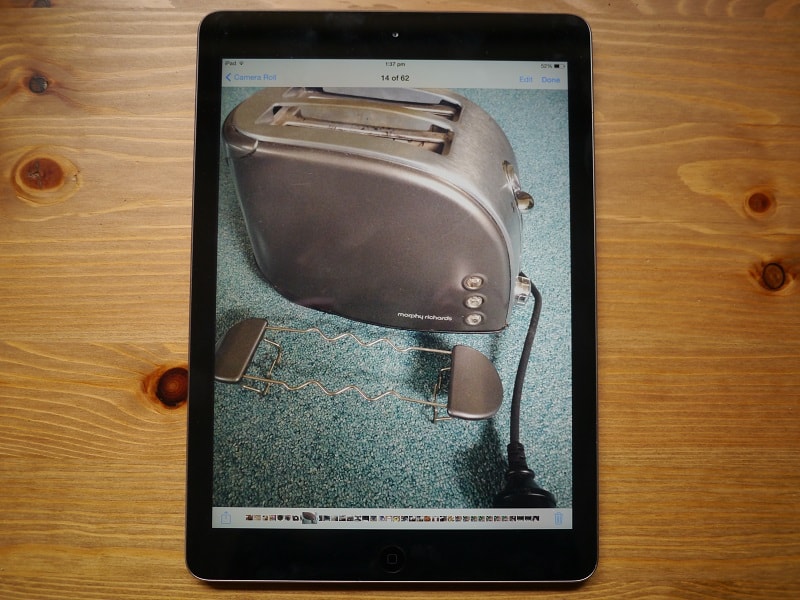
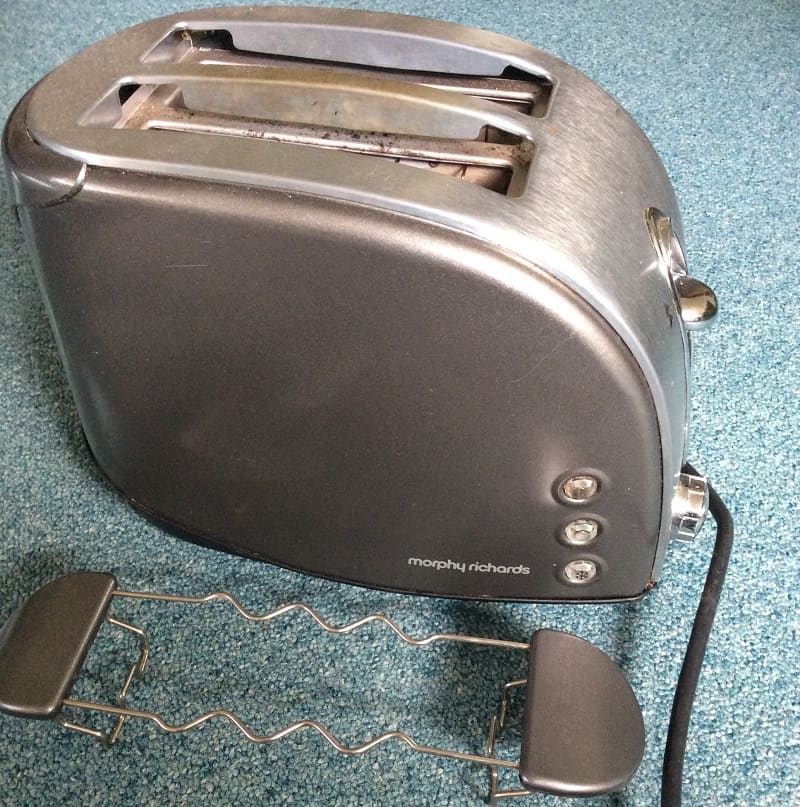
Toaster

We put the toaster in a cupboard six months ago as a test to see if we really need it. After all, we have a grill, and we had a small kitchen with limited bench space. Now we’ve moved, we have even less bench space.

BREAKING NEWS! The grill will make toast just as acceptably as a toaster! Who’d have thought it?!

We don’t eat bread very often, and when we do, the grill is perfectly adequate for our needs. I’m the kind of person who stands over the toaster, impatiently popping it up to see if the toast is ready, so having to watch over the grill isn’t a problem. It’s not like bread takes a long time to toast!

Besides the toaster, we’ve had $2 here and $3 there, and amused but happy people removing clutter from our house this week. The toaster lady was looking for a toaster for her workplace, and thought to check Gumtree before buying a rubbishy cheap one from the store. We sold our dustbuster vacuum (something my boyfriend has owned for years) which was fine for floorboards, but completely impractical for our carpeted flat. The guy who bought it had just purchased a cheap vacuum for $40. The first time he used it, it died (taking planned obsolescence to the extreme?!). So he checked on Gumtree, saw we lived round the corner and gave us $5 for ours. He was blown away by the fact he could buy a vacuum for $5! An Electrolux, no less! We were happy to be rid of it, but I also hope that these transactions inspire people to look on Gumtree or eBay for what is available second-hand before buying something new.

Which brings me to my next confession…

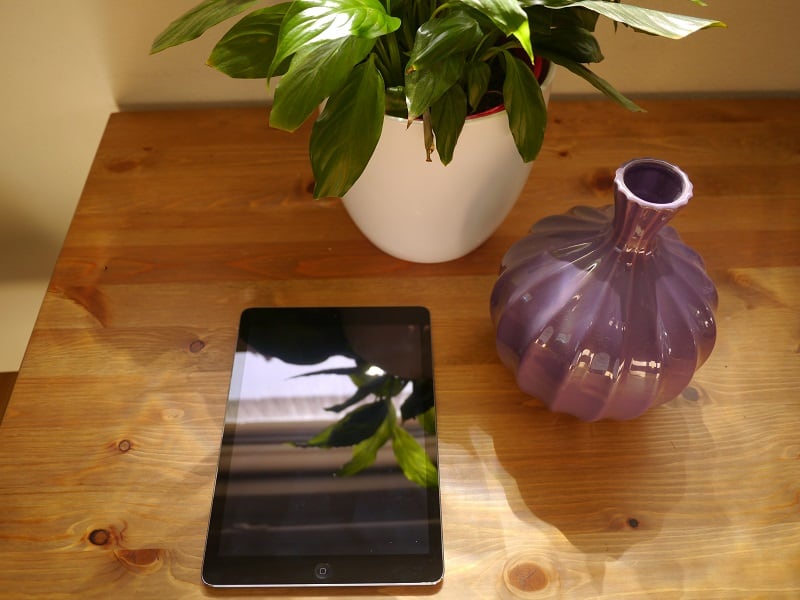
We’ve bought an iPad.

ipad

I would love to say we don’t need one, but after much debate (probably a year’s worth!) we gave in and decided to get a tablet. We only have one laptop and no TV, and my boyfriend likes to watch DVDs on the laptop. I like to use it for all my blogging, research and other projects. Rivalry!

My phone is so completely useless it barely does anything other than make calls, and I thought a tablet might be a practical alternative. Laptops really aren’t that portable, are they?

I looked at all the second hand sites, but as I was buying something that expensive (second-hand ones sell for almost as much as new ones) I wanted the guarantee it wasn’t stolen or faulty.

I actually found a compromise via the Apple Store. They sell refurbished products (my sister bought a refurbished computer from them a while back and it’s been perfect). A refurbished product is basically a pre-owned product that has been returned to the store and repaired for reselling. Buying from Apple means it still comes with a guarantee. I’d seen other stores that offer this too, but customer comments told me that replacement screens were often cheap knockoffs, and not very good, and the guarantees are much less.

I think my boyfriend was expecting a beaten-up old thing to arrive in a bashed-up cardboard box. But no, it arrived looking just like new. It even had the unhelpful plastic cover wrapped around it!

Sad face : (

Stupid plastic protective iPad Cover

Despite the plastic cover and my guilt over questionable ethics (you can read an article I wrote about ethical electronics here), I have to say, I’m actually blown away by how clever, fast and useful the tablet is proving to be! It’s much easier to read from than a laptop, it’s better for looking things up, and it means I can finally get round to learning how Twitter works! (If you’re on Twitter, follow me at @TreadMyOwnPath, and feel free to give me tips on how it all works – I’m a newbie!)

So out with the old, and in with the new. Overall we still have less than we started with, and the iPad is something we actually use, so I feel like we’re still heading in the right direction. Plus, I sold the toaster using the iPad! That’s some consolation, surely?!

What do you think? Am I just kidding myself ?! How do you feel about splashing out on new technology? More importantly, could you get rid of your toaster?!

PS Whilst the decluttering is going well, I still haven’t tackled the wardrobe. I’m putting off, I mean, putting it back to next week.  : /

[leadpages_leadbox leadbox_id=1429a0746639c5] [/leadpages_leadbox]

https://treadingmyownpath.com/wp-content/uploads/2014/07/Sold-the-Toaster-Bought-an-iPad.jpg 600 800 Lindsay (Treading My Own Path) https://treadingmyownpath.com/wp-content/uploads/2019/06/logo.png Lindsay (Treading My Own Path)2014-07-24 13:47:402017-03-11 15:06:50Sold the Toaster, bought…an iPad?!

Would You Wash Your Hair with Bicarb and Vinegar?

49 Comments/in Living With Less Waste, Simple Living, Zero Waste/by Lindsay (Treading My Own Path)

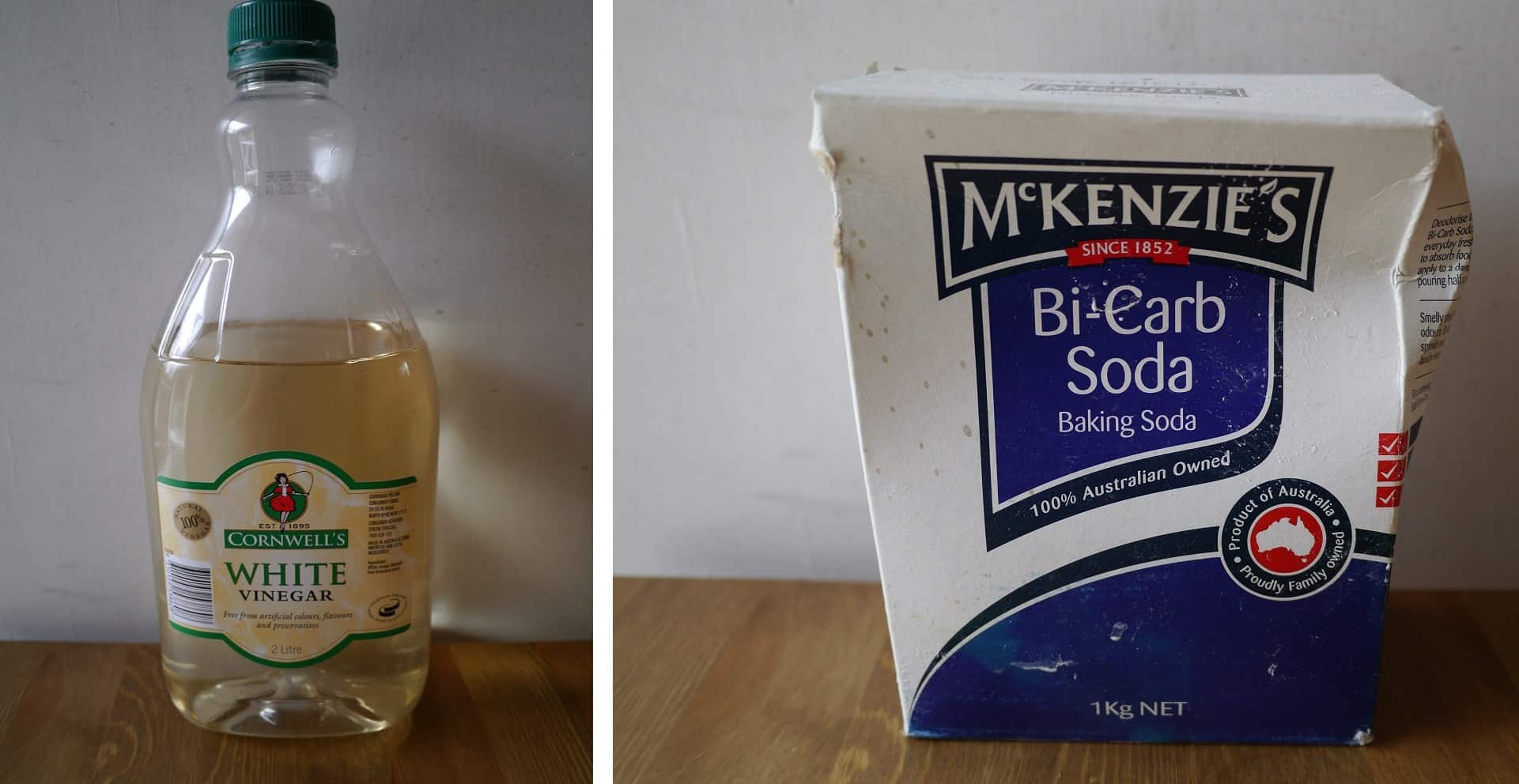
Would you switch from using regular shampoo and conditioner to washing your hair with sodium bicarbonate (also called bicarbonate of soda, bicarb soda or bicarb) and vinegar? Sounds completely crazy, doesn’t it?! Why would actually do something like that?! Well, I’m gonna tell you not only who, but also why, and…what happened when I tried it out myself!

Who Would Wash Their Hair with Bicarb?

I’m not talking about eccentric old ladies with too many cats, the ones who sit at the bus stop talking to themselves. Maybe they do too; I’ve never asked. But if you think they’re the only people who would do such a thing, you’d be mistaken.

In fact, there’s so many people on board it’s even been described as a movement. It’s called the “no poo” (as in “no shampoo”) movement, but as someone who cringes at toilet humour, I try to avoid that description! No poo is bad enough, but combined with movement…nope, I just can’t (won’t) go there. However, if you Google it, you’ll be amazed how many entries pop up!

Broadly speaking, converts fit into three groups – the environmentally conscious, the health conscious, and the thrifty. Their motives are all slightly different, but the outcome is the same – clean, shiny hair!

Kate with Bicarb Vinegar Hair

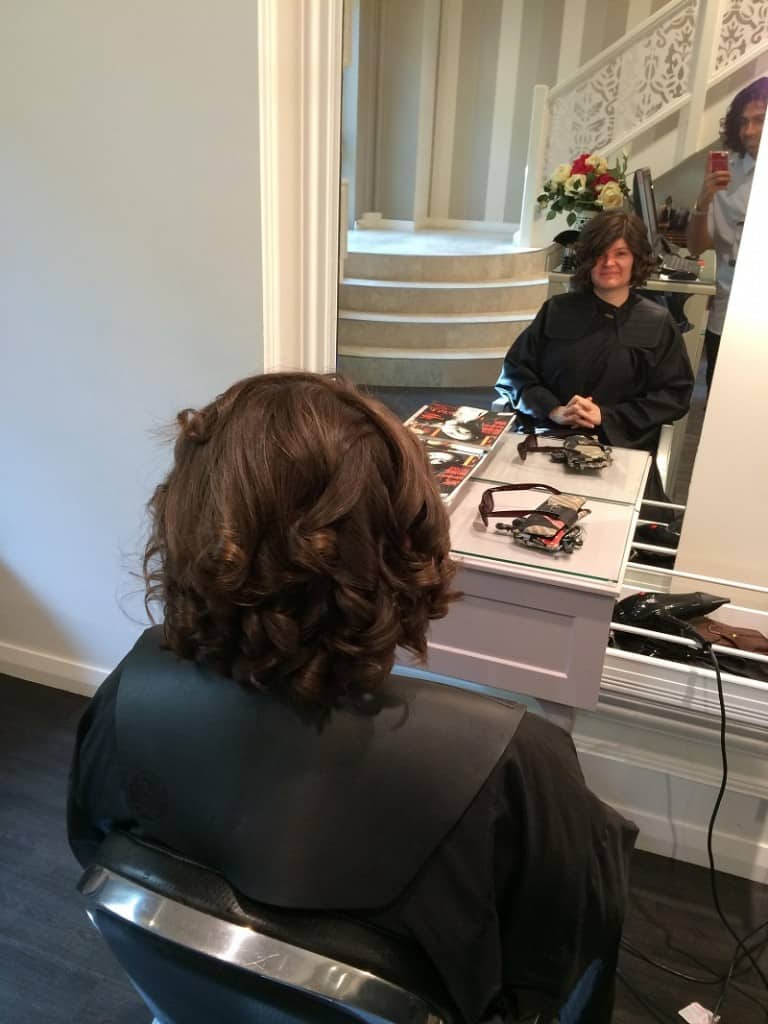
This is my friend Kate Raynes-Goldie (@OceanPark), “doing a Shirley Temple”… “Getting ready for the WA Screen awards (and to think, once upon a time I had purple hair, and pink hair, and bright orange…) But, even more exciting is that as of the time this picture was taken, I hadn’t used shampoo on my hair in over a month (sodium bicarb and apple cider vinegar, baby! ” KRG

 Why Would You Wash Your Hair With Bicarb and Vinegar?

There’s actually a whole heap of reasons.

  • Shampoos can strip natural oils from the scalp, so the scalp produces more oil to compensate. This makes more regular shampooing needed to remove the oil, and becomes a vicious cycle. Feel like your hair is constantly greasy and needs washing every day? Ironically, your shampoo may be to blame. Dermatologists found that reducing shampoo use causes oil to be produced at a lower rate.
  • Shampoos typically contain synthetic ingredients and their safety is increasingly under question. Parabens have been linked to endocrine disruption and neurotoxicity, and 1,4-dioxane has been labelled a probable human carcinogen. Sodium bicarbonate and vinegar are both completely safe – we put them in our food!
  • Silicone derivatives such as dimethicone which are added to shampoo to coat the hair and make it appear shiny and more manageable are now thought to dry the hair out because they prevent moisture entering.
  • Plastic! The majority of shampoo and other haircare products come in plastic bottles, which contribute to plastic pollution in the environment. In addition, flushing these chemicals down the drain does nothing for our waterways.
  • Bicarb and vinegar are far cheaper than the majority of shampoos and conditioners, and if you’re on a budget, can help save money.
  • It’s another way to simplify. You probably already have bicarb and vinegar in the house, so why not multi-purpose them? By replacing shampoo and conditioner you’ve got two less bottles cluttering up the house, plus that’s two less things to run out of.

What will happen to my hair?!

If you’ve been using conventional commercial shampoos for a while, chances are you’ve got a lot of residue built up on your scalp, which takes time to wash away. You’ve also got to allow your sebaceous (oil) glands to slow down once they realise you’re no longer stripping the natural oils from your head.

It can take 5-7 day for your scalp to adjust, but usually 2-6 weeks is more usual to break the cycle. During this time, your hair may seem a little greasier than usual.

My Bicarb Vinegar Experiment

So what was my experience? My experiment began on 1st June this year. I’d been thinking about it for a while, and I decided that I should give it a go before making judgement!

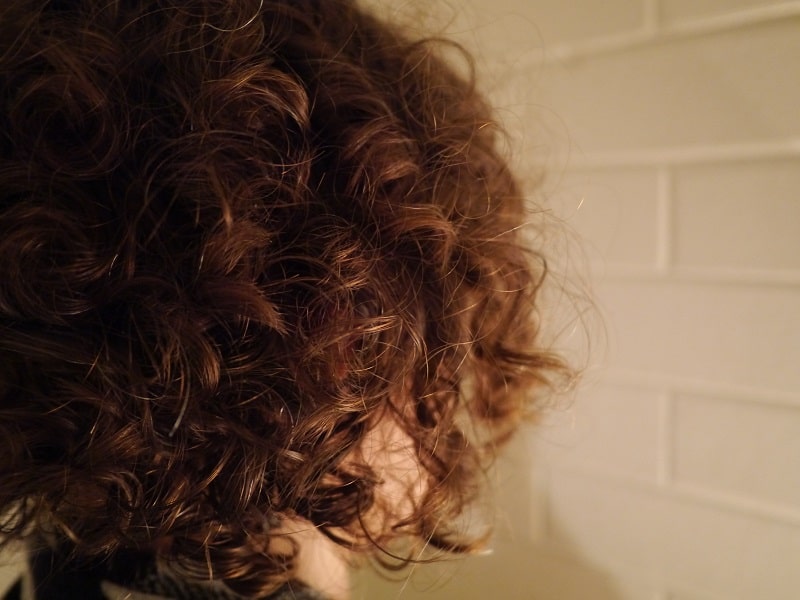
As a bit of background, I have reasonably short (maybe shoulder-length) curly hair. I haven’t used commercial shampoos and conditioners for two years; I use natural products made locally. I only wash my hair every 2-3 days – curly hair doesn’t like too much washing!

Method:

Mix a few tablespoons of bicarb with just enough water to make a paste. Rub into your scalp and work towards the ends. Leave for a couple of minutes, and then rinse out.

Mix 1/4 cup vinegar with 1 cup (warm!) water. Tip your head back and pour onto your scalp so it runs onto your hair, and rub in with your hands. Avoid getting it into your eyes – vinegar stings!

Rinse off.

Results:

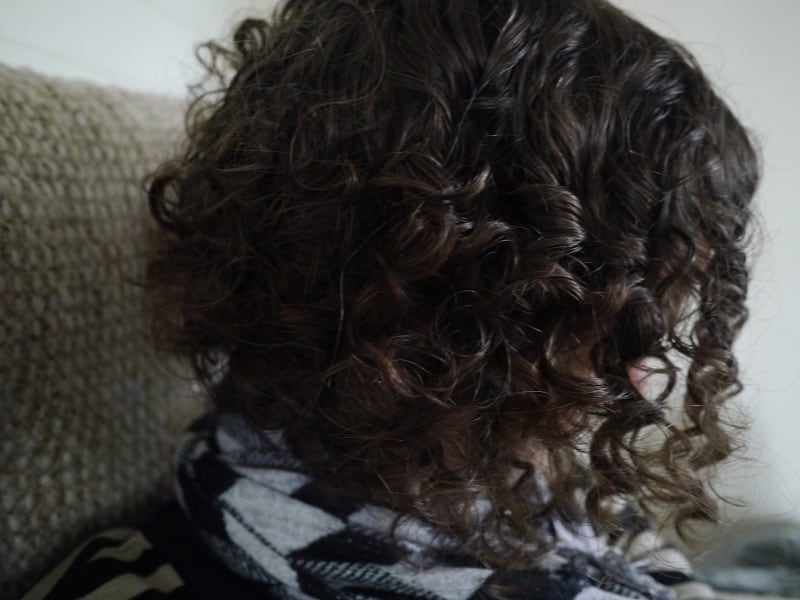
Please excuse the bad photos. There was no-one around, so I had to take them myself. Clearly I’m no master of the “selfie”…but that’s possibly a good thing…

Bicarb and vinegar hair experiment no poo just washed 2 Bicarb and vinegar hair experiment no poo just washed Bicarb and vinegar hair experiment no poo

The process was very simple, and my hair actually looked normal straightaway. There was no greasy hair, and no frizz problems. I was expecting a couple of weeks of bad hair days, but that never happened (or at least, no more than usual)!

It definitely needs washing less. Whereas before I would notice my hair getting greasy after a couple of days, now it will last three or four.

As for the vinegar smell… I read that the vinegar smell will dissipate after an hour. Not true! The first time I was paranoid that I was walking around smelling like fish and chips. I’ve since tried adding essential oils to the vinegar mix. Rose oil was too subtle and didn’t work. Lemon myrtle was a little overpowering. I’m currently using clove oil, which seems to be a good compromise. Lavender is often recommended but I really don’t like the smell. There’s plenty of options though, and they do work to mask the vinegar odour effectively.

Verdict: Overall, I think its great! I’m definitely a convert : )

Give it a Go!

Everyone’s hair is different, and just because it worked for me, doesn’t necessarily mean it will work for you…but that shouldn’t stop you trying! Why not give it a go?!

Now I want to hear from you! Do you already use the bicarb/vinegar method, and how have you found it? Did you try and admit defeat? Are you tempted…or is it something you’re still not even game to try?! I’d love it if you shared your experiences so please leave a comment below!

[leadpages_leadbox leadbox_id=1429a0746639c5] [/leadpages_leadbox]

https://treadingmyownpath.com/wp-content/uploads/2013/10/vinegar1-e1381116227317.jpg 992 1921 Lindsay (Treading My Own Path) https://treadingmyownpath.com/wp-content/uploads/2019/06/logo.png Lindsay (Treading My Own Path)2014-07-22 12:10:432017-03-11 15:05:49Would You Wash Your Hair with Bicarb and Vinegar?

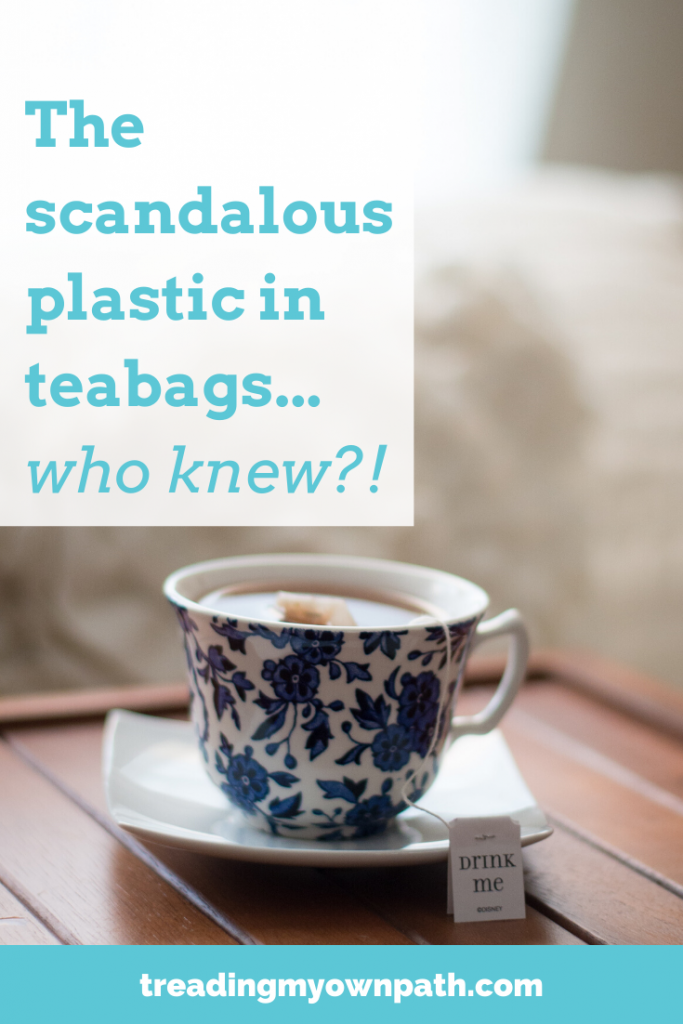
The Scandalous Plastic in Tea Bags – Who Knew?

193 Comments/in Living With Less Waste, Plastic Free Living/by Lindsay (Treading My Own Path)

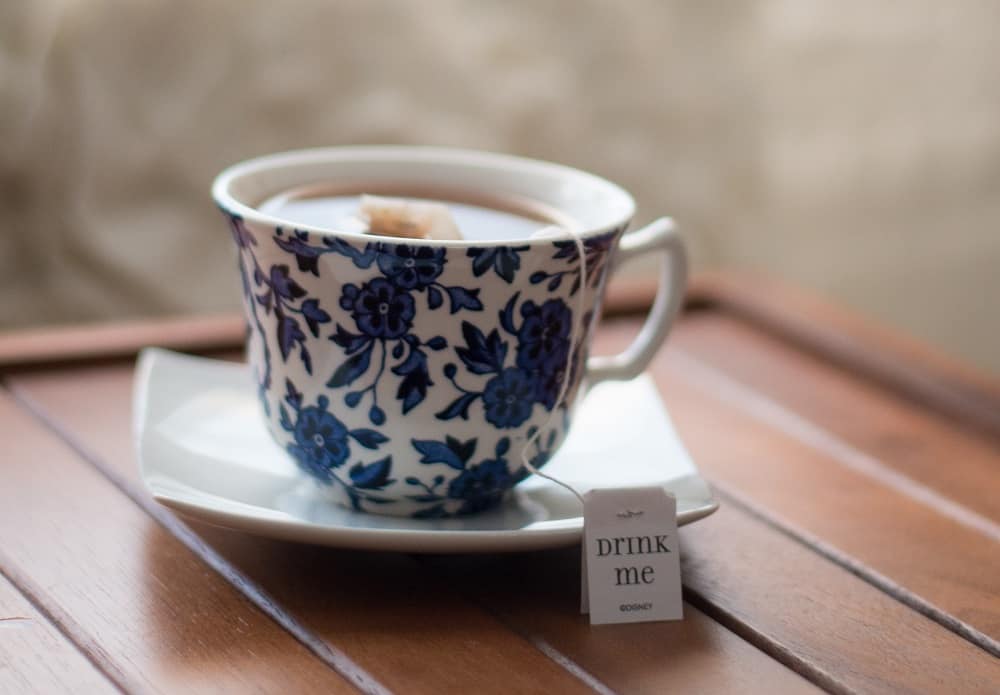
Oh tea-bags, you innocent-looking things, you. Thinking that just by turning yourselves into a delicious cup of tea I wouldn’t question you. In fact, I didn’t question you. Luckily for me, others did, which led me to this revelation: teabags contain plastic.

Last July I decided to switch to loose leaf tea because I found it hard to find teabags that were plastic-free. By plastic-free, I mean teabags in boxes neither smothered in plastic on the outside, or teabags wrapped in plastic inside the box instead. I also got thinking about how wasteful teabags were compared to loose leaf tea, and how much better the latter tastes.

But not once did it occur to me that the majority of teabags are actually made with plastic.

The First Revelation: Teabags Contain Plastic

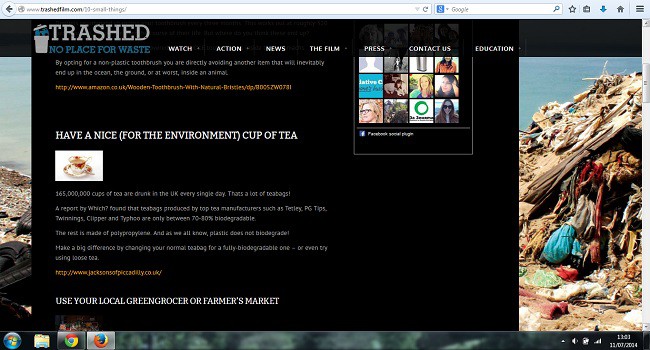
Browsing the Trashed website (read my review of this powerful documentary), I came upon the list “10 Small Things”. Nestled between “Use a wooden toothbrush” and “Shop at the Farmers’ Market” (both things I’ve discussed here many times!), I found this: “Have a nice (for the environment) cup of tea”. It turns out that teabags are actually only 70-80% biodegradable because they also contain polypropylene!

Not only that, but apparently 165 million cups of tea are drunk in the UK alone every day. So whilst the plastic in one teabag might seem negligible, all those cups of tea are actually contributing surprisingly to plastic waste.

Trashed Movie 10 Small Things

Sneaky screengrab from the Trashed film website: One of their ten tips for reducing waste is using loose leaf tea – because teabags contain plastic!

Revelation Two: Almost ALL Teabag Manufacturers Use Plastic in their Teabags

Feeling like an investigative journalist, I dug out the 2010 Which? article which found that the majority of teabags, including those by PG Tips and Teadirect, contained polypropylene (plastic #5). In fact, they only found one brand that didn’t: Jacksons of Picadilly. A Guardian article also published in 2010 stated that (according to the UK Tea Council) 96% of those 165 million cups of tea drunk in the UK every day were made with teabags. It also revealed that Twinings, Clipper, Tetley and Typhoo also make their teabags using plastic.

Twinings! I was so pleased last year when I thought I’d finally found a plastic-free brand of teabag. Now I find that they may not use plastic in their packaging but they’re using it in the actual teabag!

Something else caught my eye in the article, and it made me really mad. It’s a quote from Teadirect’s Whitney Kakos (who according to the internet, was the Sustainability Manager for Teadirect in 2010). She said: “Most consumers don’t notice [the polypropylene] and probably don’t care.”

Well I’ve noticed, and I care, and I don’t think I’m the only one!

Revelation Three: The Research is OLD but the findings are CURRENT

These articles were written in 2010, which was four years ago, so it’s possible that things have changed. Whilst I was busy researching all of this, by chance (or destiny?!) another plastic-free blogger @Westywrites was doing her own research into teabags, and contacting all the companies in question asking whether they still use plastic in their teabags.

Not writing letters and sitting patiently for a reply, she was straight onto Twitter to find out what was going on.

Here’s what she asked:

[Dear Tea Company] Can you please let me know if you use plasticisers, or a similar material, in your tea bags? Thank you.

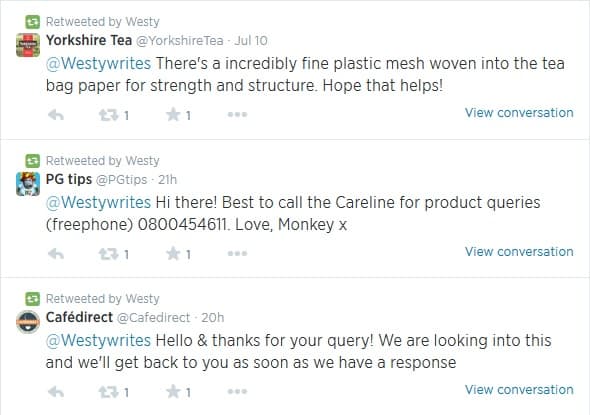
Here are the answers (so far):

Plastic Teabags Twitter

(There’s since been a phone call to PG Tips, who confirmed that yes, their teabags contain plastic).

Revelation Five: The World’s gone Mad

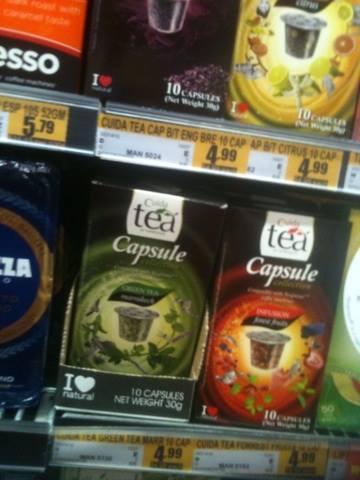
This is the final revelation: something I discovered yesterday. You can now buy tea in individual plastic pods (like the coffee pods)!

Tea pods

Individual portions of tea in individual single-use plastic pods. What a waste. Photo borrowed from my friend Amy.

These aren’t teabags containing plastic, they’re worse! Individual plastic pods with single portions of tea! What’s wrong with the world? How hard is it to use a teabag? A plastic-free one, actually, might be fairly hard. Okay then, how about just using a teapot and strainer?!

 The Solution: Drink Loose Leaf Tea!

The best zero-waste option for tea drinkers everywhere is to make the switch from teabags to tea leaves. The tea is superior quality and tastes far better, and you’re helping keep plastic out of the environment.

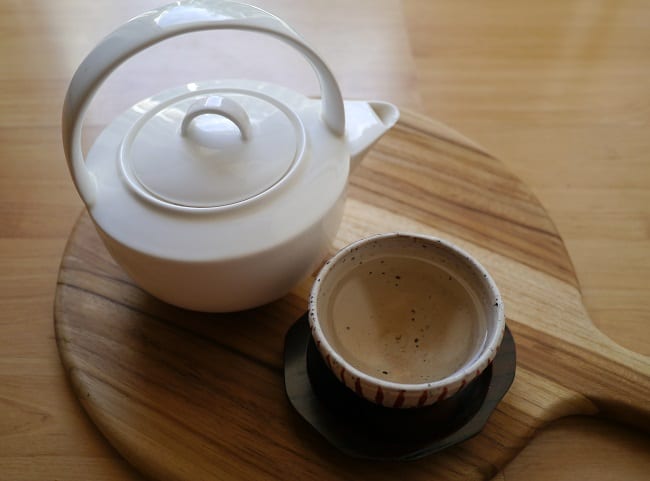
Use a teapot, brew some proper tea leaves and enjoy a refreshing plastic-free cup of tea. Just remember to use a strainer!

Use a teapot, brew some proper tea leaves and enjoy a refreshing plastic-free cup of tea. Just remember to use a strainer!

Now I want to hear from you! Did you know that teabags contained plastic? Are you as mad as me about this?! Do you use teabags or are you already a loose leaf tea drinker? Please let me know your thoughts in the comments!

Footnote – Because of the popularity of this post, I wrote another in 2018 with more details as to exactly what is in each type of teabag, and how you can tell if they contain plastic or not. More details here.

[leadpages_leadbox leadbox_id=1429a0746639c5] [/leadpages_leadbox]

https://treadingmyownpath.com/wp-content/uploads/2014/07/Treading-My-Own-Path-Tea-Bag-Plastic.jpg 695 1000 Lindsay (Treading My Own Path) https://treadingmyownpath.com/wp-content/uploads/2019/06/logo.png Lindsay (Treading My Own Path)2014-07-11 15:00:082019-12-21 17:20:29The Scandalous Plastic in Tea Bags – Who Knew?

A Movie Review: Trashed

7 Comments/in Living With Less Waste/by Lindsay (Treading My Own Path)

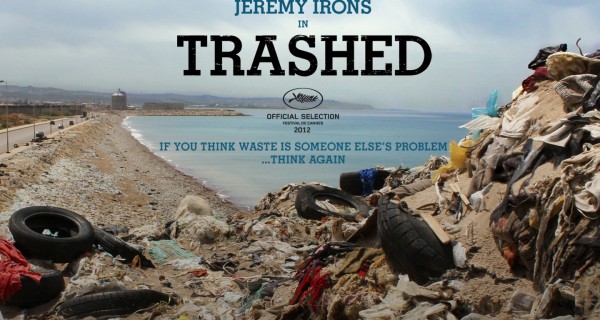
On Tuesday night I went to a movie night hosted by Transition Town Guildford for the documentary Trashed. Released in 2012 and featuring Jeremy Irons, Trashed explores the extent of the global waste problem, and the consequences – including pollution in beautiful and uninhabited environments, the health risks to animals, humans and children, and the contamination of the oceans.

When I say ‘explores’, this movie does not just skim the surface. It gets right in there. It’s a powerful film, and it gets the point across that we need to change the way we do things. If you’re not convinced before the film, you won’t be left with any doubt afterwards that waste is a serious problem – and it affects all of us.

Featuring farmers from France and Iceland, hospital works in Vietnam, and waste disposal sites in the UK, Lebanon and Indonesia, it is clear that this is a global issue.

Here’s the trailer:

I loved the message, the depth of the science and the exploration of the facts. It was hard-hitting and some people, particularly those who aren’t already aware of the issues surrounding waste may find it pretty confronting. They tried to end on a positive note, bringing the movie back from the feeling of impending doom, with just enough positivity for the audience to leave without feeling like it was all too hard and all too much. But only just.

My only real criticism was the lack of exploration of the issues surrounding recycling. Clearly there wasn’t space to cover everything, but I felt that plastic recycling in particular could have been further addressed. At the end of the film they show huge bales of plastic waiting to go to China (from San Fransisco) for recycling, but no mention is made of the issues of transporting huge amounts of plastic across the ocean, nor the hazardous processes involved with recycling the plastic in countries with less stringent safety regulations.

Particularly after they talked in length of the dangers of burning waste, I felt this was a glaring omission.

The other interesting point is that this segment of the film was recorded in 2009. Back then, China was a huge buyer of plastic waste, but the plastic shipments were often contaminated with non-recyclable plastic and other debris, and in February 2013 China has cracked down on this with Operation Green Fence, meaning all plastics must be washed and uncontaminated. All shipments are inspected on arrival, and if they are contaminated they are sent back, with the sender incurring the cost. In the first 3 months, 7600 tons of waste were rejected.

I’d definitely recommend watching it, but if you’re new to the issues of waste, you might find it gentler starting with the Clean Bin Project or my all-time favourite, Bag it!.

If you’re interested in hosting a screening of your own, you can find the details on the Trashed website.

Have you seen this movie? What did you think? Did you find it motivating, or did you think they stepped over the line into Doomsday-ville? If you haven’t seen it, what were your thoughts after watching the trailer? Leave me a comment; I’d love to hear what you think!

[leadpages_leadbox leadbox_id=1429a0746639c5] [/leadpages_leadbox]

https://treadingmyownpath.com/wp-content/uploads/2014/07/trashed.jpeg 320 600 Lindsay (Treading My Own Path) https://treadingmyownpath.com/wp-content/uploads/2019/06/logo.png Lindsay (Treading My Own Path)2014-07-10 09:34:542017-03-11 14:57:09A Movie Review: Trashed

How to Get Candle Wax out of Glass Jars

14 Comments/in How to..., Living With Less Waste/by Lindsay (Treading My Own Path)

You’ve probably seen pictures on Pinterest or elsewhere of jam jars holding candles and tealights and looking oh so magical. Magical, yes, but are they practical? By that I mean, how on earth do you clean the glass jars afterwards?!

I’m not really into candles. I’m definitely not into conventional tealights, those mass-produced paraffin (petroleum-based) white wax versions. Nor am I keen on soy-based candles, because unless it is clear where and how the soy is grown (and it usually isn’t clear) it could be contributing to rainforest destruction and population displacement. Plus, those soy tealights are often housed in polycarbonate casings – and that means single-use plastic! Beeswax would be my preferred choice, but beeswax is expensive. Besides the expense, I think they make surfaces look cluttered and just gather dust. I think candles are a luxury that I just don’t need.

Last weekend, though, I splashed out and bought some candles. We had some friends around at the weekend for a belated housewarming – it is pretty exciting to be able to get more than four people in the flat at once (that’s all the old place could handle). However, the light in our flat isn’t ideal in the evening, so my boyfriend decided it would be good to get some candles. Yes, it was his idea! We borrowed two lamps from his parents, and I bought some beeswax candles to put in glass jars.

I was determined to reclaim my glass jars once the candles had burned out. I used wide-neck jars (so I could get my hand in there afterwards), and put each candle in an upturned jam jar lid, which I thought would neatly capture all the wax

Turns out I know nothing about candles. Once they had burned out, the wax had spilled over the jam jar lid and glued it to the bottom of the jar, along with so much melted wax it was ridiculous.

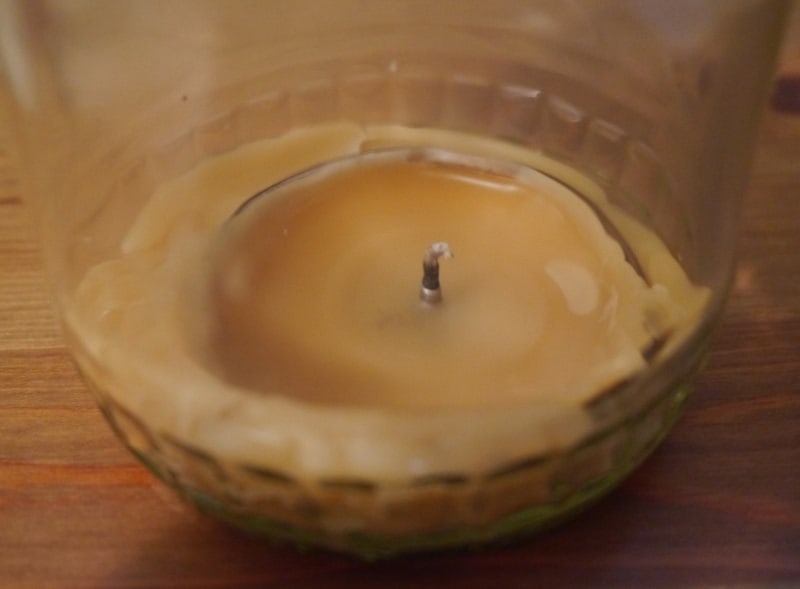
Melted beeswax candleThis is what my poor glass jar looked like. The wax looked well and truly molded in there. But I wasn’t chucking it away without a fight. Oh no!

I had visions of boiling the jar in a pan to release the oil and other complicated and hazardous methods for removing the wax, but I thought I should check with the internet first, and I came across a far simpler alternative. So simple, in fact, that I wasn’t entirely convinced it would work.

Put the jar in the freezer.

Yep, that’s it. Apparently the wax shrinks slightly when frozen, just enough to loosen it from the glass.

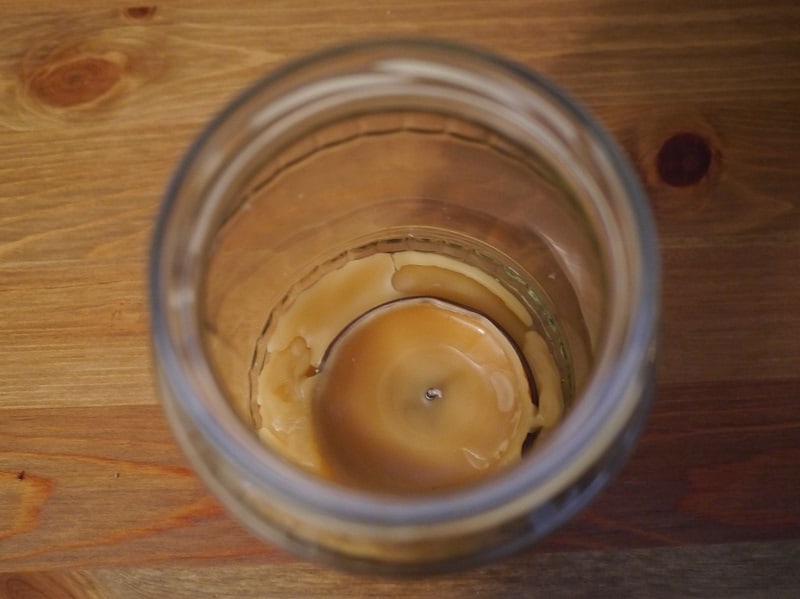
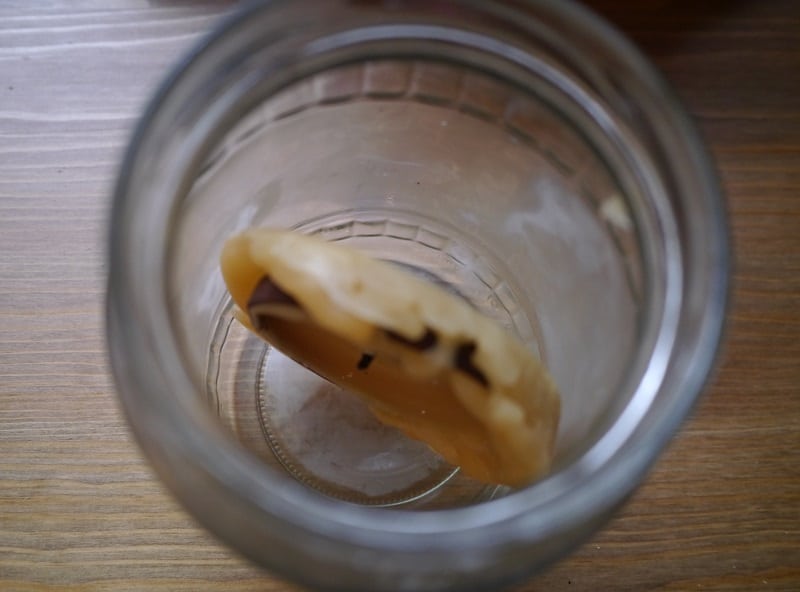
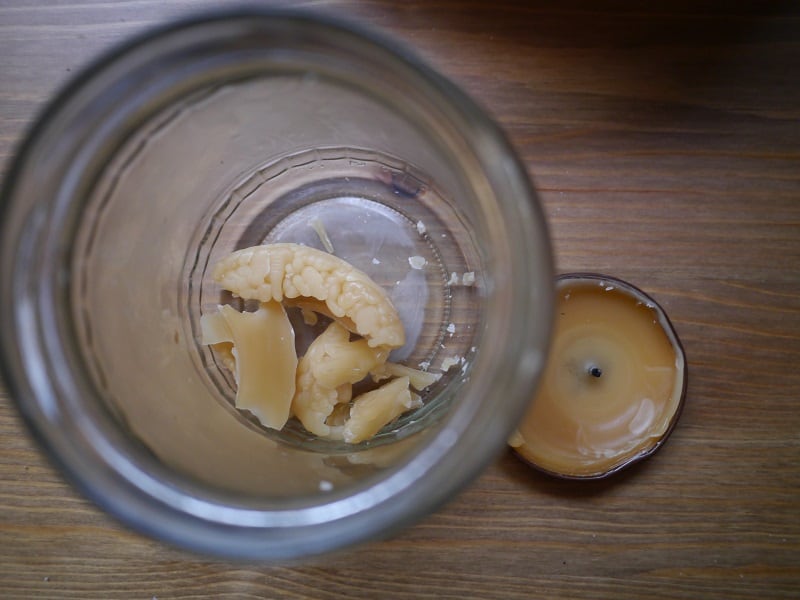
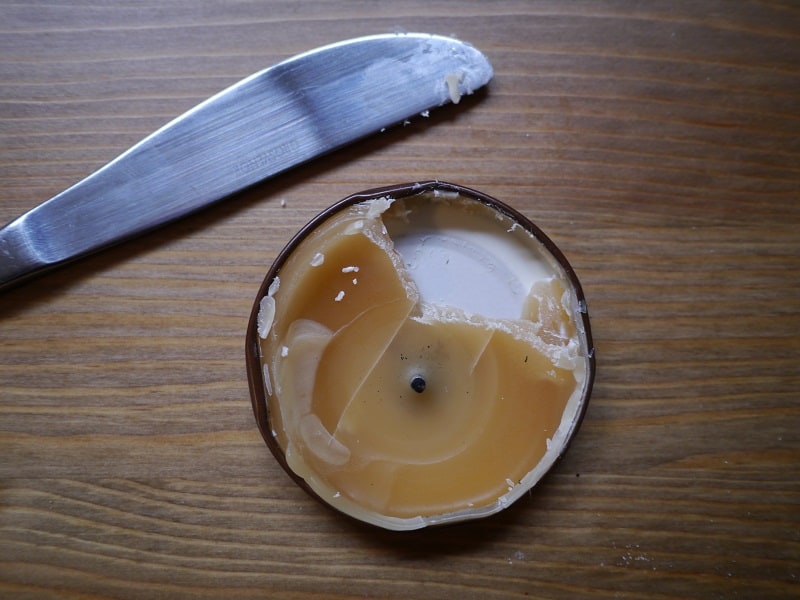
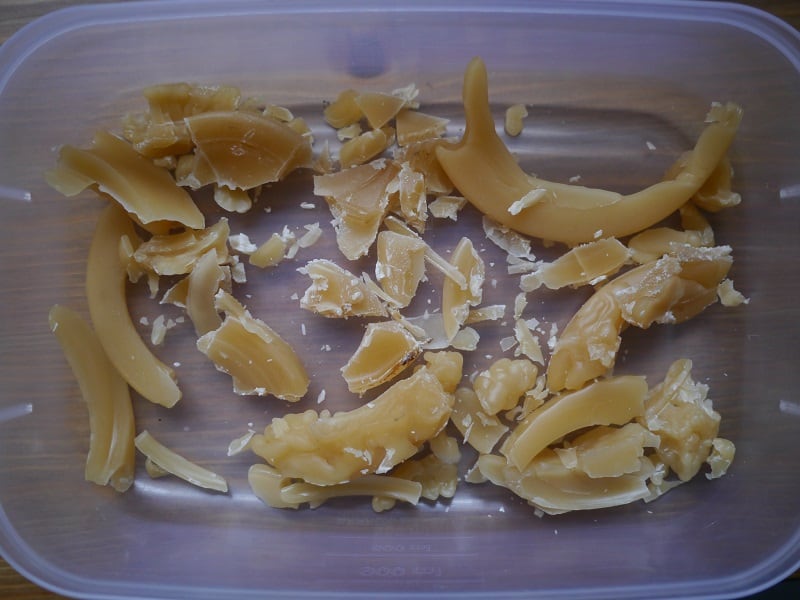
So I stuck the jar in the freezer for an hour. This is what happened:

melted beeswax candle in a glass jar Freezing melted beeswax to remove from a glass jar Removing melted beeswax from a glass jar frozen melted beeswax leftover melted beeswax

I did use a knife to dislodge the wax, but it came out very easily. The wax is very brittle, and shatters. I’m keeping the leftover wax (HOARDER ALERT!) for the time being, as it is expensive to buy. Who knows, maybe I can make my own candles? Erm…or maybe not.

If I buy candles again, I don’t think I’ll bother placing it on a jam jar lid. It’s probably an unnecessary step.

I am so excited about this trick that I thought I’d share it with you. You know me, I love zero waste, and I also like it when you try something for the first time and it actually works! Apologies if you’re not into candles…then again, neither was I four days ago. But now, maybe I’m going to become a candle person after all.

[leadpages_leadbox leadbox_id=1429a0746639c5] [/leadpages_leadbox]

https://treadingmyownpath.com/wp-content/uploads/2014/07/candles-in-jars.jpg 666 1000 Lindsay (Treading My Own Path) https://treadingmyownpath.com/wp-content/uploads/2019/06/logo.png Lindsay (Treading My Own Path)2014-07-08 15:48:142017-03-11 14:56:21How to Get Candle Wax out of Glass Jars

Compostable plastics and bioplastics – and why they aren’t the “green” solution

25 Comments/in Living With Less Waste, Plastic Free Living, Zero Waste/by Lindsay (Treading My Own Path)

Bioplastics and compostable plastics are sold to us as a green, sustainable solution. The solution to what, exactly? A solution to the tons of rubbish we send to landfill every year? A reduction in our dependence on fossil fuels? A safe alternative to the hazardous chemicals we add to conventional plastics? Actually, not quite. There’s a lot more controversy to these new plastics than you might think. Did you know that some bioplastics aren’t actually biodegradable, or even recyclable? Did you know that some compostable plastics are actually made from fossil fuels? Did you know that these plastics still require additives to infer specific properties (and to encourage degradation), and these additives may still be toxic?

Confused?

So was I. Fortunately, after a heck of a lot of reading and research, I’m feeling a lot clearer about it all, and hopefully after reading this, you will be too.
First up… Bioplastics

Bioplastics are plastics made from plants. That is all it means. Bioplastics may or may not be biodegradable, may or may not be compostable, and they may or may not be toxic as a result of other chemicals used in their manufacture.
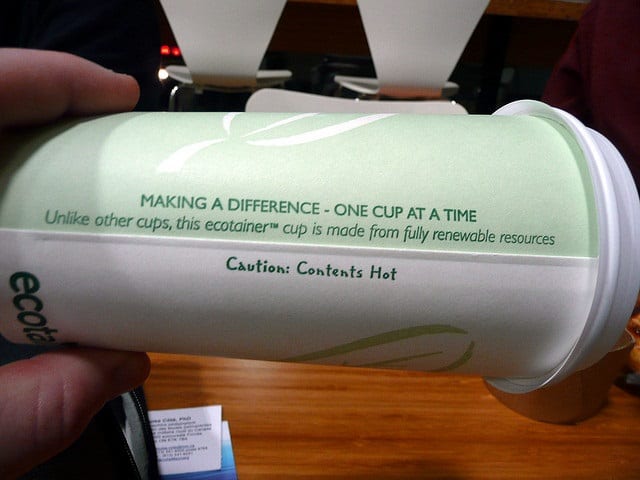
Photo credit: Kingstonist.com via Flickr.

Photo credit: Kingstonist.com via Flickr. Making a difference…what does this statement mean? Is it biodegradable? Compostable? Recyclable? Messages like this are confusing!

The Terms: Biodegradable vs Degradable

Biodegradable means capable of being broken down by bacteria or other living organisms and returning to compounds found in nature. Degradable means capable of being broken down into smaller pieces. This is not the same as biodegradable. Photodegradable means capable of being broken down into smaller pieces by sunlight. Plastic generally breaks down into microplastics that do not break down further. Most plastics are therefore degradable, but not biodegradable.
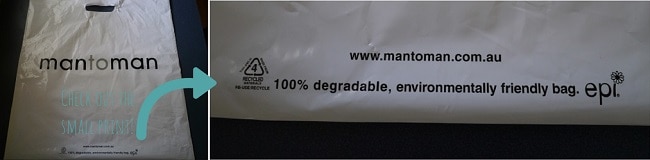
Plastic #4 (LDPE or low density polyethylene) is made from fossil fuels; it is not biodegradable ,it is not compostable and it is not commonly recycled. Yes, it will degrade over time into thousands of micro pieces of plastic. How is that environmentally-friendly?

Plastic #4 (LDPE or low density polyethylene) is made from fossil fuels; it is not biodegradable, it is not compostable and it is not commonly recycled. Yes, it will degrade over time into thousands of micro pieces of plastic. How is that environmentally-friendly? Beware of greenwashing!

More Terms: Compostable vs Biodegradable

Compostable means capable of breaking down in a compost pile. Compostable plastic [as defined by the plastics industry] is “that which is capable of undergoing biological decomposition in a compost site such that the material is not visually distinguishable and breaks down into carbon dioxide, water, inorganic compounds and biomass at a rate consistent with known compostable materials”.  ‘Carbon dioxide, water, inorganic compounds and biomass’ technically includes every substance in the known universe and this definition allows compostable plastic to leave toxic residues whilst still being classified as compostable.

A plastic may be biodegradable but not compostable, meaning it will break down more slowly than would be expected in a compost pile, and may not disintegrate.

Commercial Composting vs Home Composting

Compostable bioplastics may require industrial composting facilities to break down. This means an active composting phase of a minimum of 21 days, with temperatures remaining above 60ºC for at least 7 days, and regular turning. Industrial composting works much faster and better than home composting systems, which generally do not reach the same high temperatures and are not regulated.

It is not always clear with compostable packaging whether an item can be composted at home or whether it needs an industrial composting system, and whether such systems exist. BioPak cups state “compostable and biodegradable” on their packaging, but a quick look at their website finds the disclaimer “BioCup are compostable in a commercial compost facility; however this option is not widely available in Australia”. This means most BioCups used in Australia will end up in landfill, where they won’t break down.
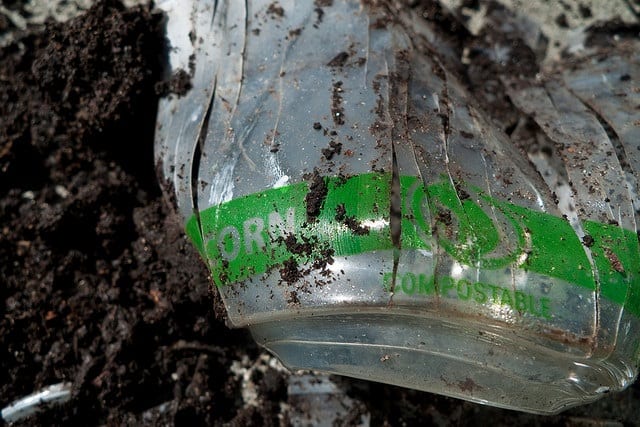
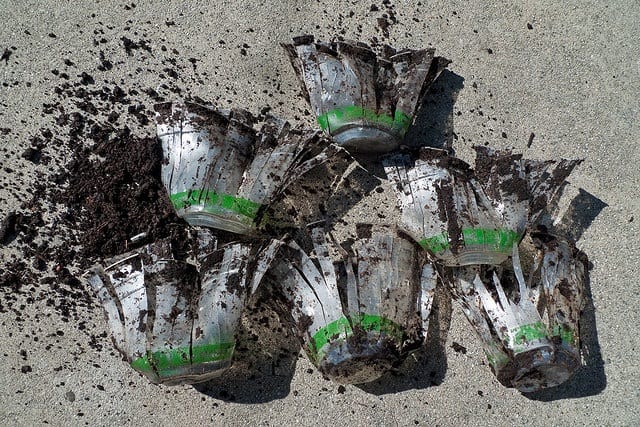
Corn compostable cup after 2 years of composting

Compostable Corn Cups After 2 Years in a Compost Bin

Photo credit: Zane Selvans via Flickr. These Caltech cups are made from corn-based plastic. Caltech don’t compost these themselves (so most will be sent to landfill). To see how compostable they were, Zane put six of the cups in his very active compost pile at home (which reached 70°C a couple of times) and left them for two years. After two years, this is what they looked like.

Biodegradable Plastic

There are two categories of biodegradable plastic, and only one is made from plant materials (bioplastic). The other one is made from petrochemicals (this means fossil fuels).

Oxo-biodegradable plastic is a petroleum-based plastic made from fossil fuels (usually oil and natural gas) with metal salt additives that enables the plastic to degrade when subject to certain environment conditions. This is a two-stage process: following fragmentation, the plastic biodegrades by the action of microorganisms.

Some critics argue that oxo-biodegradable plastics are not actually biodegradable at all, because it is not clear how microorganisms actually break down the microplastics. If polymer residues remain alongside biomass, this would be disintegration rather than biodegradation.

Hydro-biodegradable plastics are plastics made from plant sources such as starch. Hydro-biodegradable plastics tend to degrade and biodegrade somewhat more quickly than oxo-biodegradable ones but the end result is the same – both are converted to carbon dioxide, water and biomass. Hydro-biodegradable plastics can be industrially composted.

PLA (polylactic acid) is the most commonly used bioplastic (polylactic acid) and costs 20% more than regular plastic. PHA (polyhydroxyalkanoate) is a more temperature resistant bioplastic, and the only bioplastic that will decompose in soil and waterways, but it is more than double the price of regular plastic and less common. PLA will not biodegrade in waterways or the ocean.

 What about Recycling?

Oxo-biodegradable plastics cannot be recycled.

The bioplastic PLA can, in theory, be recycled. However, it is grouped under the plastic resin code #7, or “other” along with all other plastics that do not fit into the 6 major plastic types. (Click here to read about the different plastic categories in more detail). This means it needs to be separated from the regular recycling stream which requires technology such as infrared to be sorted correctly. In fact, PLA plastics often contaminate other plastic recycling steams.
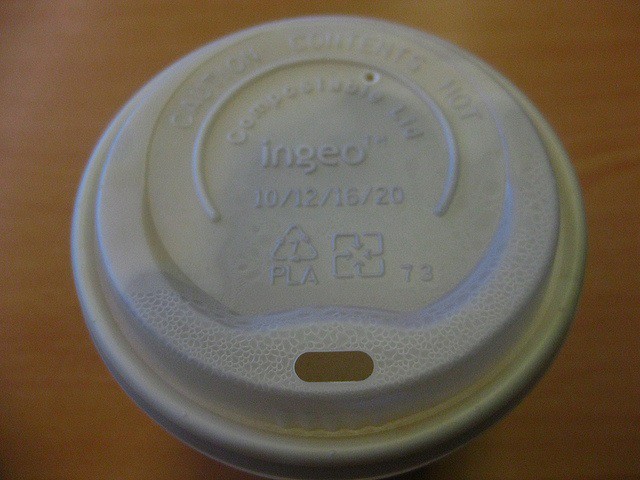
Photo credit: Fiona Moore via Flickr. A PLA 'Ingeo' bioplastic lid. Plastic type #7 (or 'other') is not recyclable.

Photo credit: Fiona Moore via Flickr. A PLA ‘Ingeo’ bioplastic lid. Plastic type #7 (or ‘other’) is not recyclable.

Additives

As with other plastics, bioplastics still require additives to infer specific properties, and these additives may not be biodegradable, or tested for safety. Natureworks, the largest manufacturer of PLA in the world, state on their website “Although PLA has an excellent balance of physical and rheological properties, many additives have been combined with it to further extend the range of properties achievable and thus optimize the material for specific end use applications.” For bottles made with their PLA ‘Ingeo’ plastic, Natureworks suggest these “basic” additives are used:

  • Toner and colourant: without additives ‘Ingeo’ is slightly yellow, and adding a toner can make the plastic colourless and more appealing to customers. Alternatively they may be used to make the plastic a different colour.
  • A reheat additive can be used to make the heating process more efficient whilst molding the bottles.
  • A UV Blocker will be required if the product is sensitive to UV light, or in order to prolong shelf life.
  • Oxygen absorbers can be added to protect products sensitive to oxygen.
  • A slip or process aid can be added to help prevent bottles scuffing and scratching during manufacture, packing and transport.

Anything else?

Manufacturing bioplastics is a complicated and energy-intensive process, and still depends on fossil fuels. In addition to the manufacturing processes themselves, energy is required to power farm machinery needed to sow and harvest crops used as the raw materials, and also for transportation. Fossil fuels are also used to make fertilisers and pesticides to used to increase crop yields.

Another question often raised is whether it is appropriate to use vast areas of land suitable for agriculture to grow crops to make plastic rather than for food production.

What about genetically modified food? NatureWorks, the largest PLA producer in the world, is an American company that uses corn to manufacture bioplastic. 30% of all corn grown in the USA is genetically modified, meaning GM corn is used in the manufacture of NatureWorks bioplastic. Whilst the final products are chemically altered and free from GM products, these bioplastics are still supporting the GM industry.

The Verdict?

Whether we’re talking conventional plastics or bioplastics, there’s nothing green or sustainable about using these materials for a matter of minutes and then throwing it away. Whilst bioplastics may have the potential to be composted and decrease the landfill burden, their manufacture and transportation is still hugely dependent on fossil fuels, and they still contain undeclared additives that may leach into our food, or our soils. The reality is that most of these bioplastics don’t end up in composting facilities, but head to straight to landfill, or worse, end up as litter.

If you truly want to be sustainable, don’t use plastic, and don’t use bioplastics either, especially for single-use disposable items. Simply bring your own.

[leadpages_leadbox leadbox_id=1429a0746639c5] [/leadpages_leadbox]
https://treadingmyownpath.com/wp-content/uploads/2014/06/biocup.jpg 900 1218 Lindsay (Treading My Own Path) https://treadingmyownpath.com/wp-content/uploads/2019/06/logo.png Lindsay (Treading My Own Path)2014-06-26 12:11:202019-12-23 11:54:24Compostable plastics and bioplastics – and why they aren’t the “green” solution

Zero Waste Week: the Finale

32 Comments/in Living With Less Waste, Plastic Free Living/by Lindsay (Treading My Own Path)

Phew. That was an interesting week, but I’m glad it’s over!

What do you think?!

Before I go into what’s in all the bins in a little more detail, I thought I’d start with the positives and share some of the good stuff we managed to do.

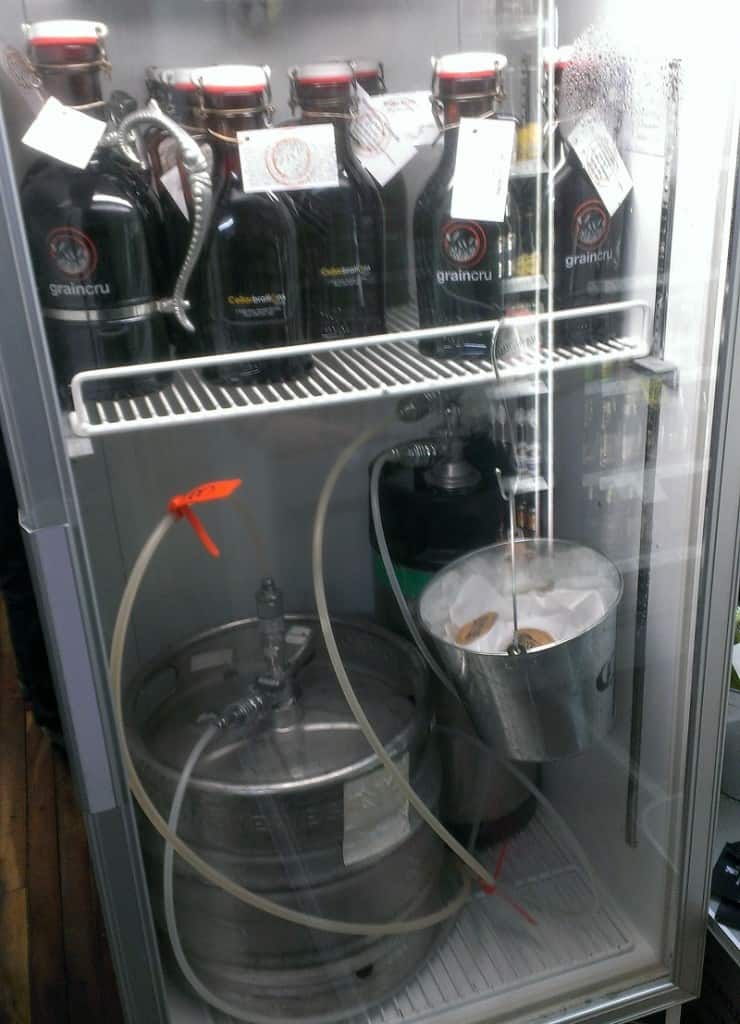
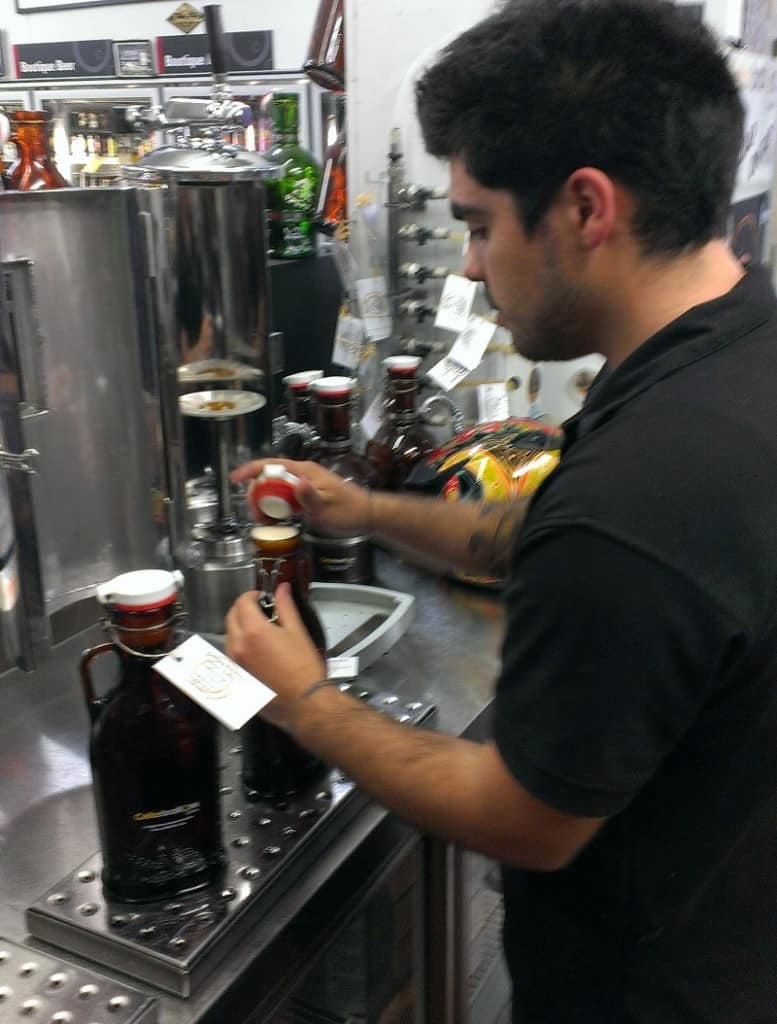
Firstly, I want to tell you about our Zero Waste beer discovery. We went to a friend’s birthday a couple of months back and met a guy who was really into his beer, and had his own draught beer in refillable bottles. I don’t drink beer but my boyfriend does, and I love zero waste, so I got chatting to him about it.

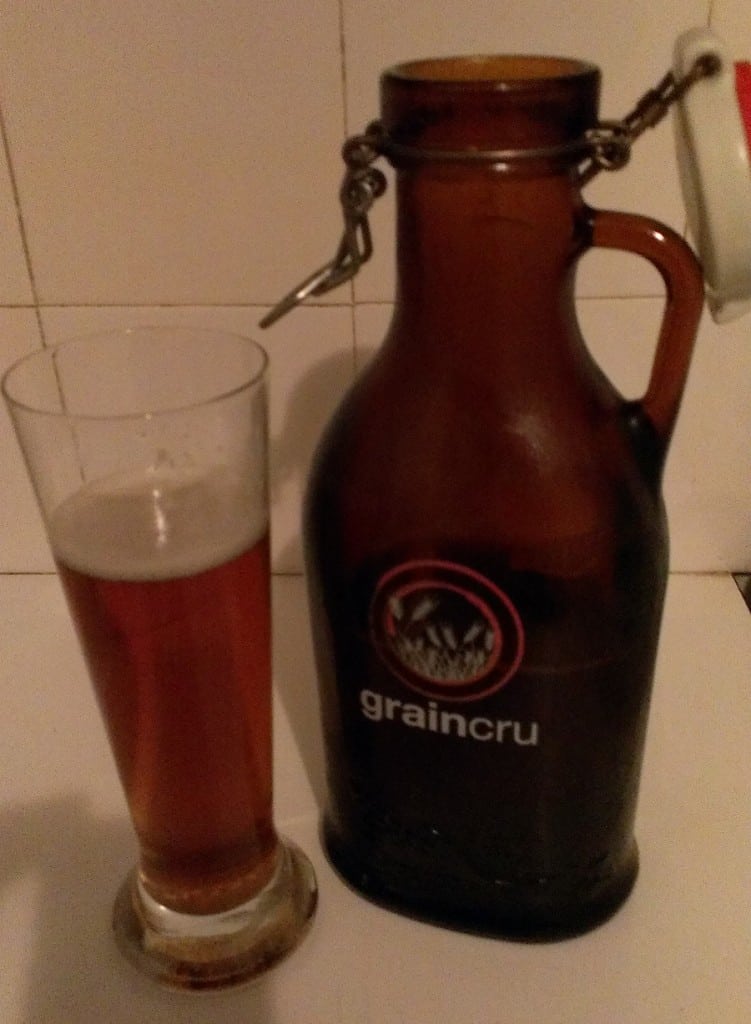
It turns out that there’s a beer shop in Perth that sells draught beer in returnable containers. They have up to 8 beers on tap (the selection changes), and they have 1litre or 2litre glass refillable containers. You pay a deposit for the container, buy the beer per litre, and once it’s finished you can return the bottle and buy a refill.

The machine uses carbon dioxide so the sealed bottles last a couple of months. Once open, they need drinking within 24 hours. My boyfriend assures me that won’t be a problem!

Beer Fridge Side
Beer Guy
waste free beer poured

We’ve bought two 1 litre containers. The shop is quite close to where my boyfriend’s parents live, so we’re confident we should be able to get there reasonably often. Unfortunately in the excitement my boyfriend managed to finish off the beer before Zero Waste Week actually began, but it was the challenge that forced us to go and check the place out, so it still deserves a mention!

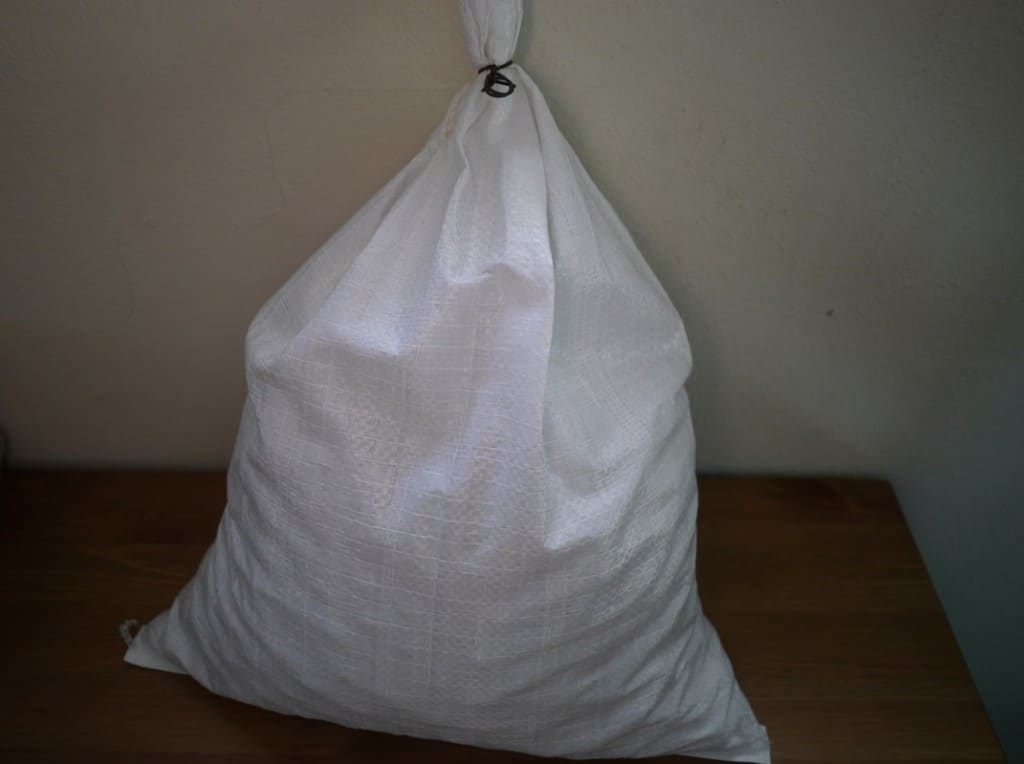
My boyfriend headed to our local farmers market at the weekend for eggs (we shop here as the seller takes back the empty boxes for re-using) and this mystery Christmassy-looking sack:Bulk macadamias returnable sack

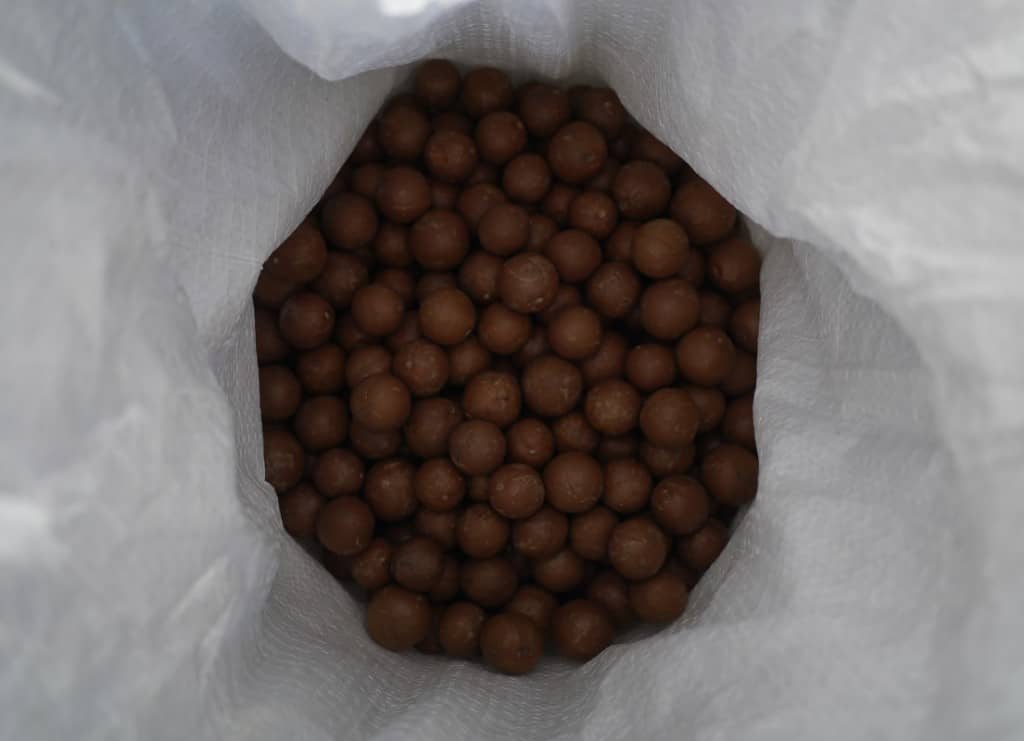
Intrigued? Can you guess what’s inside?
Bulk macadamias

No, not Maltesers. Macadamia nuts!

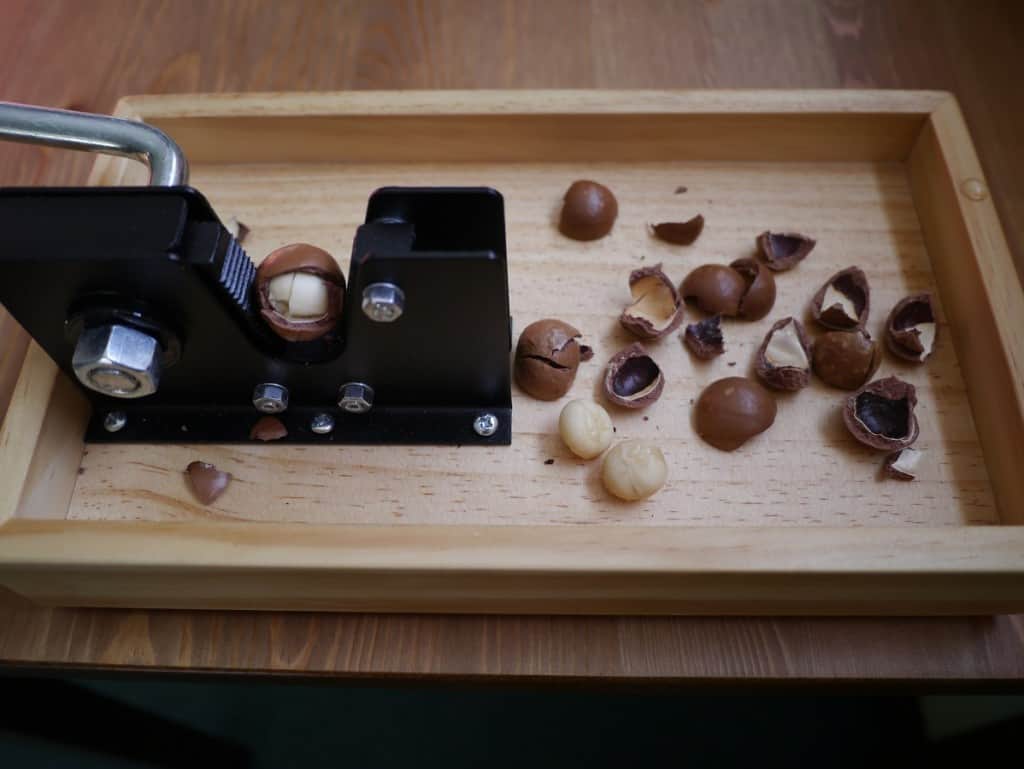
We bought a macadamia nut cracker a while back (they need a heavier duty nut cracker than other nuts) so that we could crack our own nuts. These shelled macadamia nuts are $5.50/kg and locally grown. There’s nothing better than buying local. I chatted to the guy and he said he can take the sack back for reusing.

nutcracker

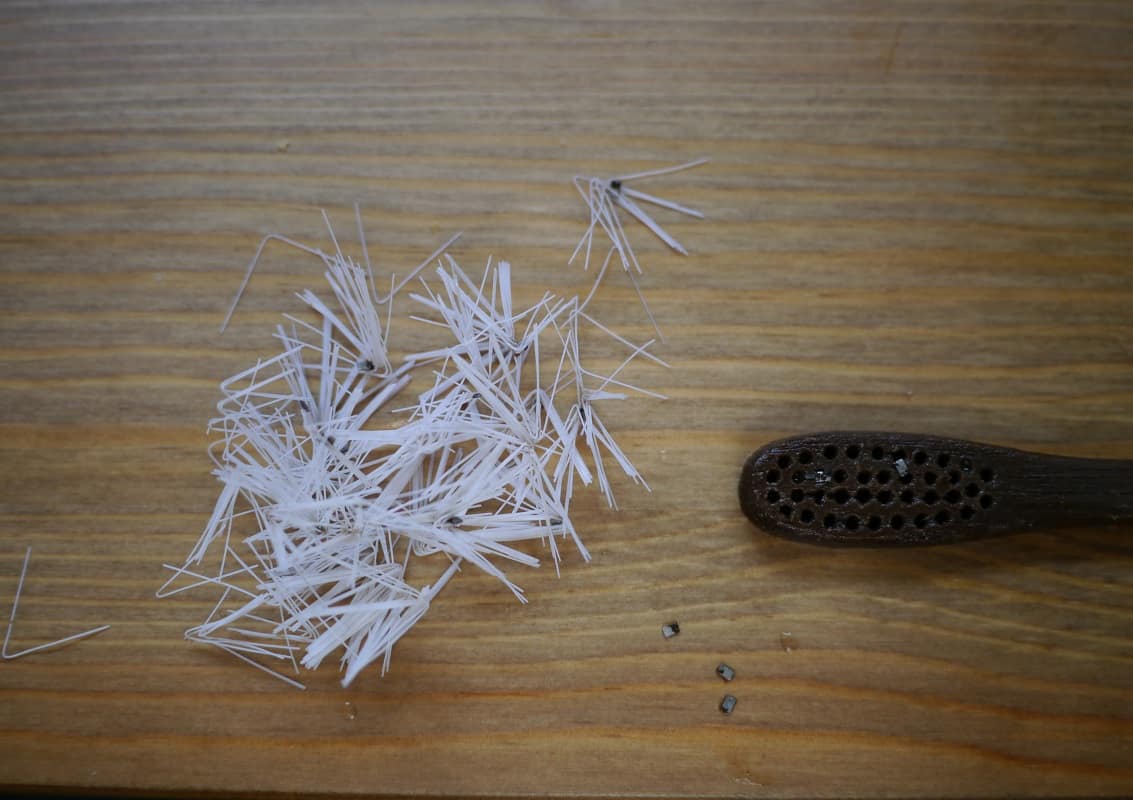
My toothbrush-soaking experiment was a success. After soaking for 12 hours, i was able to pull all off the bristles out. Interestingly, I discovered each bristle clump is held in place by a tiny piece of metal. As I lack a compost bin, the bamboo handle is heading for the worm farm. I’m pretty sure they aren’t going to eat it, but if I leave it long enough it might decompose. Seems silly to buy bamboo toothbrushes and send them to landfill.

Bamboo toothbrush parts

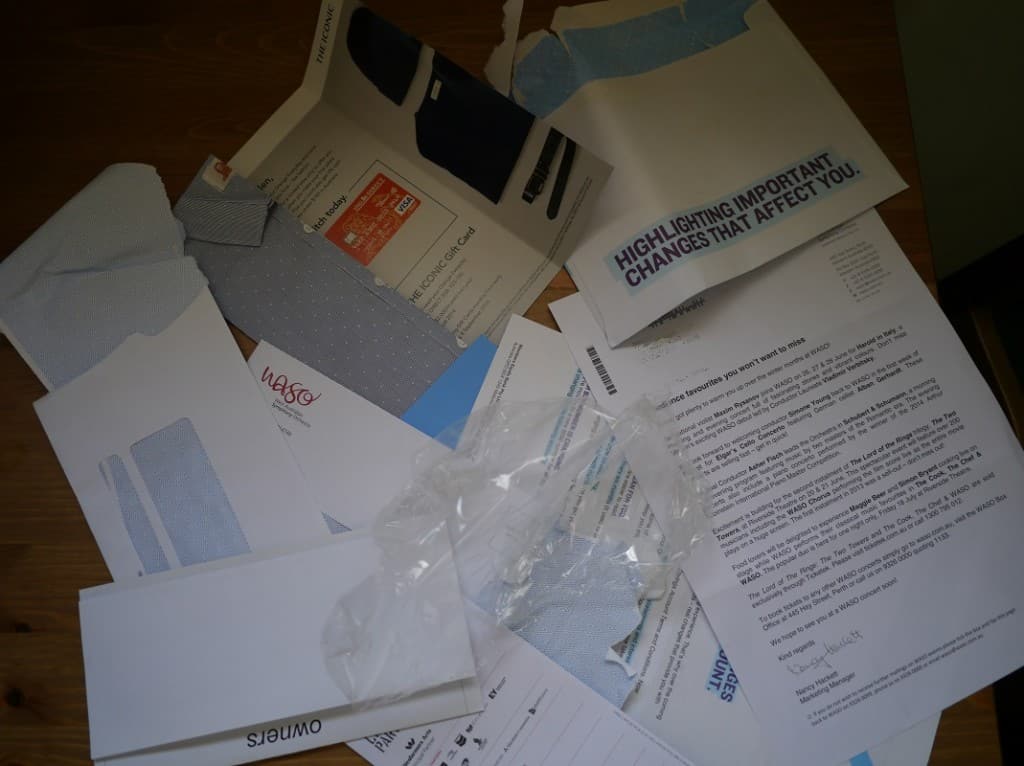
That was the good news; here’s the bit about the waste we generated. Trying to commit to zero waste is hard work – even if I have the best of intentions, the world around me hasn’t quite got the message. Particularly the postman. Not that it’s his fault, of course, but on Friday a whole heap of letters arrived in the mail. More envelope windows and unnecessary paper. Plus one item was wrapped in plastic!

ZeroWasteWeek post

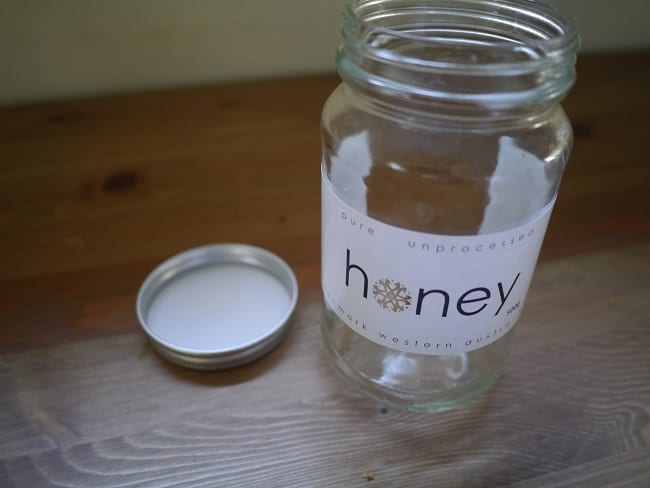
I finished off our honey, which left me with an empty jar. I buy things in jars very rarely, and probably generate less than one jar a month. But this jar was emptied this week, so I thought I’d mention it, even though it’s not technically waste as I save the jars for reusing.

Zeo Waste Week empty Jar

The Zero Waste Week Bin Audit

In one week, here’s what we generated:

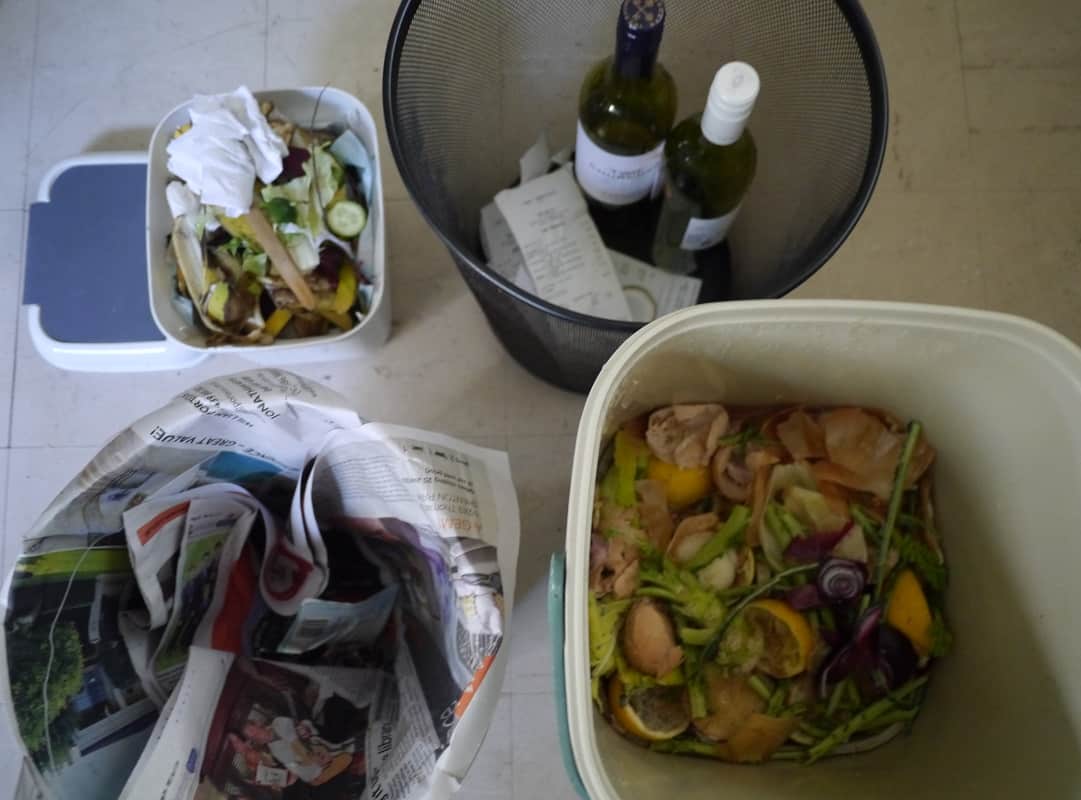
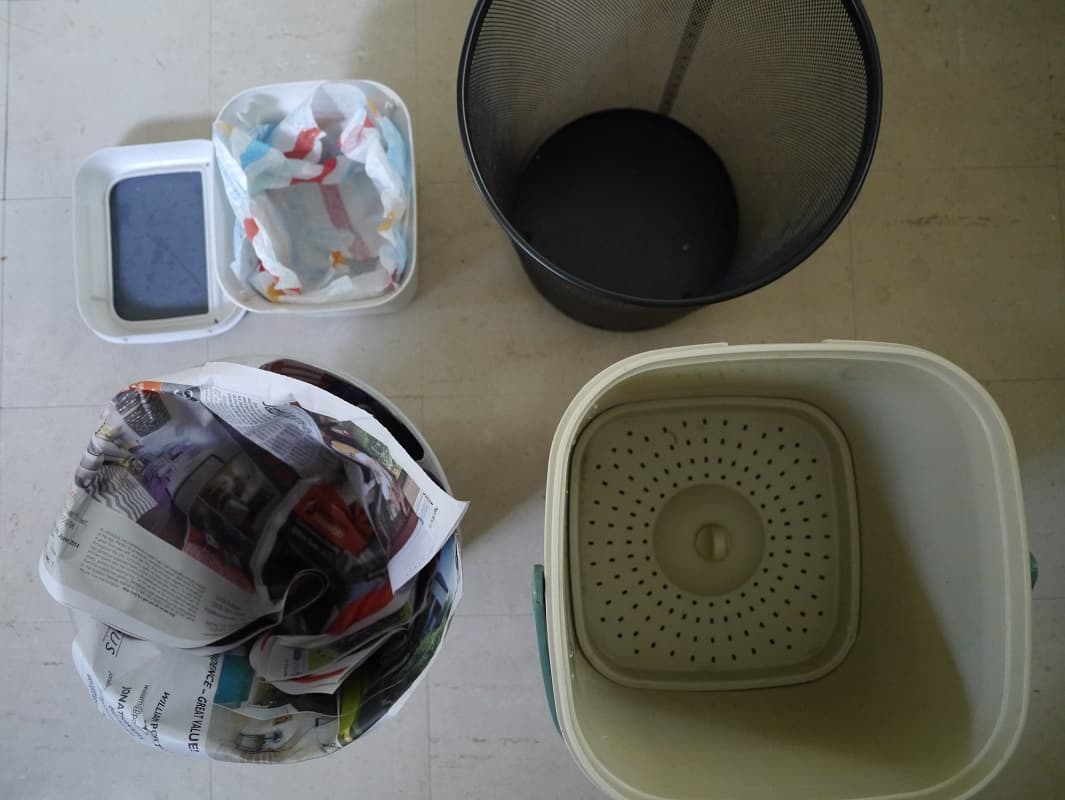
The worm farm caddy: this took all the kitchen scraps excluding onion and citrus peel, eggshells and any bulky.food waste. I also put scrap paper like envelopes, toilet roll tubes, cotton buds, hair and floor sweepings. In one week this container was completely filled. I’m not sure the worm farm could cope with that much organic matter every week, however.

The bokashi bin: this took the citrus peel, onion skins, eggshells and bulky food waste that didn’t fit in the worm farm caddy. There’s still plenty of room left so I think I’ll be able to keep using this for several weeks before it’s at capacity.

The recycling bin: in addition to the wine bottle from Wednesday, we gained another wine bottle at the weekend. There is also a handful of receipts, some glossy paper from the post extravaganza that I didn’t want to put in the worm farm, and a milk bottle top.

The rubbish bin: we reduced this to a handful of plastic toothbrush bristles and the plastic milk bottle label. I’m not sure whether this would be recyclable, so it went in the bin.

I thought it might be interesting to break down what plastic we consumed this week:

The plastic tally:

1 x milk bottle top (metal lid but plastic lined)
1 x milk bottle label
Toothbrush bristles
One plastic wrapper covering an item we received in the post (it was promotional material, but was addressed to us).

Zero Waste Week Milk
Bamboo toothbrush unassembled
ZeroWasteWeek plastic

The milk bottle lid goes for recycling, as does the plastic bag (our local supermarket has a bin for plastic bags and food packaging, so what little we get we save up and take there).

In fact, this is our third collection of plastic since the start of January this year:

plastic waste

Zero Waste Week: What I Learned

This challenge wasn’t easy, and it took a lot of extra effort to reduce our waste to this level. It isn’t something we could currently keep up longer than a week or so either. We deliberately didn’t buy things that we knew would generate extra waste – fine for a week but not practical long-term.

So what were the big lessons?

  • We use too much paper. We get too many receipts, we receive too much in the mail, and it just seems to miraculously appear. Paper also makes the flat look messy, so if we can reduce our paper use, we can have a tidier flat. Definitely something to work on!
  • I’m not going back to sending food scraps to landfill. I’m going to investigate whether I can use the local school compost bin, or figure out a system for making the bokashi bin a permanent fixture. I just can’t send all that potential compost to landfill!
  • There’s nothing like a challenge to force you to do all those things you’ve been meaning to do but never quite get round to!

Now I want to hear from you! How do you think I did? Did you try a Zero Waste Week too, or are you tempted to give it a go? Do you have any other tips or ideas to keep waste down? Leave your thoughts in the comments!

[leadpages_leadbox leadbox_id=1429a0746639c5] [/leadpages_leadbox]

https://treadingmyownpath.com/wp-content/uploads/2014/06/Zero-Waste-Week-Bins-Final.jpg 800 1081 Lindsay (Treading My Own Path) https://treadingmyownpath.com/wp-content/uploads/2019/06/logo.png Lindsay (Treading My Own Path)2014-06-17 09:41:292017-03-11 16:34:49Zero Waste Week: the Finale

Zero Waste Week…the Halfway Point

18 Comments/in Living With Less Waste, Plastic Free Living, Zero Waste/by Lindsay (Treading My Own Path)

I’m halfway through my Zero Waste Week challenge, and things have been going pretty waste-free, although I must confess – some waste has managed to sneak in!

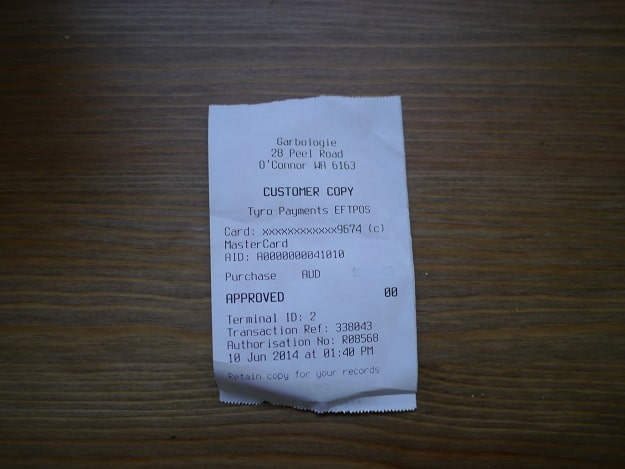
Things went well on Tuesday. I received my second thermal paper BPA-lined eftpos receipt (to tell if a receipt is printed on thermal paper, you can rub a coin or your fingernail on the paper – if it darkens then it is thermal paper). Much smaller than the Post Office one, but still waste.

receipt 2

No more waste came until Tuesday night, when one of our bamboo toothbrushes died. The thing with bamboo toothbrushes is that they decide when they’re fit for the bin, by releasing all of their bristles into your mouth. Yuck. Loose bristles are not pleasant. Once the bristles start falling out there’s no way I’m going to continue using it. Seriously, it’s that bad. Usually the toothbrush would end up in the bin – ironic as it’s meant to be environmentally friendly. Thing is, I can’t compost it because of the plastic bristles. What I could do is chop the head off and try to compost the handle. Alternatively, I’m trying to soak the brush to see if I can loosen the rest of the bristles, so I can separate them and save on waste.

The old toothbrush on the left, and a new one

The old toothbrush on the left, and a new one

Soaking to see if I can loosen the bristles and compost the wooden part.

Soaking to see if I can loosen the bristles and compost the wooden part.

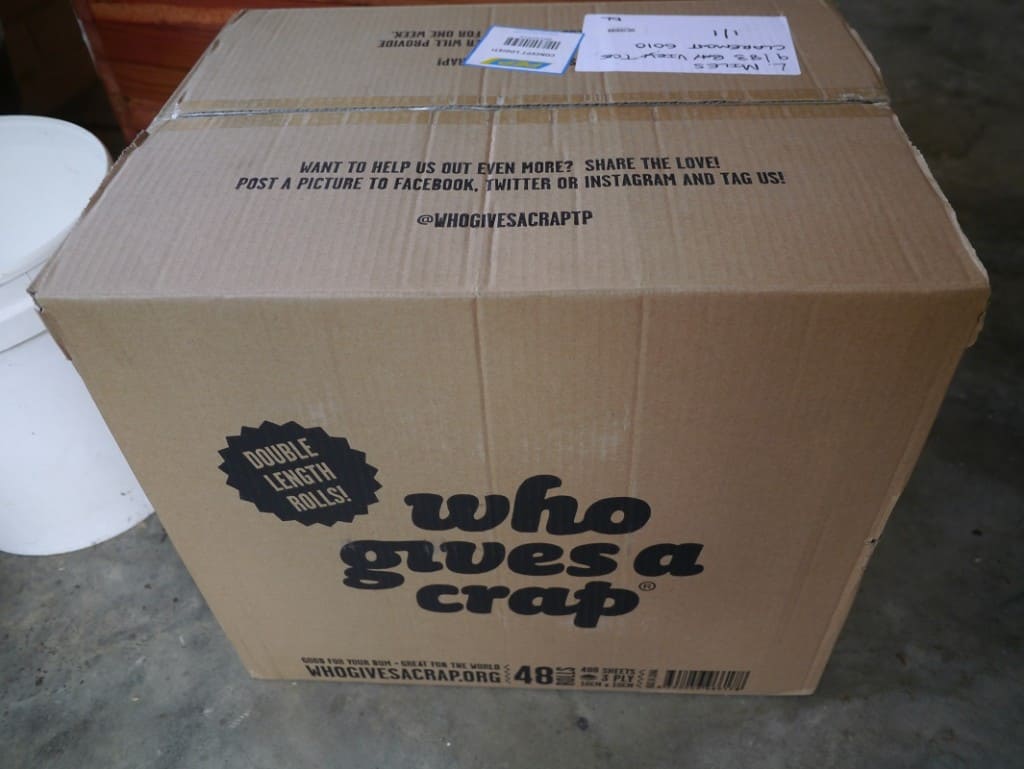
Wednesday came, and we received our toilet roll order – all 48 rolls of it! The box will get reused, and the paper and rolls get added to the wormfarm.Toilet RollI should probably add that my zero waste week does not extend to toilet paper. I’m still using regular toilet paper in all its single-use disposable glory! Even if it isn’t being sent to landfill, technically it’s waste as it’s going into the toilet, but reusable cloths are not happening in this house any time soon. Even if I was up for it (and I’m not), there is no way I’d convince my boyfriend!

I wonder if I had a compost bin whether I could/would compost my toilet paper?

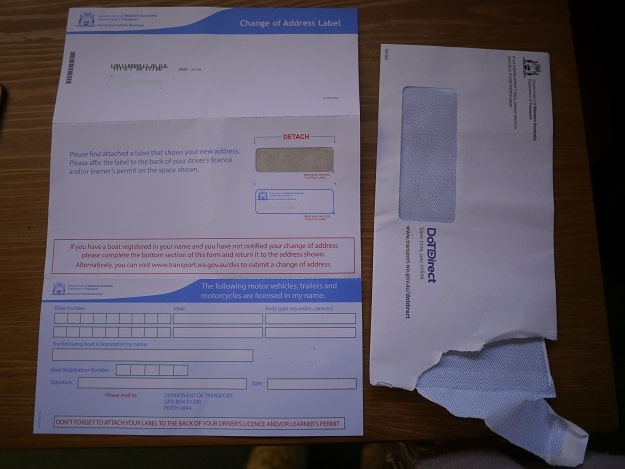
We also received our first mail of the week – a letter with a label for changing the address on my boyfriend’s drivers license. In the past I’d recycle it, but now I’m going to feed it to the worms. What I’m wondering is what should happen to the cellophane window on the envelope?

post

There seems to be some debate about whether the windows break down in a worm farm. According to this discussion, some do, and some don’t. In the interest of Zero Waste Week I’m going to give it a go.

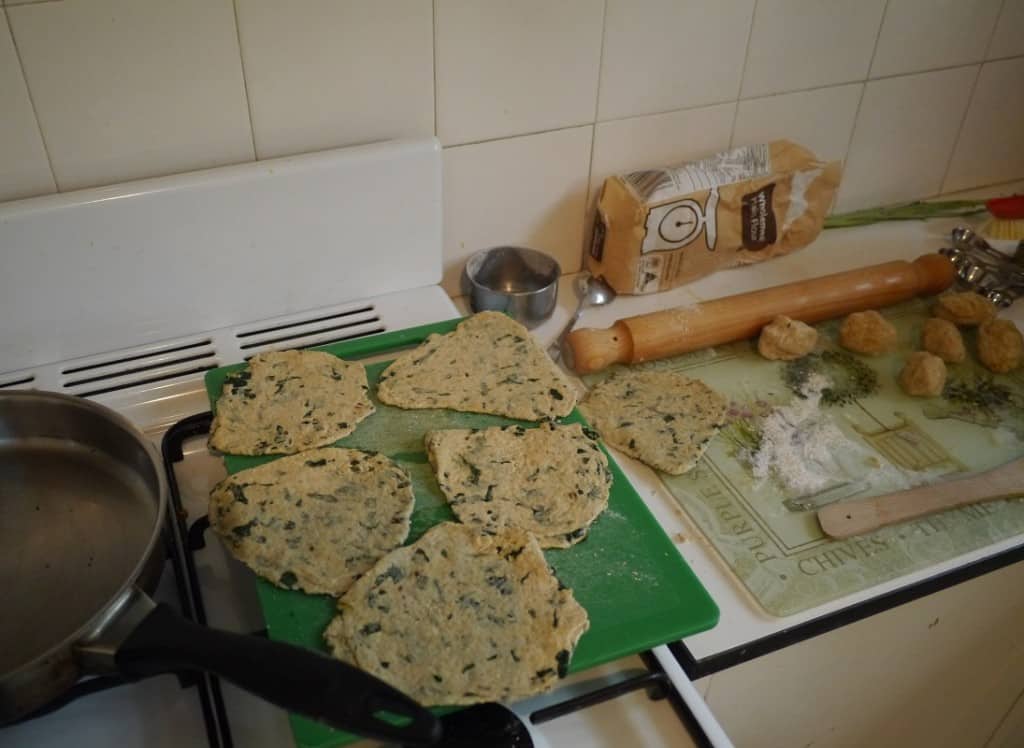
We invited our neighbour over for dinner on Wednesday, and of course I cooked. I made everything from scratch: dahl, aloo gobi, coconut rice (I’m stlll trying to perfect a DIY coconut milk recipe) and parathas. As I’ve said many times, I buy everything in bulk, but for some reason we had a bag of wholemeal flour, and I finished it off.

parathas
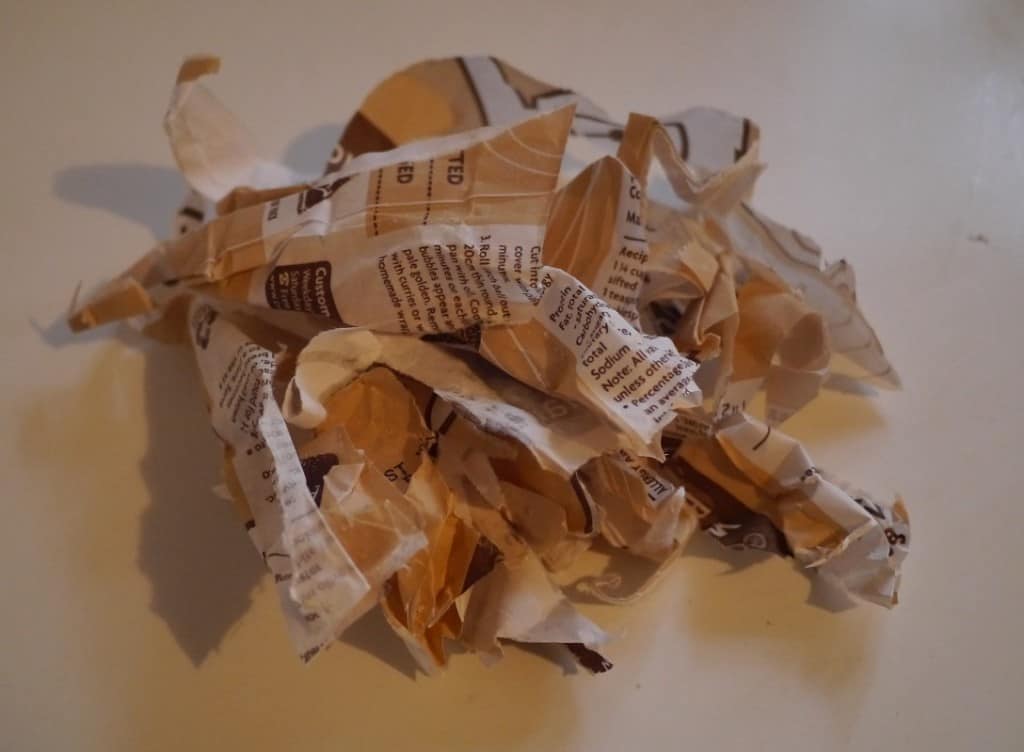
empty flour bag

(I must have had it for a while, because I notice it was technically out-of-date: ah well!) So what did I do with it? Shredded it up into strips, to make wormfarm bedding! These guys have to have somewhere to rest in between all this extra eating I’m making them do!

worm bedding

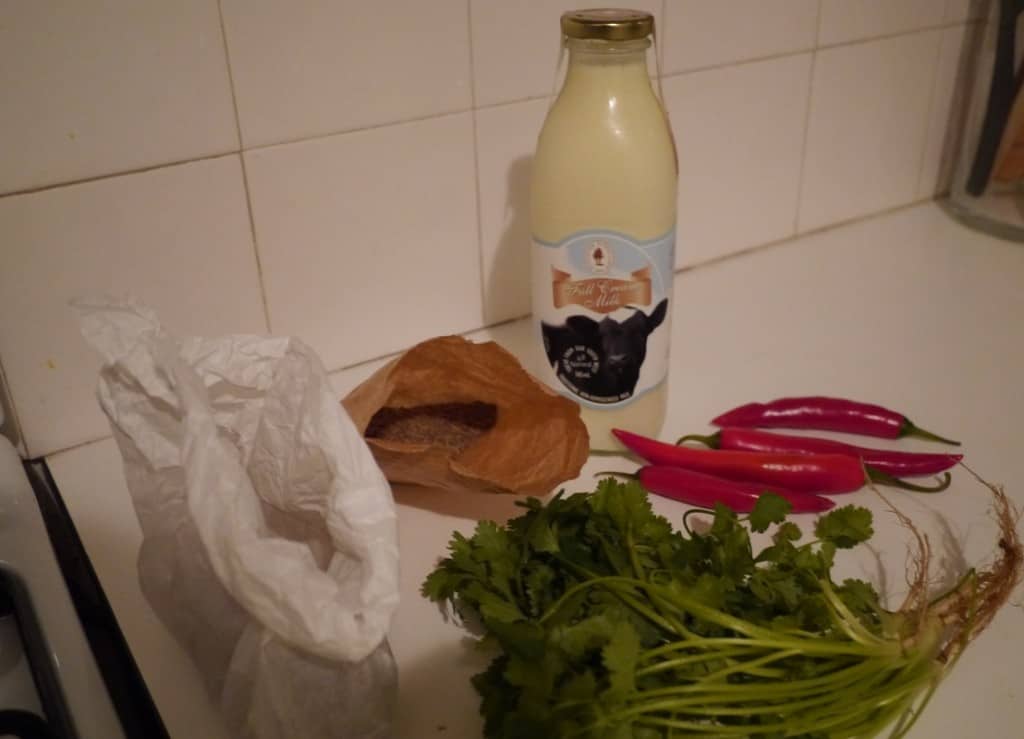
Whilst cooking, I had to send my boyfriend out for last minute ingredients. As well as the things I requested (he took some old bags to use) he also bought some milk, and some completely illegal and unrequested chocolate licorice managed to sneak its way in. Not waste, but definitely a waste of money! That white bag cost almost $4!

Wed Shopping

We try to buy our milk from Sunnydale, a local dairy that accept the glass bottles back for refilling. Sadly, they can’t take the lids back. Our local store used to stock this but has recently stopped. They sell a different brand of milk in glass which doesn’t operate a bottle-return policy. If it’s an emergency, we buy this one. Well, my boyfriend does. I make my own nut milk which is always plastic and waste-free!

Luckily, Sunnydale use the same glass bottles as the other dairy, so we sneakily take them back to Sunnydale for reusing. Unfortunately this other brand uses a nasty plastic sticker which we have to peel off in order to take the bottle back (Sunnydale request you keep their labels on). So once the milk is finished, we will be left with a plastic sticker and a metal lid.

I did think about asking our neighbour not to bring anything (because I was worried about the waste!) but in the end I decided not to…and he came to the door with a bottle of red wine! We rarely drink wine at home these days (Glen drinks the occasional beer and I have a really exciting waste-free beer story to share in my next post!) but it is nice to share a bottle with friends. Much better than bringing a box of individually wrapped additive-filled confectionery!

Friend for Dinner

I could have demanded he take the bottle home with him to help make my Zero Waste Challenge look more successful (I bet he would have thought that was weird – as neighbours we share the same bin system!) but I decided that would be cheating. So the wine bottle and lid is our first big waste item.

As the week rolls to an end we have another challenge coming up – we have a friend coming to stay on Friday for a few weeks. (We’ve got a spare room now so we might as well make the most of it!) Not that the friend will be challenging – the challenge will be sticking to the Zero Waste Week rule with an extra (jetlagged) person in the house!

But you know me, I like a challenge, and I’m feeling confident! Looking forward to the end of the week!

[leadpages_leadbox leadbox_id=1429a0746639c5] [/leadpages_leadbox]
https://treadingmyownpath.com/wp-content/uploads/2014/06/The-Clean-Bin-Project.jpg 800 1065 Lindsay (Treading My Own Path) https://treadingmyownpath.com/wp-content/uploads/2019/06/logo.png Lindsay (Treading My Own Path)2014-06-12 12:39:342017-09-01 15:48:55Zero Waste Week…the Halfway Point
Page 7 of 12«‹56789›»

Pages

  • 9-tips
  • Birthday book reviews
  • Books
  • Cheatsheets and checklists
  • Every Blog Post I’ve Ever Written
  • Food Waste Challenge
  • Hoarder Minimalist Progress Tracker
  • Instagram
  • Join the mailing list
  • One More Step…
  • Real Food and Recipes
  • Thank you – 3 day food waste challenge
  • Thanks for joining!
  • The Less Waste No Fuss Kitchen Bonus Vault
  • Treading My Own Path Gift Voucher
  • Zero Waste + Plastic Free Living in Perth, Western Australia
  • Home
  • Quotes and facts
  • Resources
  • About
  • Infographics
  • Work with me
  • Minimalism / Simple Living
  • Plastic-free living
  • Upcoming events
  • Zero Waste
  • Explore
  • Blog
  • Less Stuff Book
  • The Less Waste No Fuss Kitchen
  • Thank You
  • Disclaimer & Copyright
  • Privacy Policy

Categories

  • About Me
  • Changemaking
  • Chemical-Free Living
  • Climate action
  • Community
  • Decluttering
  • DIY Skincare
  • Energy
  • environmental guilt
  • Ethical Living
  • Garden
  • growing food
  • Health & Wellness
  • How to…
  • Less Stuff
  • Living With Less Waste
  • Minimalism
  • Money-Saving
  • Musings
  • Out & About
  • Permaculture Gardening
  • Plastic Free July
  • Plastic Free Living
  • Real Food
  • Recipes
  • Simple Living
  • Sustainable Food
  • Thrift
  • Transport
  • Uncategorized
  • urban permaculture
  • Water
  • Zero Waste

Archive

  • November 2022
  • July 2022
  • April 2022
  • March 2022
  • February 2022
  • March 2021
  • February 2021
  • January 2021
  • December 2020
  • November 2020
  • October 2020
  • September 2020
  • August 2020
  • July 2020
  • June 2020
  • May 2020
  • April 2020
  • March 2020
  • February 2020
  • January 2020
  • December 2019
  • November 2019
  • October 2019
  • September 2019
  • August 2019
  • July 2019
  • June 2019
  • May 2019
  • April 2019
  • March 2019
  • February 2019
  • January 2019
  • December 2018
  • November 2018
  • October 2018
  • September 2018
  • August 2018
  • July 2018
  • June 2018
  • April 2018
  • March 2018
  • February 2018
  • January 2018
  • December 2017
  • November 2017
  • October 2017
  • September 2017
  • August 2017
  • July 2017
  • June 2017
  • May 2017
  • April 2017
  • March 2017
  • February 2017
  • January 2017
  • December 2016
  • November 2016
  • October 2016
  • September 2016
  • August 2016
  • July 2016
  • June 2016
  • May 2016
  • April 2016
  • March 2016
  • February 2016
  • January 2016
  • December 2015
  • November 2015
  • October 2015
  • September 2015
  • August 2015
  • July 2015
  • June 2015
  • May 2015
  • April 2015
  • March 2015
  • February 2015
  • January 2015
  • December 2014
  • October 2014
  • September 2014
  • August 2014
  • July 2014
  • June 2014
  • May 2014
  • April 2014
  • March 2014
  • February 2014
  • January 2014
  • December 2013
  • November 2013
  • October 2013
  • September 2013
  • August 2013
  • July 2013
  • June 2013
  • May 2013
  • April 2013
  • March 2013

Treading My Own Path

Privacy / Disclaimer

Sign up to the newsletter

Website by Órla Larkin

Lindsay Miles is an educator, speaker, author and passionate zero waste/plastic-free living advocate helping others live more meaningful lives with less waste and less stuff. She has been sharing ideas, tips, tricks and strategies on her website Treading My Own Path since 2013. Her first book, Less Stuff, was published in 2019 and her second, The Less Waste No Fuss Kitchen was published in June 2020. Originally from the UK, Lindsay now lives in Perth, Western Australia.

Lindsay Miles
© 2024 Lindsay Miles | ABN 84 679 541 090
  • Link to X
  • Link to Youtube
  • Link to Instagram
  • Link to Mail
  • Link to Facebook
Scroll to top Scroll to top Scroll to top

This site uses cookies. Cookies enable me to personalise your experience on this site so I can improve my content and communications.

I'm okay with that

Cookie and Privacy Settings


How we use cookies

We may request cookies to be set on your device. We use cookies to let us know when you visit our websites, how you interact with us, to enrich your user experience, and to customize your relationship with our website.

Click on the different category headings to find out more. You can also change some of your preferences. Note that blocking some types of cookies may impact your experience on our websites and the services we are able to offer.

Essential Website Cookies

These cookies are strictly necessary to provide you with services available through our website and to use some of its features.

Because these cookies are strictly necessary to deliver the website, refusing them will have impact how our site functions. You always can block or delete cookies by changing your browser settings and force blocking all cookies on this website. But this will always prompt you to accept/refuse cookies when revisiting our site.

We fully respect if you want to refuse cookies but to avoid asking you again and again kindly allow us to store a cookie for that. You are free to opt out any time or opt in for other cookies to get a better experience. If you refuse cookies we will remove all set cookies in our domain.

We provide you with a list of stored cookies on your computer in our domain so you can check what we stored. Due to security reasons we are not able to show or modify cookies from other domains. You can check these in your browser security settings.

Other external services

We also use different external services like Google Webfonts, Google Maps, and external Video providers. Since these providers may collect personal data like your IP address we allow you to block them here. Please be aware that this might heavily reduce the functionality and appearance of our site. Changes will take effect once you reload the page.

Google Webfont Settings:

Google Map Settings:

Google reCaptcha Settings:

Vimeo and Youtube video embeds:

Privacy Policy

You can read about our cookies and privacy settings in detail on our Privacy Policy Page.

Privacy Policy
Enough is Enough Free ebook for Subscribers front cover

Join our community and you’ll receive free new content every week and a downloadable eBook “Enough is Enough” to help you take the next steps!

Enough is Enough eBook

Please send me the eBook!

Send my eBook link to:

By downloading the eBook you agree to my Privacy Policy.

I hate spam as much as you do, and I promise to keep your email address safe. I will not share or sell your personal information, ever. You can unsubscribe at any time.

This form collects information I will use to send out the free eBook, new content once a week and an occasional newsletter (with other stuff I think you’ll find useful such as events).

Loading Comments...